
 AI Overview
 🪴 In This Guide 🪴

💡 1. Adjust the Light
Light is the number one challenge in winter. Even a bright room in summer can feel gloomy now. Move plants closer to south or west-facing windows, clean both the glass and their leaves, and rotate them weekly for even growth.
If the sun barely reaches your space, consider a full-spectrum grow light for 10–12 hours a day.

💧 2. Rethink Watering
In winter, most plants need far less water. Cooler air slows evaporation, and roots take up less moisture.
Always check the top inch of soil before watering-if it’s damp, wait. Overwatering is the biggest cause of winter stress.
Let your watering schedule become flexible rather than fixed.

💨 3. Boost Humidity
Heating systems dry the air quickly, and tropical plants feel it first. Brown tips, curling leaves, or crispy edges are your warning signs.
Group plants together, add a humidifier, or set up pebble trays to raise moisture in the air.
Avoid misting too often-it raises humidity for just a few minutes and can encourage fungus.

🌡️ 4. Keep Temperatures Stable
Most houseplants are happiest between 60–75°F (16–24°C).
Cold drafts and hot vents are equally stressful. Move plants a few inches away from windows at night, and keep them at least two feet from heaters or radiators.
Consistency matters more than perfection-try to avoid big swings from cold mornings to overheated afternoons.

🥄 5. Hold Back on Fertilizer
Most plants are resting right now. Feeding them when they’re not actively growing can cause salt buildup and root burn.
If your plants are under grow lights and still pushing new leaves, feed them lightly once a month at half strength.
For everyone else, skip fertilizing until late February or March.

🐜 6. Watch for Pests
Dry air and warm rooms are paradise for spider mites and fungus gnats.
Look for tiny webs on leaves or small black flies near the soil.
Keep leaves clean, let soil dry between waterings, and use sticky traps or neem spray if needed.

👉 Check: Spider Mites, Fungus Gnats
⚠️ 7. Common Winter Issues
If leaves yellow, drop, or crisp up, don’t rush to repot or fertilize-it’s usually an environmental issue.
Stabilize light, temperature, and watering first.

👉 Check: Yellowing Leaves, Leaf Drop
✅ Quick Winter Houseplant Checklist
- Move plants closer to light (south or west-facing windows).
- Water only when the top inch of soil is dry.
- Raise humidity with a humidifier or grouped plants.
- Keep temperature between 60–75°F (16–24°C).
- Stop fertilizing until spring growth returns.
- Watch for pests like spider mites and fungus gnats.
- Wipe dust from leaves every few weeks to help photosynthesis.
- Avoid sudden changes in light or location.

Simple consistency makes all the difference.
🪴 See also 🪴
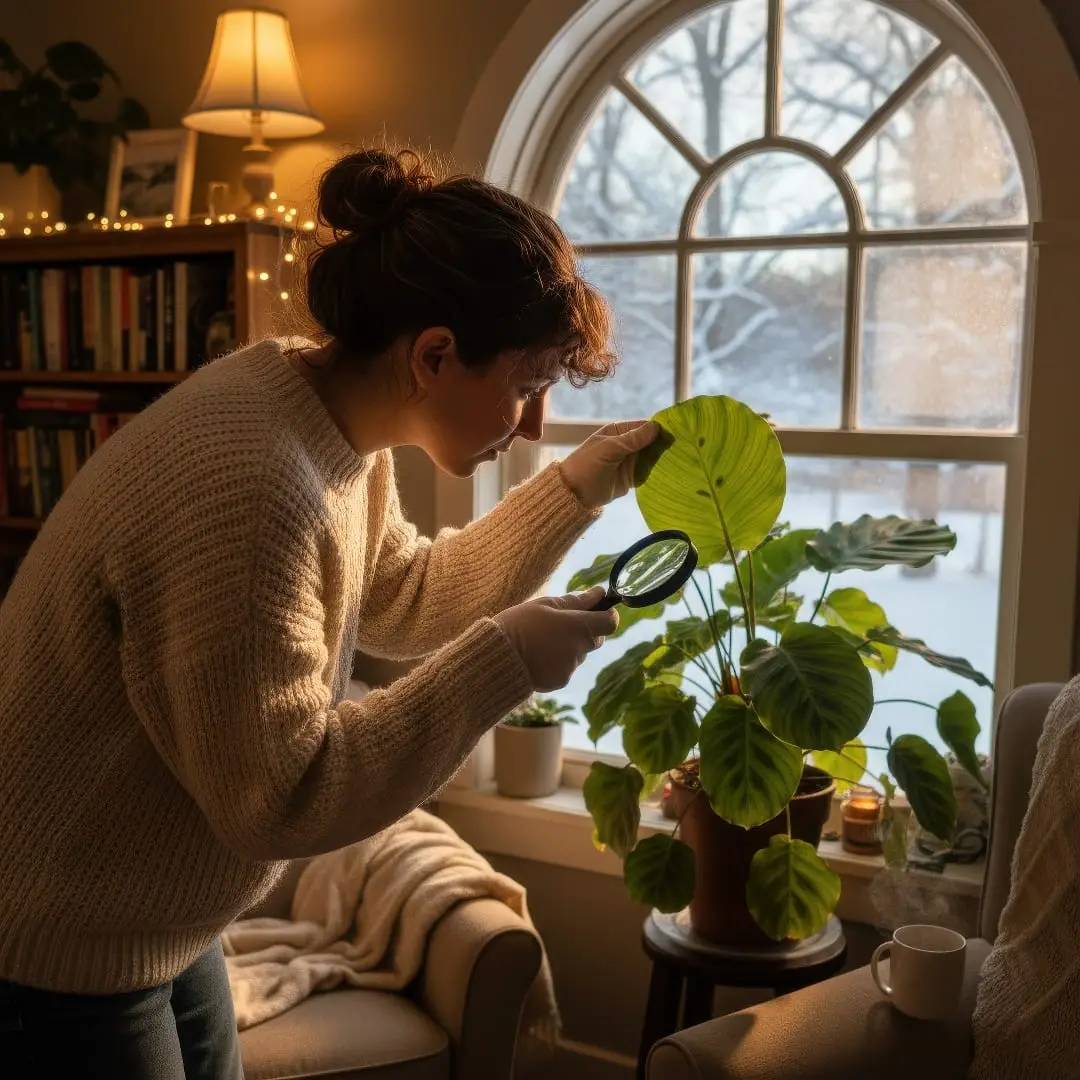
Pest Prevention in Winter: Spider Mites and Fungus Gnats
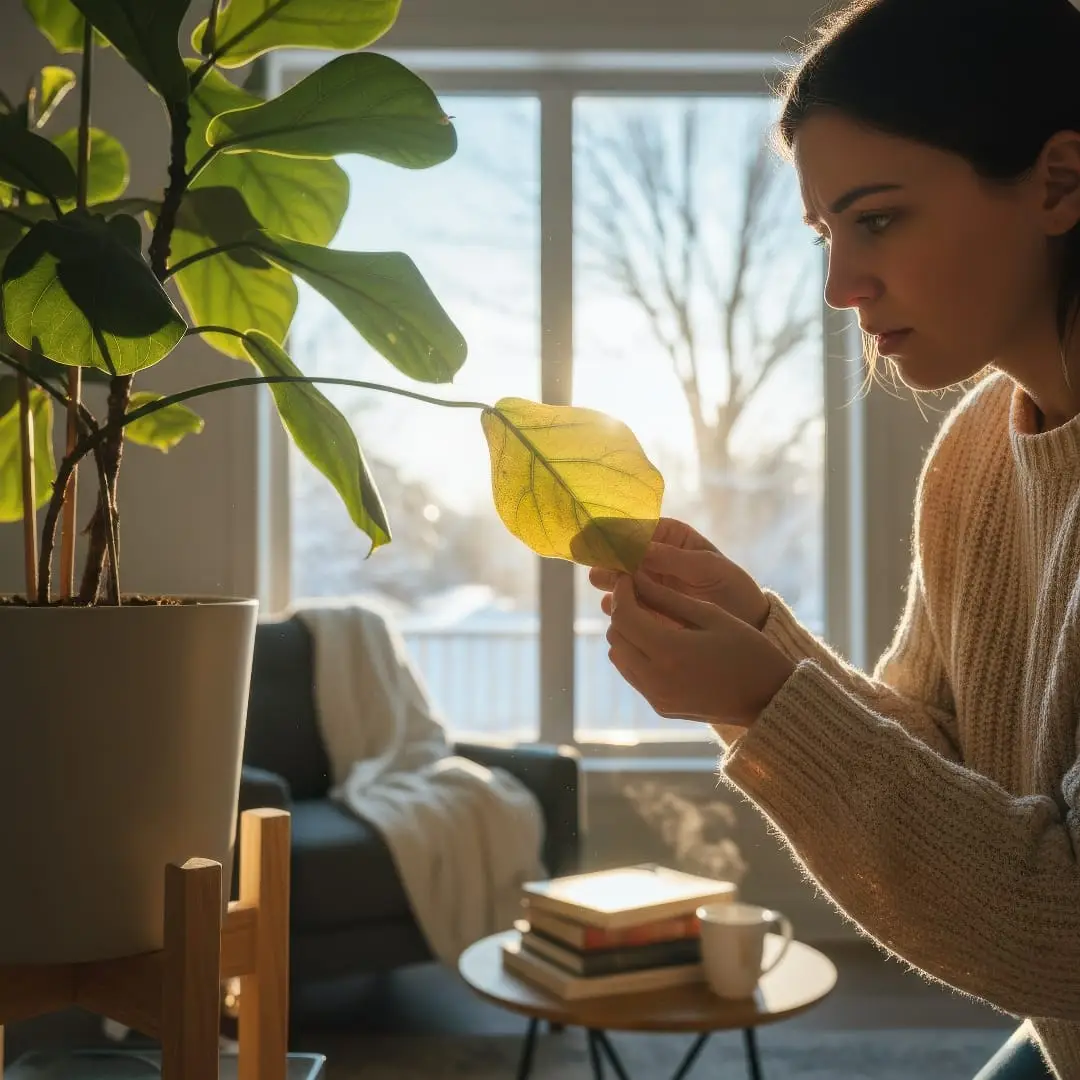
Common Winter Plant Problems (and How to Fix Them)
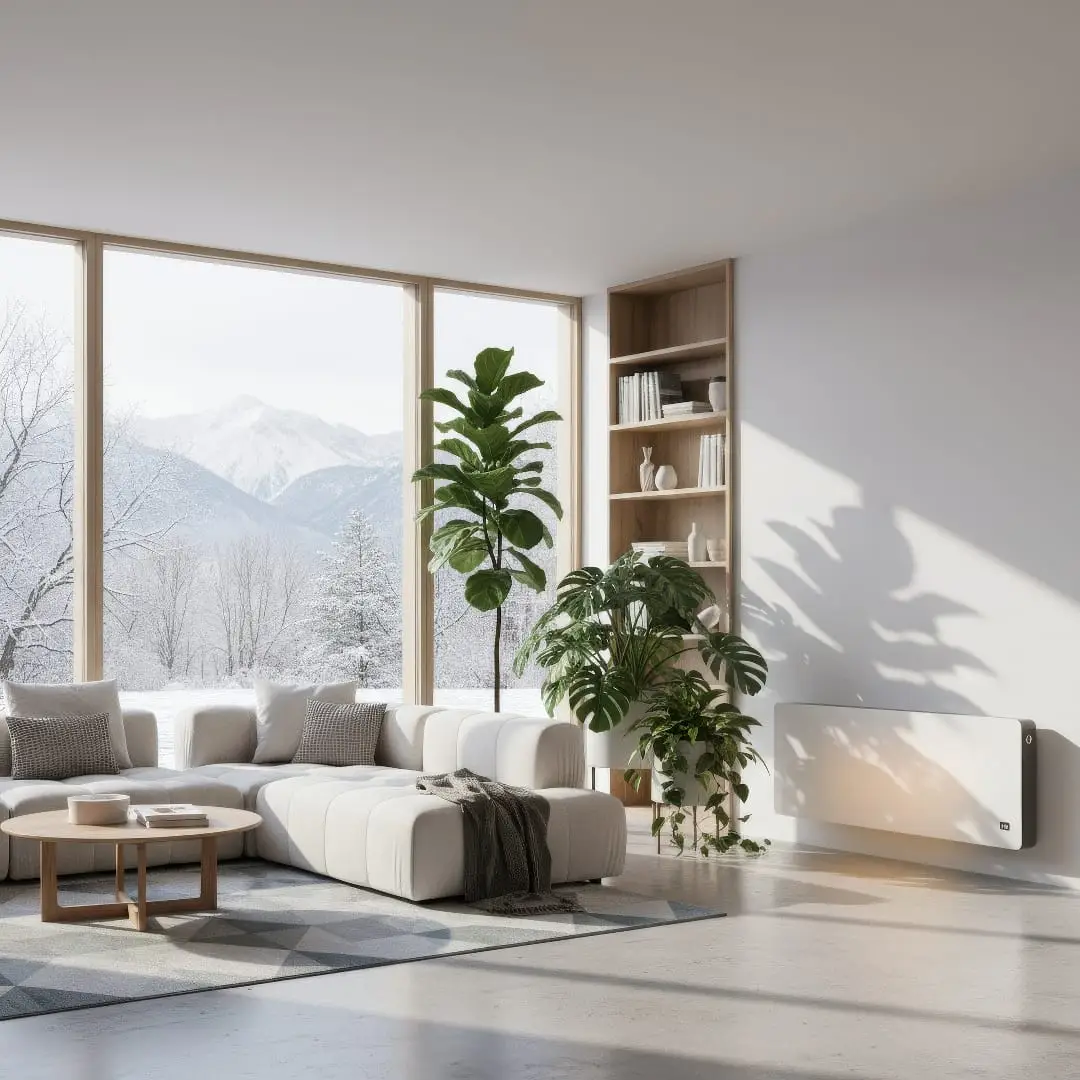
Keeping Plants Warm Without Overheating
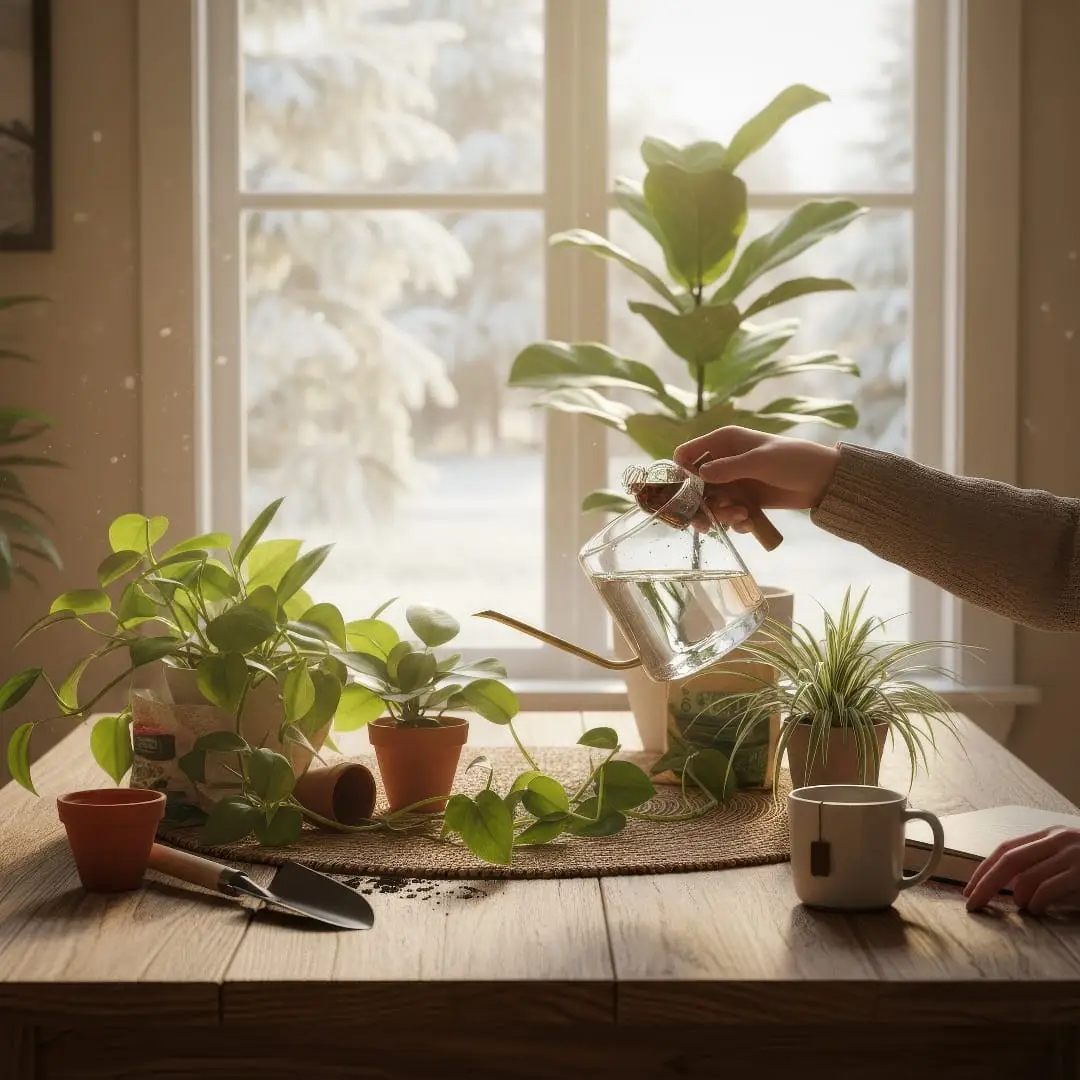
Winter Fertilizing Rules: When to Stop and When to Continue

Providing Enough Light During Short Winter Days

Boosting Humidity for Indoor Plants in Winter
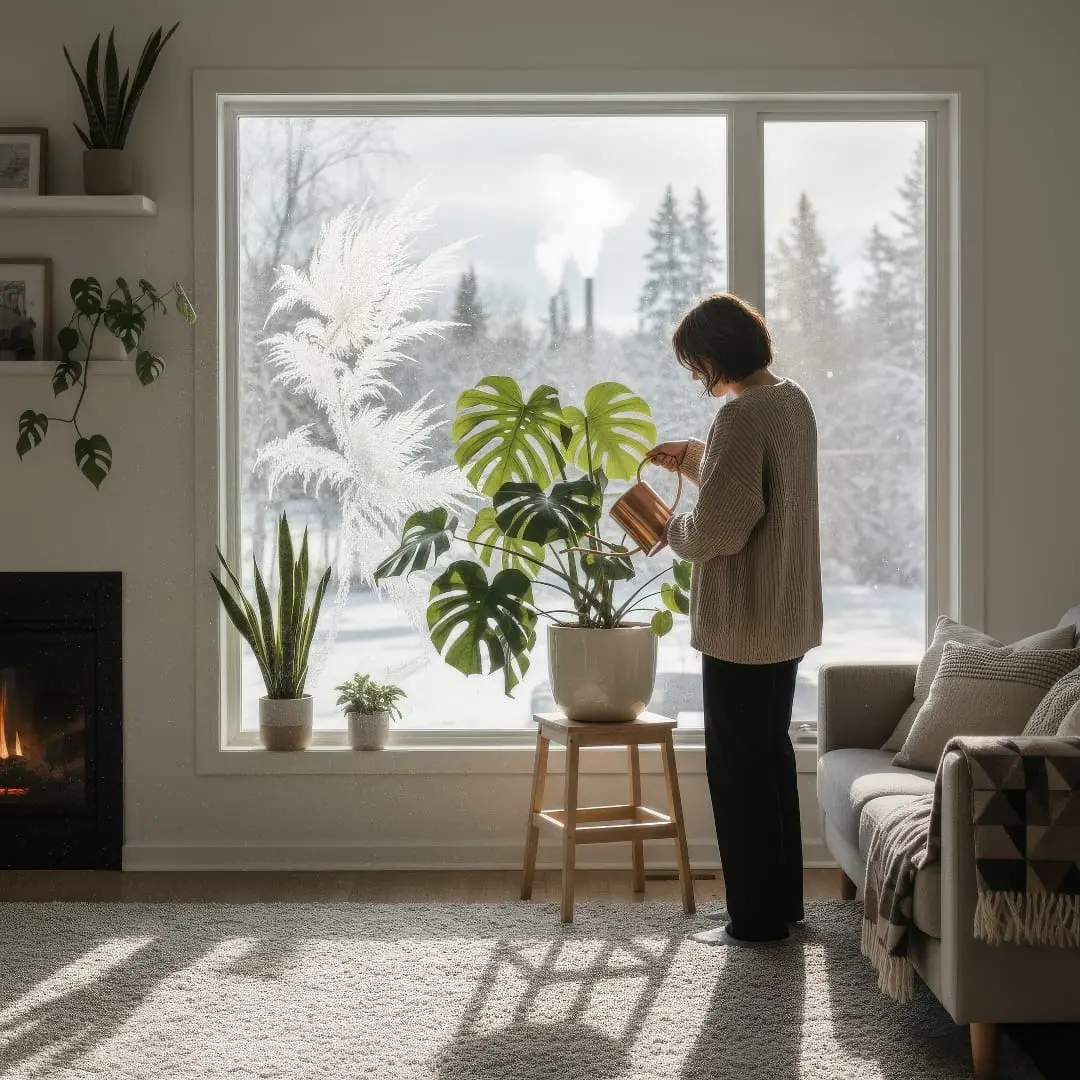
How to Water Houseplants in Winter

9 Best Houseplants to Create Cozy Autumn Vibes
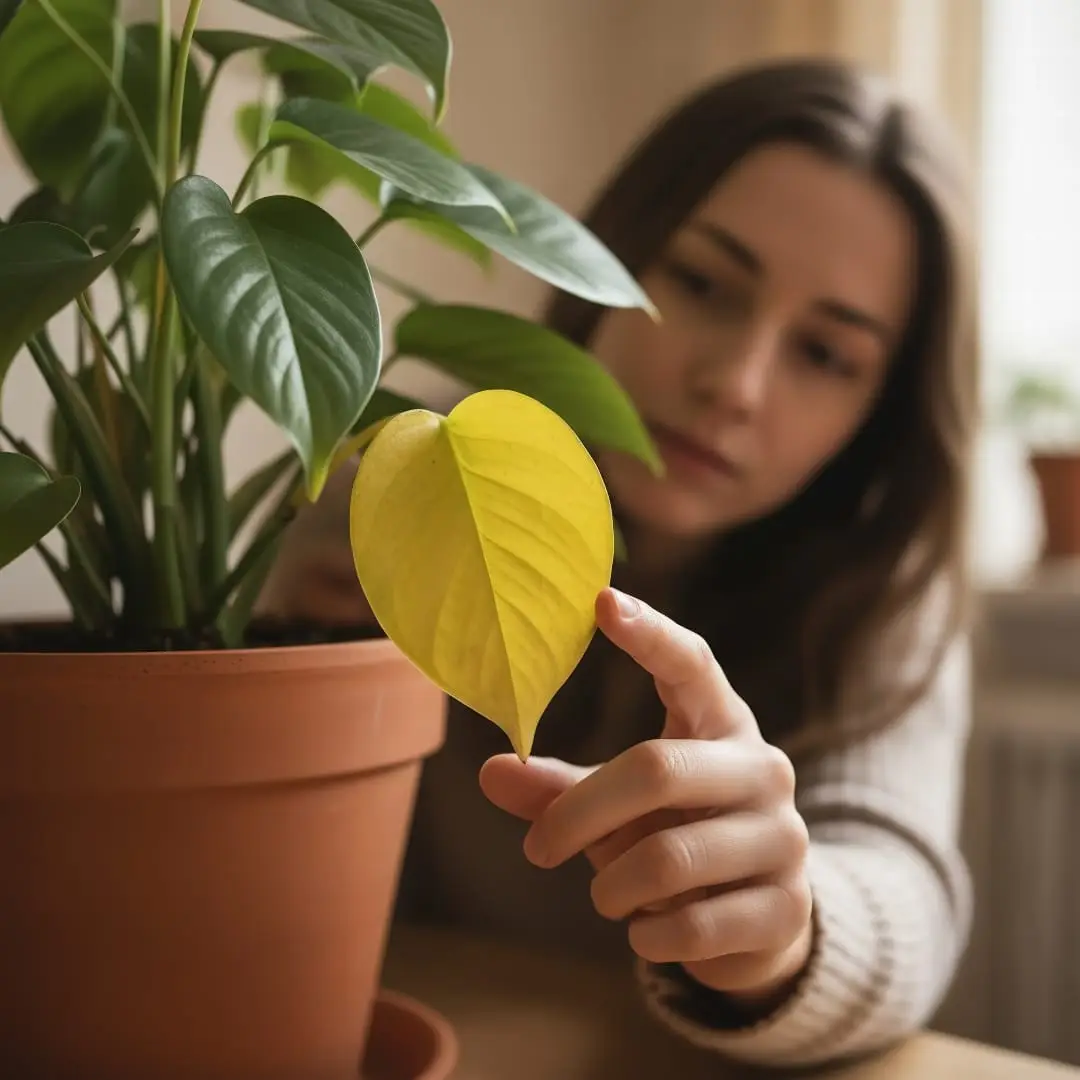
Common Autumn Houseplant Problems (and How to Fix Them)
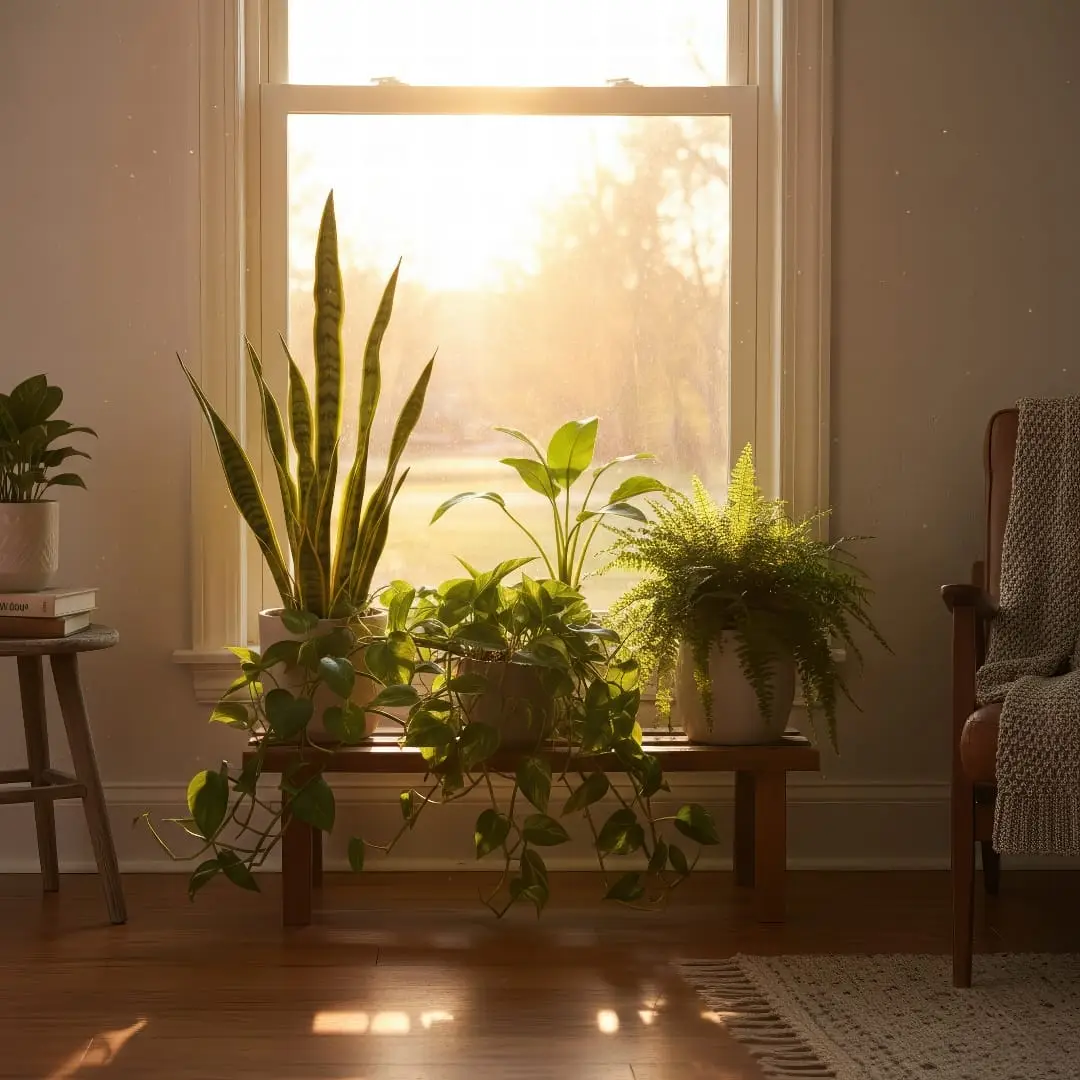
Dealing with Shorter Days: Light for Houseplants in Autumn
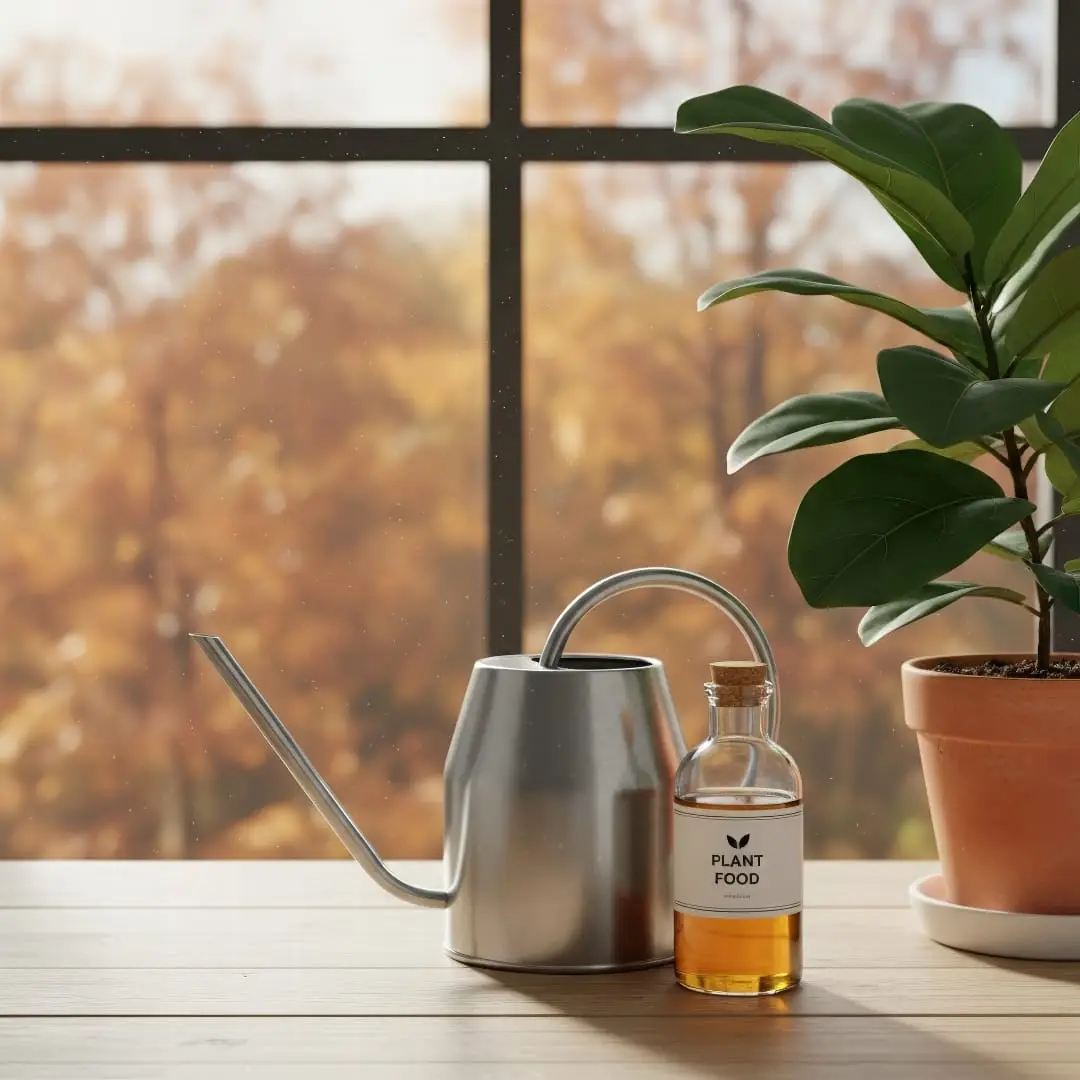
Adjusting Watering and Fertilizer in Autumn
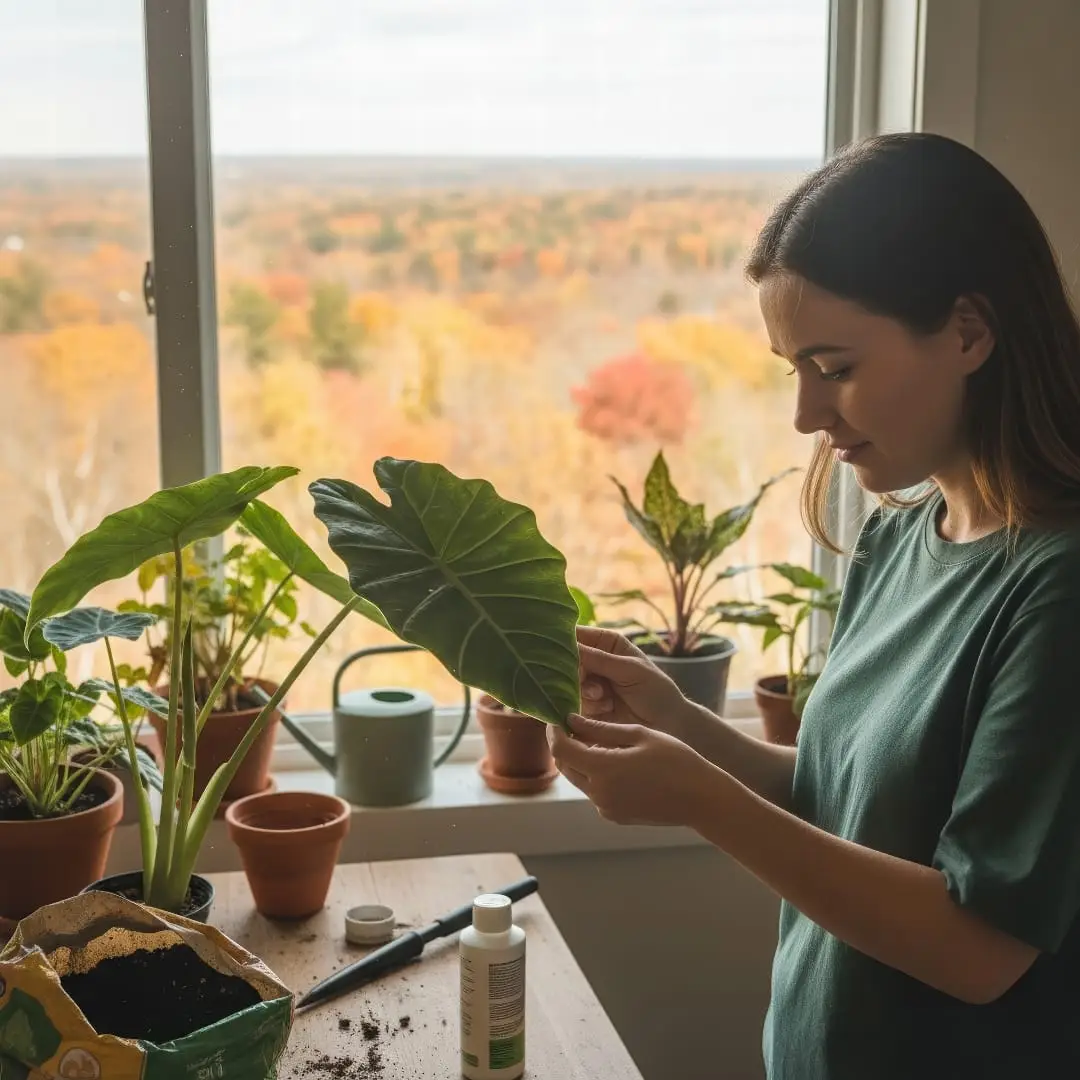
Preparing Houseplants for Winter: What to Do in Autumn

Houseplant101 Forum
Questions & Comments
Ask a question, share your plant experience, or help other plant owners.
Comments are temporarily unavailable.
Open the Houseplant101 ForumNo comments yet
Be the first to ask a question or share your experience about this page.
Log in or create an account
Comments use your Houseplant101 Forum account, but you can stay on this page.
Create a new account