
Tassel Fern
Polystichum polyblepharum
Japanese Tassel Fern, Bristle Fern, Korean Tassel Fern, Many-Eyelashed Fern


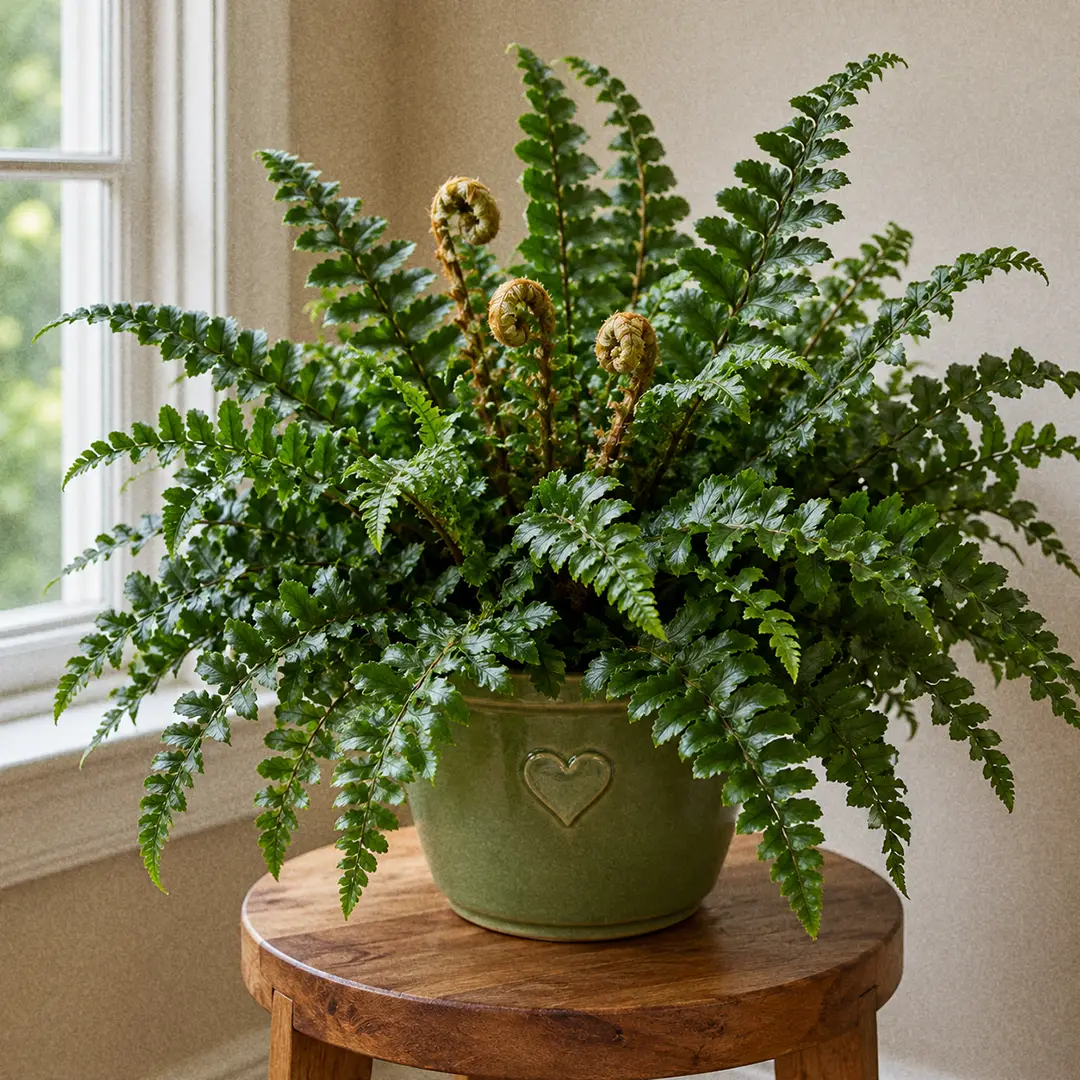
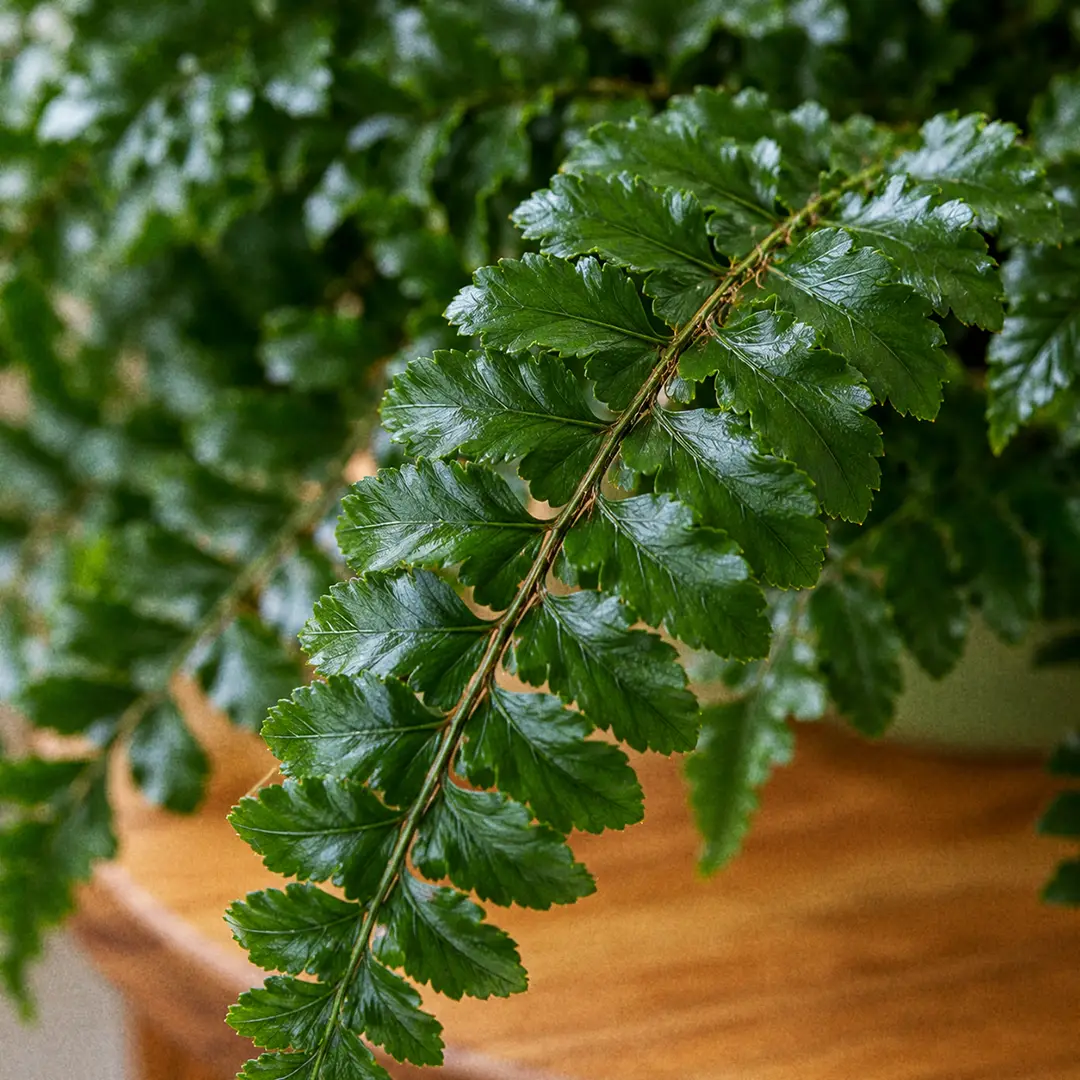
The Tassel Fern (Polystichum polyblepharum) is a glossy, deeply cut evergreen shield fern from Japan and Korea, famous for the way each new frond unfurls with a soft golden-bronze tassel of hairs that lingers for weeks. Indoors it reads like a slightly fancier, dark-green Christmas Fern and rewards patience with a tidy, shoulder-high rosette that holds its shape all year.
📝 Tassel Fern Care Notes
🌿 Care Instructions
⚠️ Common Pests
📊 Growth Information
🪴 In This Guide 🪴

☀️ Tassel Fern Light Requirements (Medium to Bright Indirect)
This is a forest-floor plant from the misty mountain slopes of Japan and Korea, so it has never seen direct sun in its life. Indoors, it wants the kind of bright, even, diffused light you find a few feet back from a north or east window.
The Sweet Spot
A north-facing window directly behind the plant works year-round, with no curtain. An east-facing window is great if the pot is set back two or three feet from the glass, so the morning sun never reaches the fronds. South and west windows need a sheer curtain or a five-to-six-foot setback, especially in summer. The leathery, glossy texture is your guide: a happy Tassel Fern looks lacquered, almost wet, in good light. See light for houseplants for the bigger picture on how to read indoor light zones.

Too Little Light
A Tassel Fern stuck in deep shade does not die, but it stops looking like itself. New fronds emerge pale, thin, and stretched, with the tassel of golden hairs much sparser than it should be. The mature fronds lose their gloss and droop sideways. If the plant sits more than seven or eight feet back from the nearest window, move it closer or add a small grow light overhead for ten hours a day.
Too Much Light
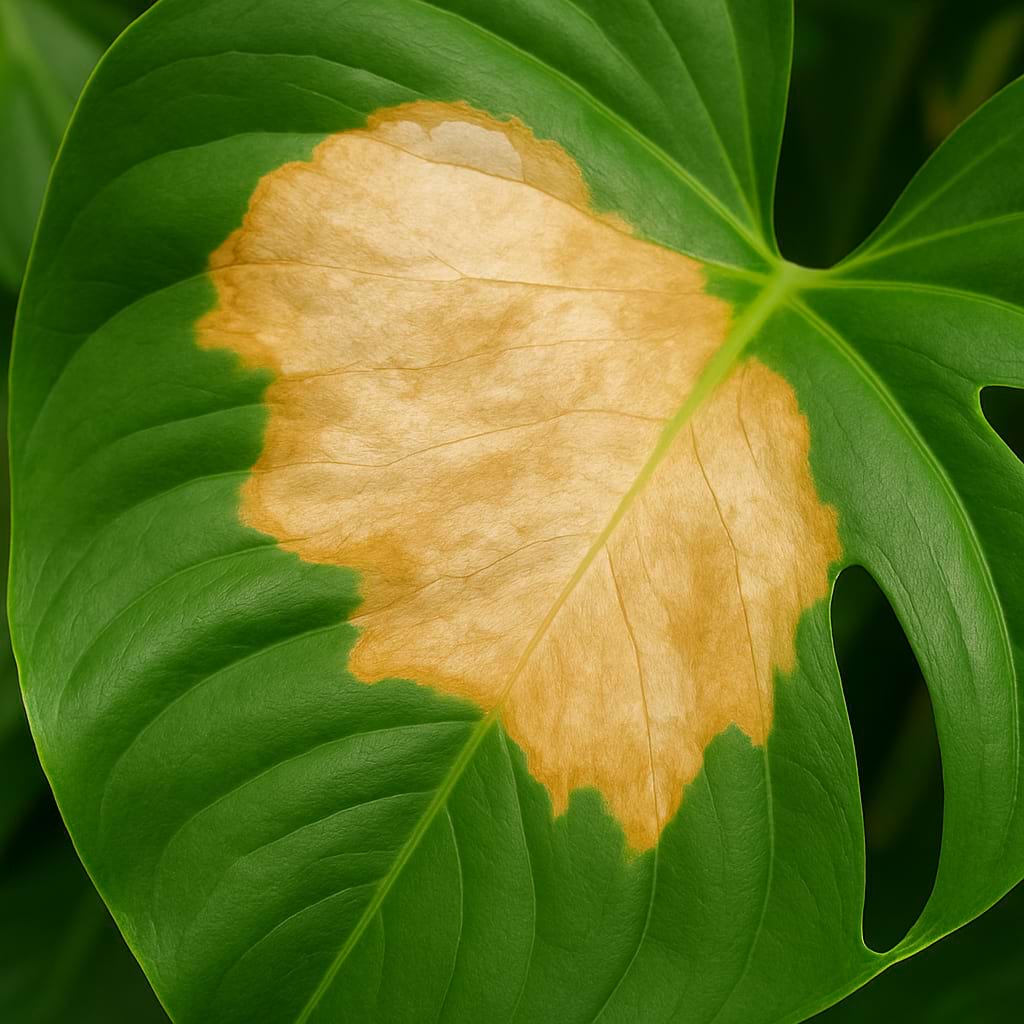
Even an hour of direct midday sun, especially through glass, leaves bleached tan patches along the upper face of the fronds. The damage does not heal: a scorched pinna stays scorched until you cut the whole frond off the next spring. If a south or west window is the only option, set the plant six feet back, behind a piece of furniture, or behind a sheer curtain that stays drawn during the brightest hours.
💧 Tassel Fern Watering Guide (Evenly Moist, Never Soggy)
Watering is where most indoor Tassel Ferns fail, in both directions. The fronds are leathery and look drought-proof, but the root system is shallow and fibrous, and a single full dry-out leaves crispy tips that ruin the look for months. At the same time, a pot sitting in water rots the crown faster than almost any other fern.
Watering Frequency
Aim to water as soon as the top half-inch of soil feels dry to the touch, which usually lands every five to seven days in spring and summer for a 6 inch pot. Cooler weather and a winter rest stretch that to ten or fourteen days. Use the finger test rather than a calendar: poke a knuckle into the soil, and if it comes out cool and faintly damp, wait another day. For the broader technique, see watering houseplants.
How to Water
Water at the soil line with room-temperature water, pouring slowly around the edge of the pot until water runs out the drainage hole. Wait ten minutes, then tip out anything left in the saucer. Avoid pouring water straight into the crown, since trapped water there turns the rhizome black within a few weeks. Rainwater or filtered water keeps the foliage glossier than hard tap water, since this species is mildly sensitive to chlorine and dissolved salts. Bottom watering works well for Tassel Ferns and keeps the crown bone dry.
Signs of Trouble
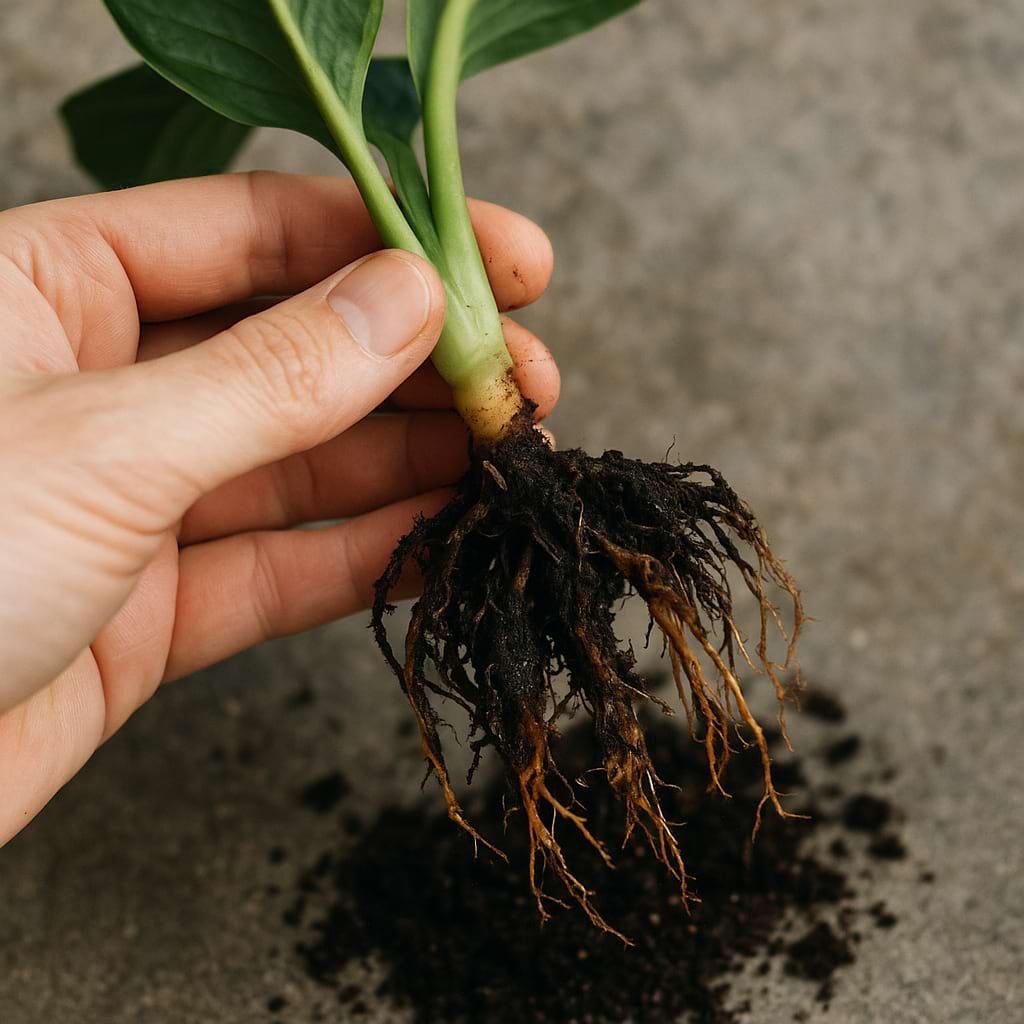
Underwatered plants show browned, curled-under tips on the lower fronds and a slightly grey cast across the whole rosette. Overwatered plants go the other way: yellowing of the entire frond from base to tip, a sour smell from the soil, and dark mushy patches at the rhizome. If you see the rhizome darken, lift the plant out, trim away rotted tissue, and repot into fresh, drier mix.
🪴 Best Soil for Tassel Fern
A Tassel Fern lives in leaf-mold-rich forest soil in the wild, so the indoor recipe leans toward the spongy and woodsy end of the spectrum. Anything heavy, sticky, or that bakes hard between waterings is wrong for this plant.
What the Soil Needs
The soil has to hold moisture across a full week without going soupy, allow air to reach the rhizome, and stay slightly acidic, around pH 5.5 to 6.5. Texture is the key: when you squeeze a fistful of damp mix, it should hold together briefly and then crumble apart as soon as you poke it, not drip water or stay packed.
DIY Soil Mix
A reliable blend for an indoor Tassel Fern is two parts peat moss or coco coir, one part finely shredded bark or leaf mold, and one part perlite. A small handful of horticultural charcoal keeps the mix sweet for longer. If you can get composted oak leaf mold from a garden centre, swap it in for half the peat: it gives the fronds a noticeably glossier finish.
Pre-Made Options
A bagged fern or African violet mix works straight out of the bag if you add a generous handful of perlite per pot to lighten it. Avoid heavy succulent mixes, generic moisture-control soils with hydrogel crystals, and any blend that turns into a brick when it dries.
🍼 Fertilizing Tassel Fern
Tassel Ferns are slow growers, so they are also light feeders. Pushing nutrients in the hope of faster growth usually just burns the roots and brown-tips the fronds within a few weeks. See fertilizing houseplants for the general principles.
When and How Often
Feed once a month from early spring through the end of summer, when new fiddleheads are pushing up and the existing fronds are still expanding. Stop feeding from October through February, since the plant is resting and any extra fertilizer just sits in the soil as salt.
What to Use
A balanced liquid fertilizer at half the label strength is plenty. Anything labelled 10-10-10, 15-15-15, or a similar even ratio works fine, as does a fish emulsion at quarter strength if you can tolerate the smell for a day. Apply to already-moist soil, never to a dry pot, and water through the soil with plain water once every six weeks or so to flush out any salt build-up.
Over-Fertilizing Signs
Crispy brown tips on otherwise healthy fronds, a faint white crust at the soil surface, and yellowing of the newest fronds all point to too much fertilizer. If you see any of these, flush the pot with three pot-volumes of plain water and skip the next two feedings.
🌡️ Tassel Fern Temperature Range
This is a temperate fern, not a tropical one, so it actually likes things a touch cooler than most houseplants.
Ideal Range
A daytime range of 60 to 72°F (16 to 22°C) is perfect, with night-time temperatures dropping into the high fifties. A cool winter spot of 50 to 60°F (10 to 16°C) gives the rhizome a proper rest and produces a much stronger flush of tassels in spring. The plant survives short dips down to 28°F (-2°C) outside, but indoor plants kept above 75°F (24°C) for weeks at a time go limp and tip-burn.
Drafts and Heat Sources
Cold drafts from a single-glazed window are fine. Hot, dry air blasting from a radiator, wood stove, or forced-air vent is not, since the dry air pulls moisture out of the fronds faster than the roots can replace it. Keep the plant at least three feet away from any active heat source, and away from the top of fridges and TVs where warm air rises.
💦 Tassel Fern Humidity Requirements
Tassel Ferns put up with much drier air than most ferns of similar size, but they look their best when humidity sits comfortably in the middle of the household range.
Ideal Humidity
Aim for 50 to 70 percent. A steady 45 percent is fine if the soil stays evenly damp, since most of the plant's water comes through the roots. Drier than 35 percent for weeks at a time, especially in winter, starts to brown the frond tips even with perfect watering.
Easy Humidity Boosters
A small room humidifier running for a few hours each morning is the most reliable boost. A pebble tray under the pot helps a little. Grouping the Tassel Fern with two or three other ferns or aroids raises local humidity through shared transpiration. A bright bathroom with a north or east window is a near-perfect spot, since the daily shower keeps the air saturated. Avoid daily misting as your only humidity strategy: misted droplets that sit overnight on the leathery fronds spot the surface with fungal lesions.
🌸 Does Tassel Fern Bloom?
Tassel Ferns are true ferns, so they never produce flowers. The visual show comes from the new fronds themselves and the spore production that follows in late summer.
Spores Instead of Flowers
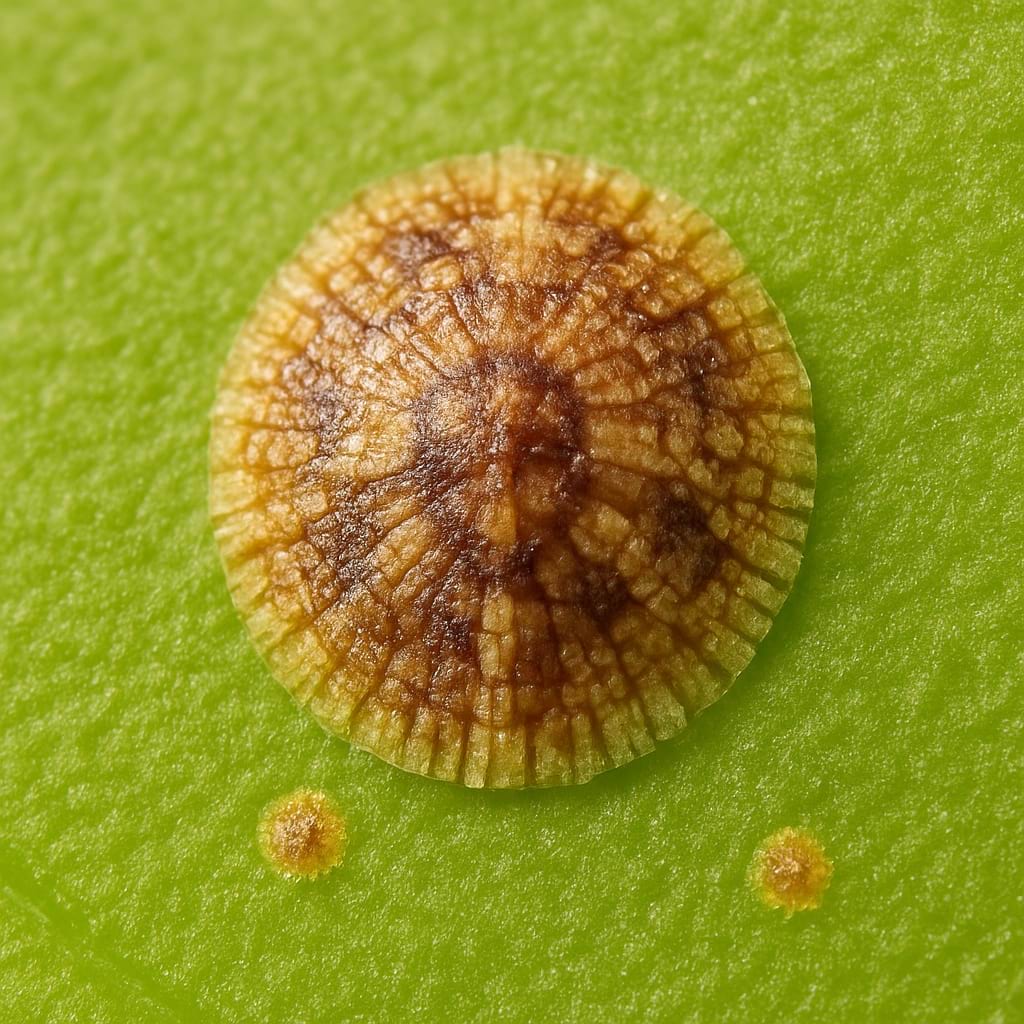
In mid to late summer, the undersides of mature fronds develop neat rows of round, rusty-brown dots called sori. Each dot is a cluster of spore cases, and a mature, well-fed plant can carry thousands of them. The sori do not harm the plant in any way and should not be wiped off in the belief that they are scale insects.
The Tassel Show
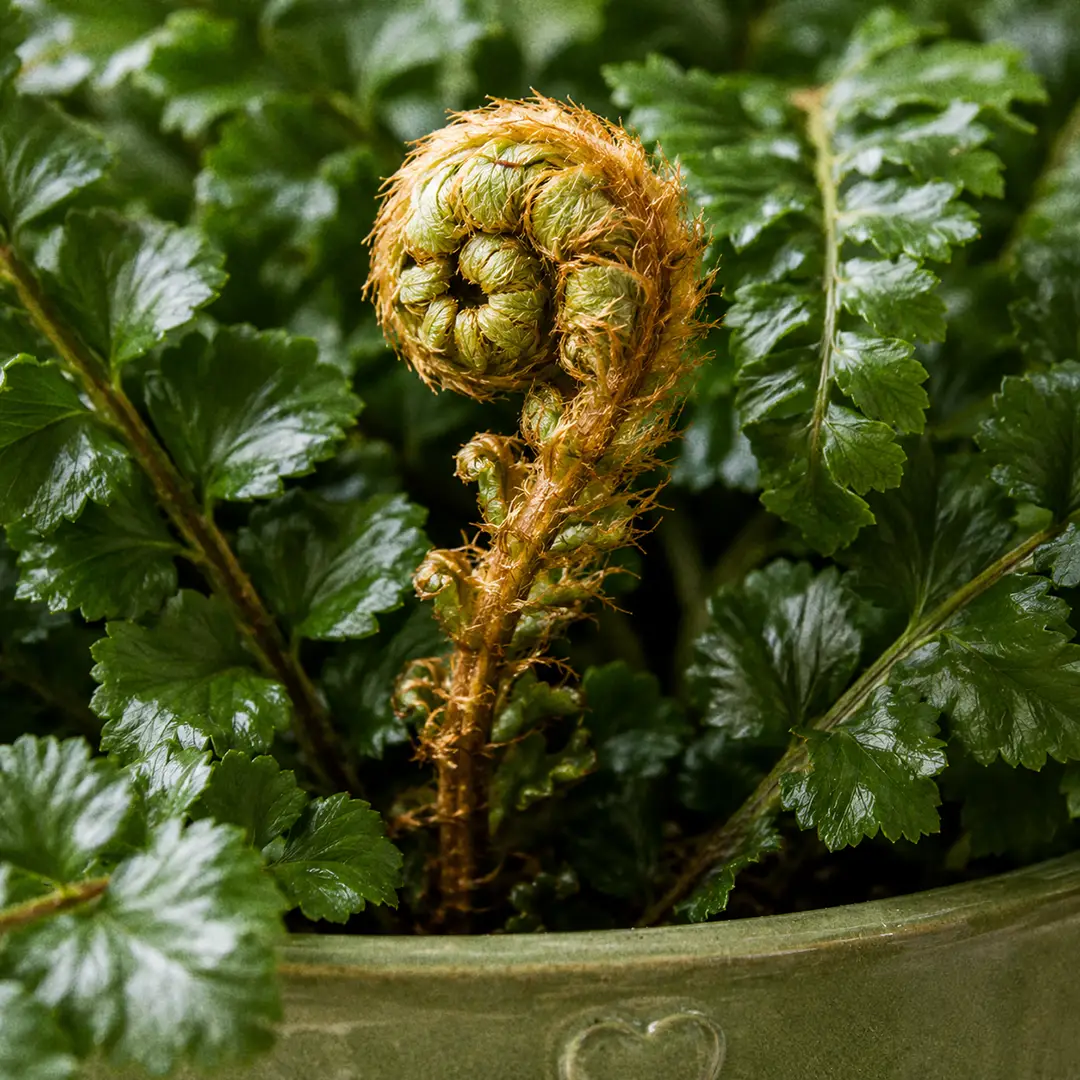
The closest thing to a bloom is the spring flush of new fiddleheads. Each one emerges wrapped in dense golden-bronze hairs and arches backward as it unfurls, so for two or three weeks the rosette looks like a green fountain with golden tassels dripping down the outside. That is the moment the plant is named for, and it is unmistakable when you see it in person.
If You Want To Grow From Spores
Spore propagation is slow but possible. See the propagation section below for the full step-by-step.
🏷️ Tassel Fern Types and Lookalikes
Polystichum polyblepharum is a single botanical species with very little cultivar variation, but it has a few close cousins and lookalikes that often get muddled in garden centres.
Polystichum polyblepharum (The True Tassel Fern)
The species itself is what almost every garden centre sells under the Tassel Fern label. Look for a tight rosette of glossy, twice-pinnate fronds with a leathery feel, pale tan hair-scales along the leaf stalk, and the trademark golden tassel on each new fiddlehead. Mature plants reach about 18 to 24 inches indoors and slightly taller outdoors.
Polystichum setiferum (Soft Shield Fern)
The Soft Shield Fern is the most common lookalike, especially in European garden centres. Its fronds are softer, longer, and a lighter, matte green, and the new fiddleheads carry pale-cream hairs rather than golden-bronze. It also throws bulbils along the rachis, which the true Tassel Fern does not. Care is almost identical, so a mix-up at the shop is not a disaster.
Polystichum acrostichoides (Christmas Fern)
The Christmas Fern is the North American cousin. Its fronds are once-pinnate rather than twice-pinnate, so they look simpler and more open. It is hardier outdoors, surviving down to USDA zone 3, and tolerates drier soil. Indoors it stays smaller and a little less polished, but the care is the same.
Polystichum tsus-simense (Korean Rock Fern)
The Korean Rock Fern is the pocket-sized member of the genus, rarely passing 16 inches, with the same finely cut fronds held on nearly black stems. It tolerates ordinary room humidity better than the Tassel Fern and fits on a windowsill or inside an open terrarium, so it is the one to pick when a full-sized shield fern will not fit the space.
Holly Fern Mix-Ups
The Holly Fern (Cyrtomium falcatum) is a different genus entirely, but its glossy dark fronds get confused with Tassel Fern at first glance. The give-away is the leaflet shape: Holly Fern has large, sickle-shaped, holly-like pinnae, while Tassel Fern has small, finely cut, twice-pinnate ones. The East Indian Holly Fern (Arachniodes simplicior 'Variegata') borrows the name too, and its leathery triangular fronds sit somewhere between the two, except that each leaflet carries a chartreuse stripe no Polystichum or Cyrtomium ever produces.
🪴 Potting and Repotting Tassel Fern
Tassel Ferns are slow growers with a creeping rhizome, so they do not need frequent repotting. Trying to push them on by potting up into a much bigger container almost always backfires, since the extra soil holds water around an empty space and rots the rhizome.
When to Repot
Plan to repot every two to three years, or when you see roots circling the bottom of the pot, water running straight through the soil without soaking in, or the rhizome creeping over the rim. Early spring, just before the first fiddleheads push up, is the best moment. See the general repotting guide for the wider technique.
Choosing a Pot
Go up by one pot size only, so a 5 inch pot becomes a 6 inch pot, not an 8 inch one. The pot must have at least one large drainage hole. Terracotta is excellent for new growers who tend to overwater, since it dries the soil from the sides. A glazed ceramic pot works well for anyone with a drier home, since it holds moisture longer.
Step-by-Step Repotting
- Water the plant well the day before, so the root ball lifts out in one piece.
- Tip the pot sideways and slide the plant out. Tease away any loose old soil from the outer edge of the root ball.
- Trim off any black or mushy roots with clean scissors, but leave the firm, pale ones alone.
- Put a layer of fresh mix in the new pot, set the plant in so the top of the rhizome sits just at the new soil line, then backfill around the sides.
- Water lightly to settle the soil, top up with more mix if needed, and keep the plant out of direct sun for a week while it settles in.
The single biggest mistake is burying the rhizome. The fleshy crown should sit at the soil surface, never below it.
✂️ Pruning Tassel Fern
Pruning is light and mostly cosmetic, since the plant holds its old fronds through winter as a natural mulch for the crown.
When to Prune
The main pruning moment is very early spring, just before the new fiddleheads push up. The previous year's fronds are tatty by then, so cut them off at the soil line with clean scissors. The new growth that follows is cleaner and brighter than if you leave the old fronds in place.
How to Prune
Throughout the year, snip off any frond that goes fully yellow, brown, or limp, cutting at the base of its stalk where it meets the rhizome rather than partway up. Never cut into the rhizome itself: damage there can kill the plant. Avoid pruning more than a third of the fronds at one time.
🌱 How to Propagate Tassel Fern
Division is the only reliable method for home growers. Spores work in a lab setting and on a patient hobbyist's bench, but they take a year or more to produce a recognisable young plant.
Best Method (Division)
Mature Tassel Ferns slowly form a small clump of crowns connected by a creeping rhizome. After three or four years, the clump can usually be split into two or three pieces, each with its own roots, rhizome section, and a fan of fronds.
Step-by-Step Division
- Wait until early spring, just before new growth starts.
- Tip the plant out of its pot and brush off the loose soil so you can see the rhizome.
- Look for natural separation points where one crown ends and another begins. Use a clean, sharp knife to cut through the rhizome between them, making sure each piece has at least three fronds and a fat section of root.
- Pot each division into its own small container of fresh fern mix, keeping the rhizome at the soil surface.
- Water lightly, set the divisions in a shaded, humid spot, and leave them alone for three to four weeks while new roots form.
Tips for Success
Divided plants sulk for the first season. Expect smaller fronds and only a thin spring flush in year one, with the plant catching up in year two.
Growing From Spores
Collect ripe sori from the undersides of fronds in late summer and tap the brown dust onto paper. Sprinkle it onto a tray of damp, sterile sphagnum, cover with clear plastic, and keep at 65 to 70°F (18 to 21°C) under bright indirect light. Heart-shaped prothalli appear after six to twelve weeks, with tiny true fronds following two or three months later. It is a slow craft project, not a quick way to grow plants.
🐛 Tassel Fern Pests and Treatment
Tassel Ferns are not a magnet for pests, especially compared to softer ferns like Boston or Maidenhair. The thick, leathery fronds shrug off most chewing insects, and when pests do show up, it is usually because the plant is already stressed.
The most common visitors are scale insects, flat brown or tan bumps stuck along the rachis or the underside of the fronds. Wipe them off with a cotton bud dipped in 70 percent isopropyl alcohol, then follow up with a horticultural soap spray once a week for three weeks.
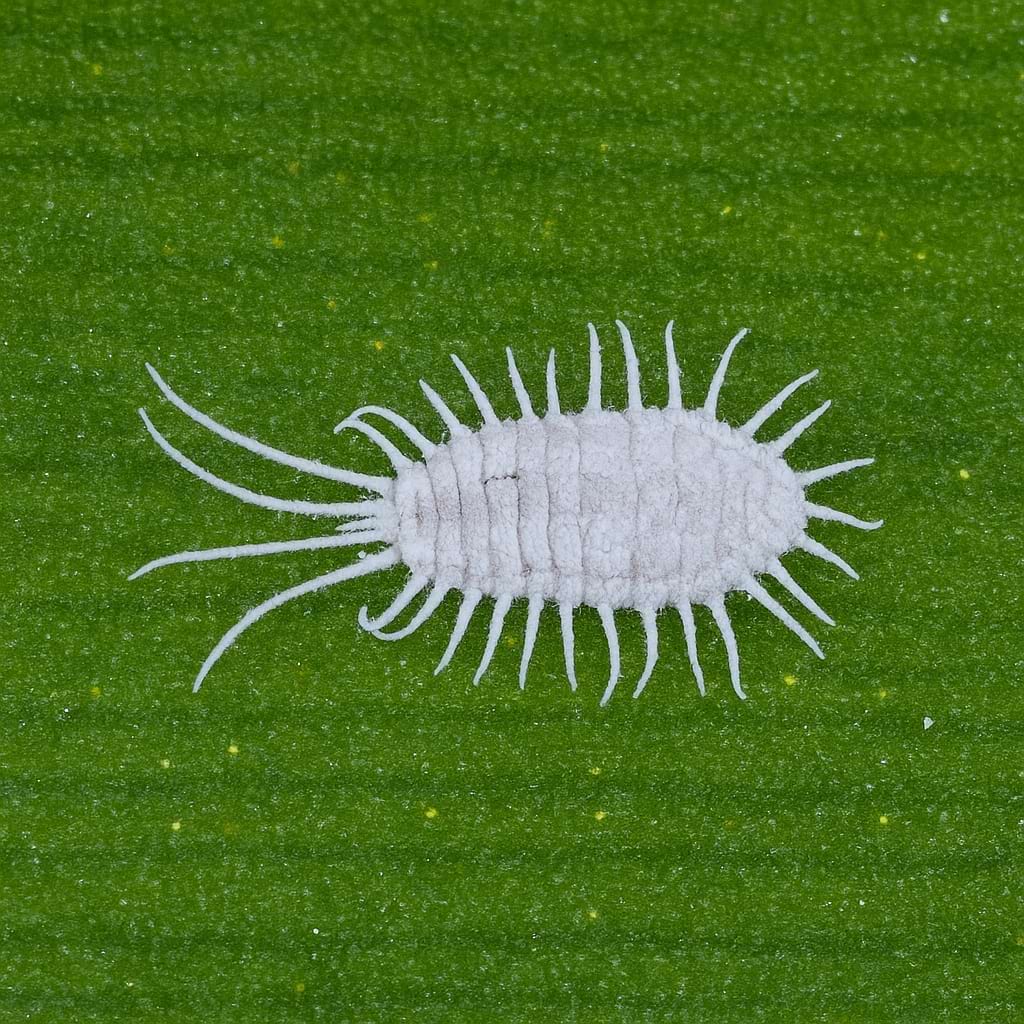
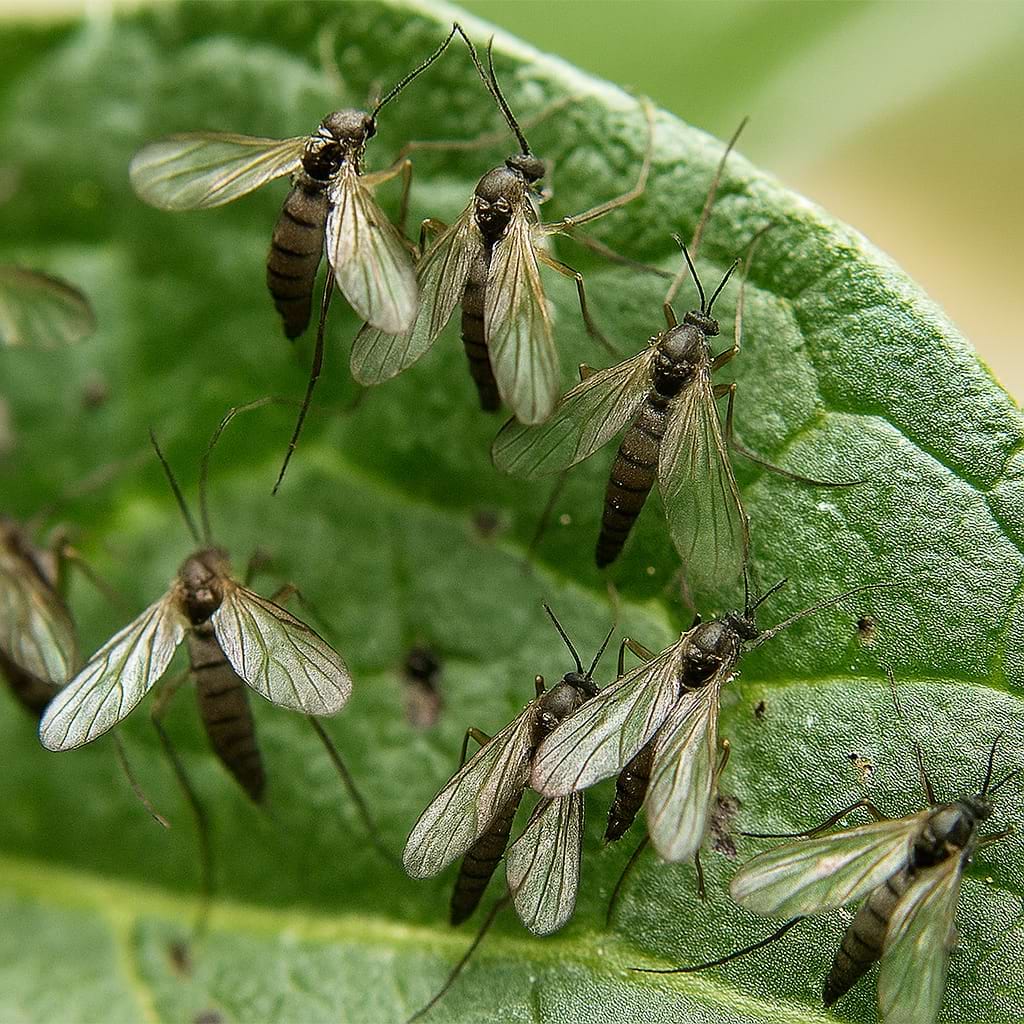
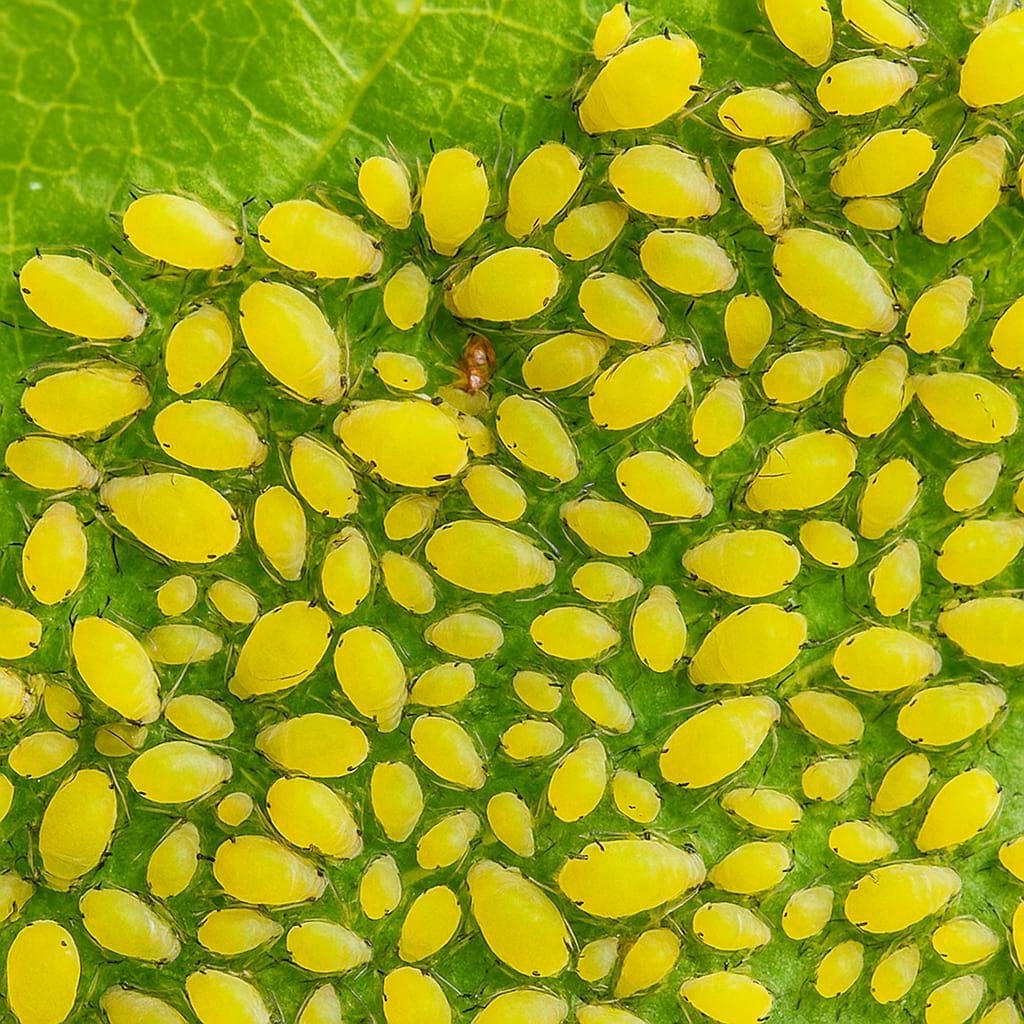
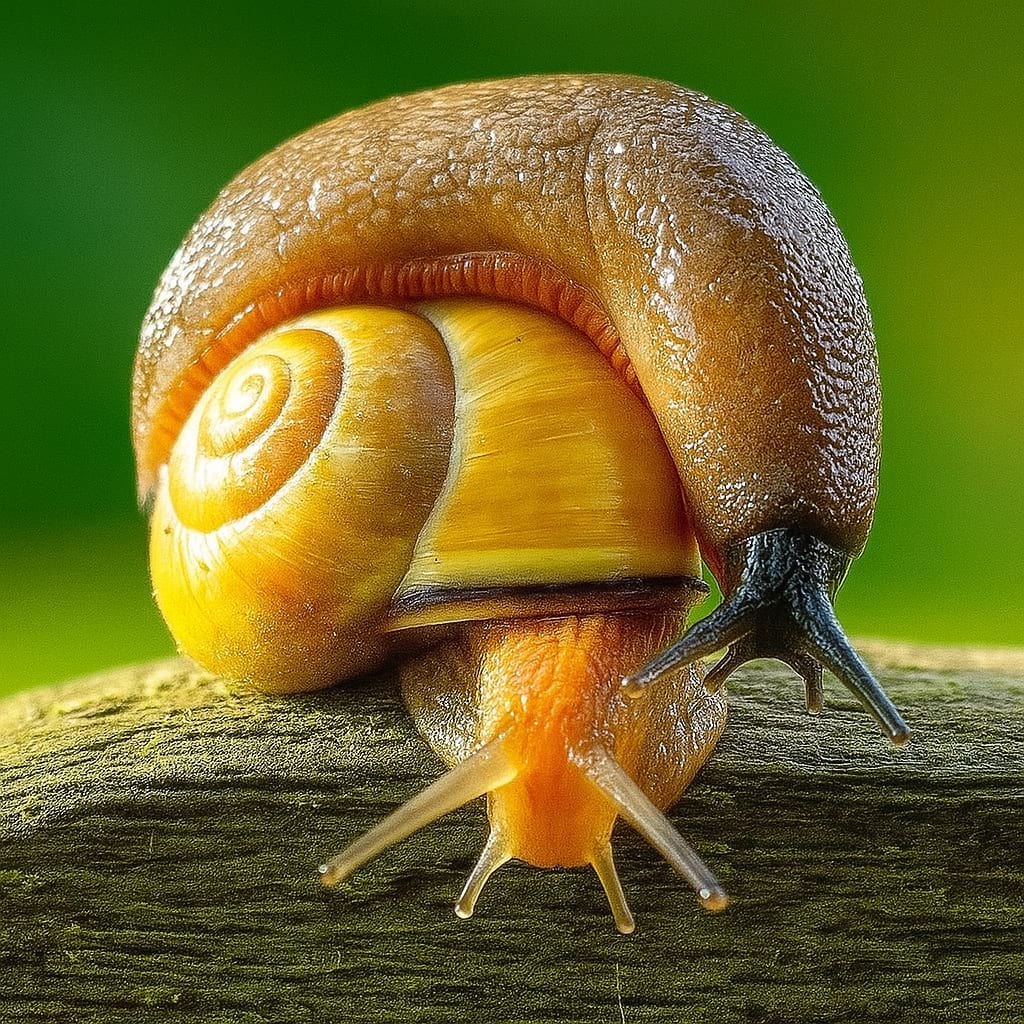
Mealybugs sometimes wedge into the crown of an indoor plant, where the tan hair-scales hide them well. Spot-treat any white cottony patches between the leaf stalks with alcohol on a cotton bud. Fungus gnats point to soil that is staying too wet, so let the top inch dry out fully and top-dress with horticultural sand. Aphids occasionally find new fiddleheads in spring and rinse off with a gentle shower, and outdoor plants face only mild pressure from slugs and snails.
🩺 Common Tassel Fern Problems
Almost every Tassel Fern problem traces back to water, light, or a buried rhizome. Sorting out those three usually fixes the plant.
Root rot is the most serious issue and almost always shows up when the pot drains poorly or the rhizome is buried under the soil. The fronds yellow from the base outward, the soil smells sour, and the rhizome turns black and mushy. Lift the plant, cut away rotted tissue with clean scissors, and repot into fresh, drier mix with the rhizome sitting at the surface.
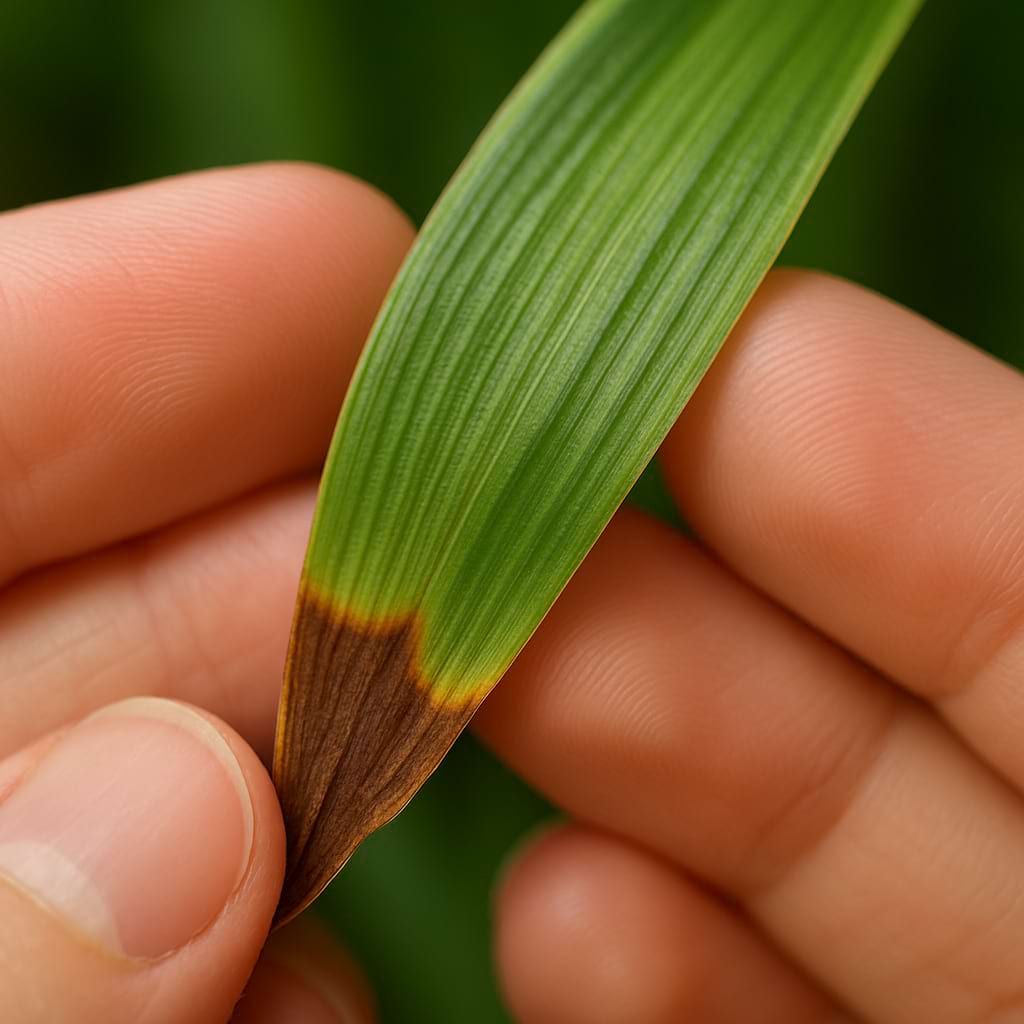
Brown crispy edges are the classic low-humidity and underwatering signal. The leathery fronds hide a slow problem until it is suddenly visible across the whole rosette. Catch it early by checking soil moisture every few days and boosting humidity through winter.
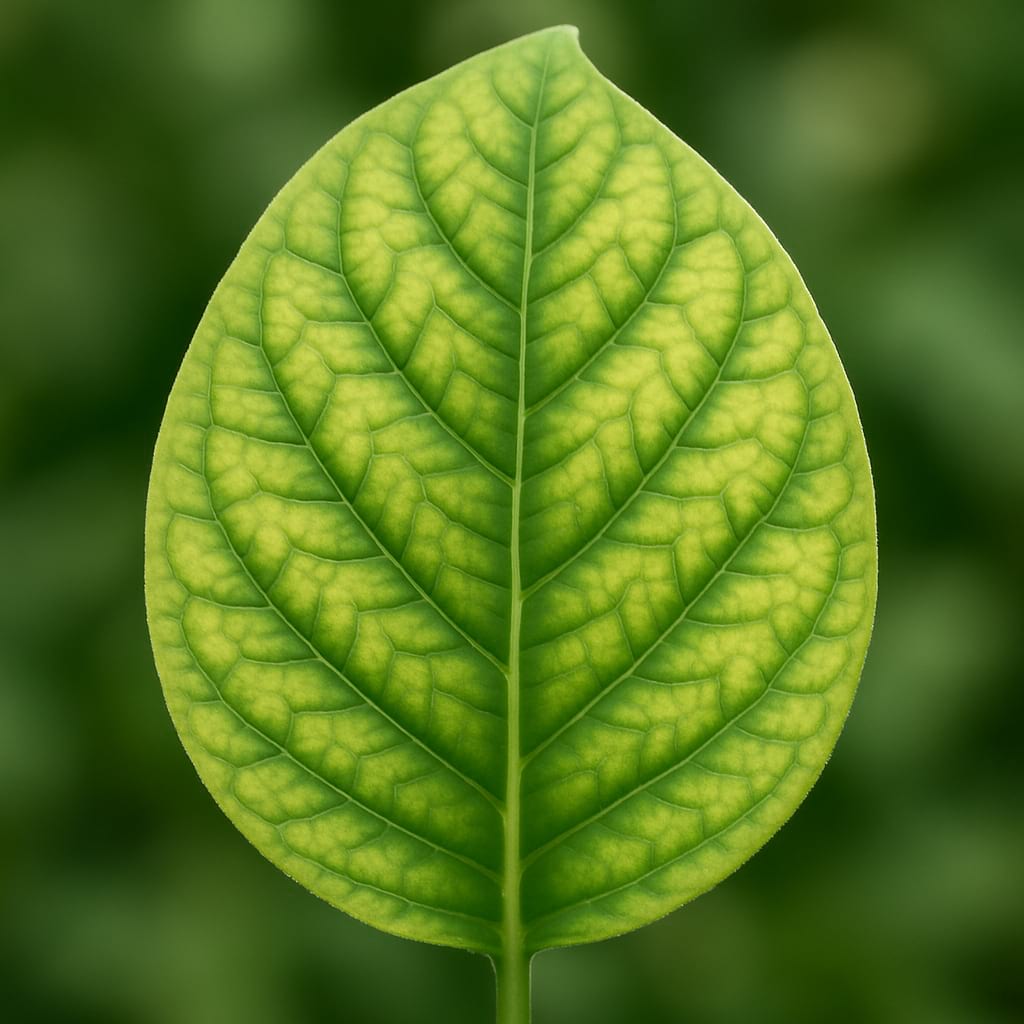
Yellowing leaves on older outer fronds is normal as the plant cycles them out, but widespread yellowing across new fronds points to either overwatering or, less often, a nitrogen-poor potting mix.
Stunted growth is usually a light problem in deep shade, or a temperature problem in a very warm room. Move the plant to a brighter, cooler spot for a month and watch what the new fiddleheads do.
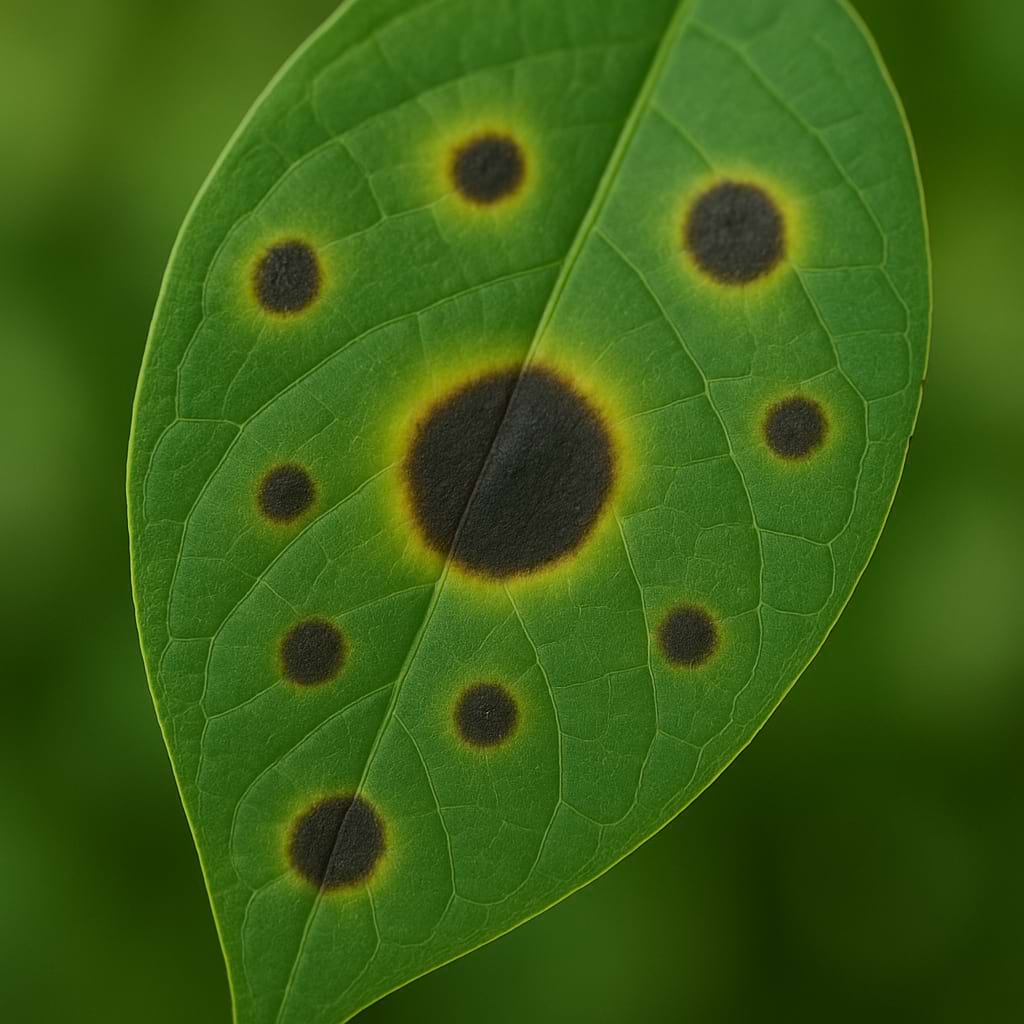
Brown-black spots on the fronds usually follow nightly misting in a still room. Stop misting, increase air movement, and trim off the worst-affected fronds at the base.
Sunburn or leaf scorch shows as bleached tan patches on the upper face of the fronds after even an hour of direct sun. Move the plant out of direct light and accept that the damage will only fade once the affected fronds are cut off next spring.
Nutrient deficiency shows as pale, slow new growth and looks similar to a light problem. If you have ruled out light, feed half-strength balanced liquid fertilizer once a month from spring through summer.


🖼️ Tassel Fern Display and Styling Ideas
The Tassel Fern is one of the few houseplants that genuinely shines in a shaded corner where almost nothing else thrives. It earns its keep through structure rather than colour.
Solo Setups
A single mature Tassel Fern on a low wooden plant stand in a north-facing room reads like a small dark-green fountain and softens a sharp wall corner. A 6 to 8 inch terracotta pot suits the species best, since the warm orange of the clay sets off the cool dark green of the fronds. Lift the pot off the floor by at least 12 inches so the arching outer fronds clear the carpet.
Grouped Arrangements
The Tassel Fern is a generous neighbour in a fern grouping, because its leathery fronds contrast beautifully against softer, lacier shapes. Pair it with a Japanese Painted Fern for silvery accents, a Lady Fern for an airy contrast, or an Autumn Fern for coppery new growth in the same shade-loving microclimate. The grouping also raises local humidity, which keeps every plant looking better.
Where Not to Put It
Anywhere that gets direct sun for more than an hour a day is wrong: a south or west window, a bright sunroom, or the seat of a bay window. Anywhere with hot, dry air is also wrong: above a radiator, next to a wood stove, in a kitchen directly over a hot stove. And anywhere with cold drafts from an air-conditioning vent will brown the tips within a week.
🌟 Tassel Fern Pro Care Tips
✅ Keep the rhizome at the surface. Burying the fleshy crown under soil is the single fastest way to kill a Tassel Fern. After repotting, the rhizome should sit visible at the soil line.
🪴 Pot terracotta, water from below. Terracotta wicks away excess moisture from the sides, and bottom-watering keeps the crown bone dry. The combination prevents most rot problems before they start.
💧 Trust the finger test. Soil meters lie on peaty mixes. A fingertip pushed half an inch into the soil is the most reliable signal for when to water.
❄️ Give it a cool winter rest. A bright spot at 50 to 60°F (10 to 16°C) from November through February rewards you with twice as many fiddleheads in spring.
✂️ Cut old fronds in early spring, not autumn. The old fronds protect the rhizome through winter. Snipping them off at the soil line in February or March, just before new growth, is the cleaner cut.
🚿 Rinse the fronds once a month. A gentle shower of room-temperature water washes off dust, knocks down any early pest infestation, and brings the glossy finish back.
🍂 Add leaf mold if you can find it. A handful of well-rotted oak leaf mold in the potting mix gives the fronds a noticeably deeper, glossier finish.
🌬️ Move it slowly. A Tassel Fern abruptly relocated to a new spot can pause growth for a full season. Shift it a few feet at a time over a couple of weeks if you need to relocate it.
❓ Frequently Asked Questions
Is the Tassel Fern toxic to cats or dogs?
No. Polystichum polyblepharum is non-toxic to cats, dogs, and humans according to the ASPCA's classification of Polystichum species. A curious pet that chews a frond may still get a mild upset stomach from the fibrous tissue, but there is no chemical toxicity to worry about.
How fast does a Tassel Fern grow indoors?
Slowly. Expect a small, three-frond plant to take three or four years to fill a 6 inch pot and reach its mature spread of 24 inches across. Faster growth almost always means too much fertilizer or too much heat, and the rosette ends up loose and floppy rather than tight and glossy.
Why are my Tassel Fern's new fronds pale and stretched?
Pale, stretched new fronds point to too little light. Move the plant closer to a north or east window, or add a small grow light overhead for ten hours a day. The next flush of fiddleheads should come in fatter and more clearly tasselled.
Can I grow Tassel Fern outdoors?
Yes, in USDA zones 5 through 8. Plant it in a sheltered shaded corner with rich, woodsy soil and even moisture, and it will hold its green colour through most winters. North of zone 5, treat it as a container plant that lives outside in summer and comes in for winter.
Why is my Tassel Fern dropping fronds at the base?
A few yellow lower fronds per year is normal as the plant cycles out its oldest growth. Heavy frond drop, especially if the dropped fronds are pale and limp, usually points to either dry soil, very low humidity, or root rot. Check the soil moisture and the smell of the soil, and adjust from there.
Do I need to mist a Tassel Fern?
Not really. The leathery fronds tolerate average household humidity better than most ferns. A small humidifier or a pebble tray is a better long-term answer than daily misting, since misted droplets that sit overnight invite fungal spots on the glossy frond surface.
What is the difference between Tassel Fern and Soft Shield Fern?
Tassel Fern (Polystichum polyblepharum) has stiff, glossy, dark green fronds and golden-bronze hairs on the new tassels. Soft Shield Fern (Polystichum setiferum) has softer, matte, lighter green fronds, cream-coloured hairs, and small bulbils along the rachis. Care is almost identical, but the Tassel Fern looks more polished in a styled indoor setting.
Why does my Tassel Fern look better in winter than summer?
A Tassel Fern in a centrally heated summer living room can suffer more than one kept in a cool, bright winter spot, because heat and dry air stress it more than cold and damp do. A cooler winter room of 55 to 65°F (13 to 18°C) is closer to the plant's native climate than a warm summer one.
Can I keep a Tassel Fern in a terrarium?
A young or small Tassel Fern works well in a large, open terrarium with woodland plants like mosses and small spring ephemerals. Closed terrariums tend to be too warm and stagnant for it, and the leathery fronds spot with fungal lesions in still, humid air.
ℹ️ Tassel Fern Info
Care and Maintenance
🪴 Soil Type and pH: Rich, loamy, well-draining mix with high organic content; slightly acidic pH 5.5-6.5.
💧 Humidity and Misting: Comfortable from 50 to 70 percent; tolerates a steady 45 percent if the soil stays evenly moist.
✂️ Pruning: Snip damaged fronds at the base; cut all old fronds to the soil line in very early spring just before new tassels unfurl.
🧼 Cleaning: Mist the fronds with soft water or rinse under a gentle shower; never wipe with a cloth, since the glossy pinnae snap off at the rachis if pulled.
🌱 Repotting: Bump up one pot size only when the rhizome has filled the container and roots are circling the base, usually every 2 to 3 years.
🔄 Repotting Frequency: Every 2-3 years
❄️ Seasonal Changes in Care: Active growth in spring and summer; cut watering back slightly in late autumn; the plant rests through winter and prefers a cooler spot of 55 to 65°F.
Growing Characteristics
💥 Growth Speed: Slow
🔄 Life Cycle: Long-lived evergreen perennial
💥 Bloom Time: Does not bloom; produces spores on the undersides of mature fronds from mid to late summer
🌡️ Hardiness Zones: 5-8 outdoors; grown as a houseplant in all other zones
🗺️ Native Area: Forested mountain slopes of Japan, southern China, Korea, and Taiwan
🚘 Hibernation: Slows almost to a stop in winter; an indoor plant kept in a cool, bright room rests properly and pushes a stronger flush of tassels in spring
Propagation and Health
📍 Suitable Locations: North or east-facing windows, bathrooms, shaded porches, sheltered woodland gardens, terrariums, and shady patios
🪴 Propagation Methods: Easiest by clump division in early spring; slow but possible from spores collected off mature fronds.
🐛 Common Pests: Scale Insects, Mealybugs, Fungus Gnats, Aphids, Slugs Snails
🦠 Possible Diseases: Crown rot from buried rhizomes, root rot from soggy soil, fungal leaf spotting in stagnant air
Plant Details
🌿 Plant Type: Evergreen terrestrial shield fern with a creeping rhizome and arching rosette habit
🍃 Foliage Type: Glossy, lance-shaped, twice-pinnate evergreen fronds with stiff, leathery texture; new fiddleheads emerge wrapped in dense golden-bronze hairs and arch backward as they unfurl
🎨 Color of Leaves: Bright apple-green when young, deepening to a glossy almost lacquered dark green at maturity; rachis covered in pale tan hair-scales
🌸 Flower Color: N/A
🌼 Blooming: Does not bloom; produces small round sori on the undersides of fertile fronds in mid to late summer
🍽️ Edibility: Not edible
📏 Mature Size: 18-24 inches indoors; up to 30 inches outdoors
Additional Info
🌻 General Benefits: Mild air purification, year-round structure for shaded corners, pet-safe in terms of toxicity, slug-resistant compared to softer ferns
💊 Medical Properties: None of significance for indoor growers
🧿 Feng Shui: A grounding accent for a north or east corner; the arching rosette is said to soften sharp wall angles and bring calm woodland energy indoors
⭐ Zodiac Sign Compatibility: Cancer
🌈 Symbolism or Folklore: Quiet endurance, patience, and resilience; the persistent backward-curl of new fronds reads as steady character through change
📝 Interesting Facts: The Latin name polyblepharum means "many eyelashes," a nod to the fine tan hairs that cover the leaf stalks and unfurling tassels. Each new fiddlehead arches backward as it opens, so a healthy plant in spring looks like a green fountain with golden tassels dripping down the outside. The species was introduced to Western gardens in the 1870s after Charles Maries collected it for the Veitch Nursery in Japan, and it remains one of the few Asian shield ferns that holds its glossy color through winter as far north as Boston and Berlin.
Buying and Usage
🛒 What to Look for When Buying: Choose a plant with a tight, upright crown, glossy mid-green fronds, and visible new fiddleheads near the center. The rhizome at the base should be firm and pale brown. Skip plants with matted, dull fronds, browned crowns, or a sour smell from the soil, since that usually points to overwatering and crown rot.
🪴 Other Uses: Shade gardens, woodland borders, container plant on shaded porches, cut foliage for floral arrangements, large terrariums and vivariums
Decoration and Styling
🖼️ Display Ideas: Solo on a low plant stand in a shaded living room corner, paired with darker glossy aroids for a layered green look, or massed in a woodland-style trough with mosses and small spring ephemerals
🧵 Styling Tips: Top-dress the soil with a thin layer of fine bark or moss to keep the rhizome cool and to make the arching fronds look like they are rising out of a forest floor.
🪴 See also 🪴
Complete Guide to Silver Lady Fern Care and Growth
Complete Guide to Squirrel's Foot Fern Care and Growth
Complete Guide to Delta Maidenhair Fern Care and Growth
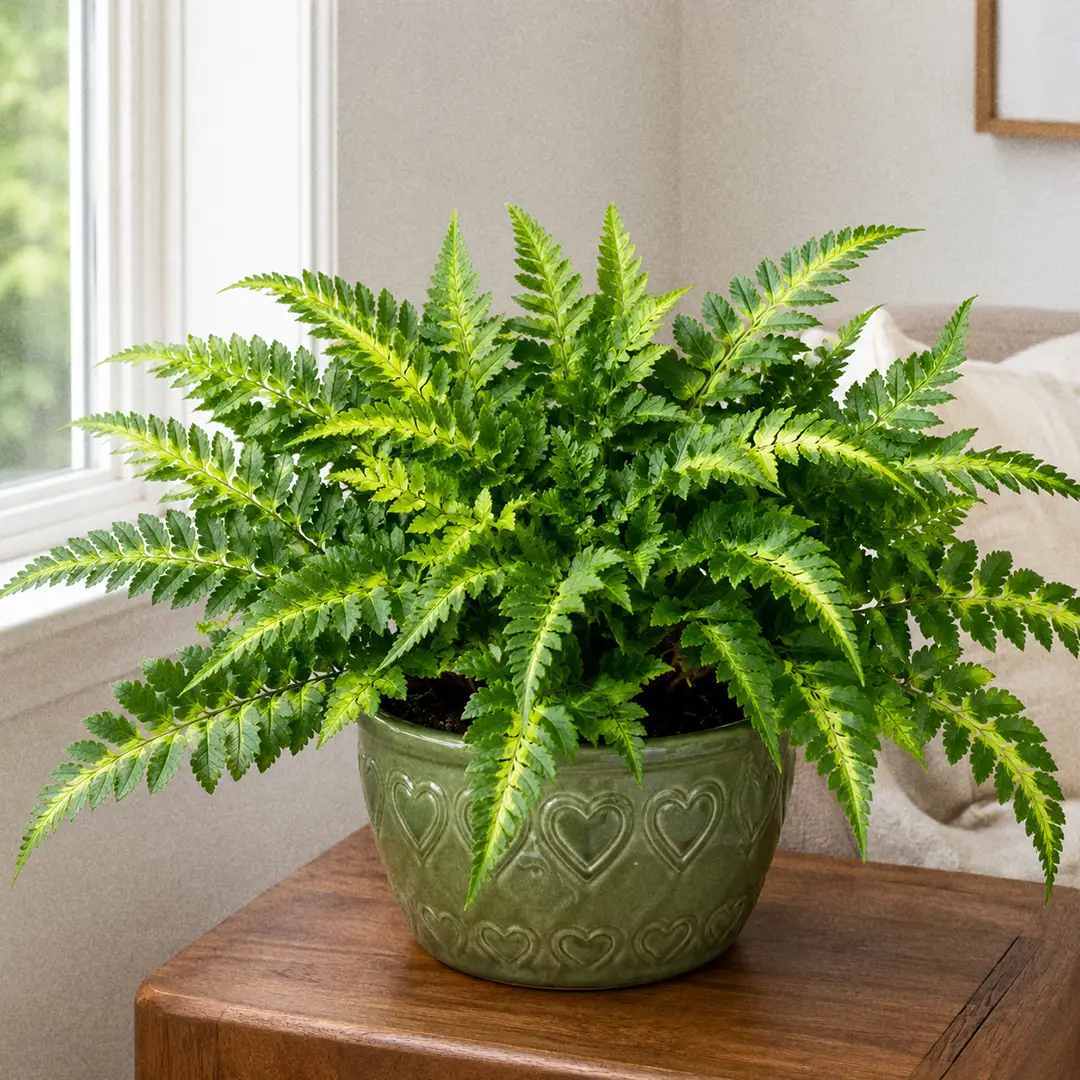
Complete Guide to East Indian Holly Fern Care and Growth
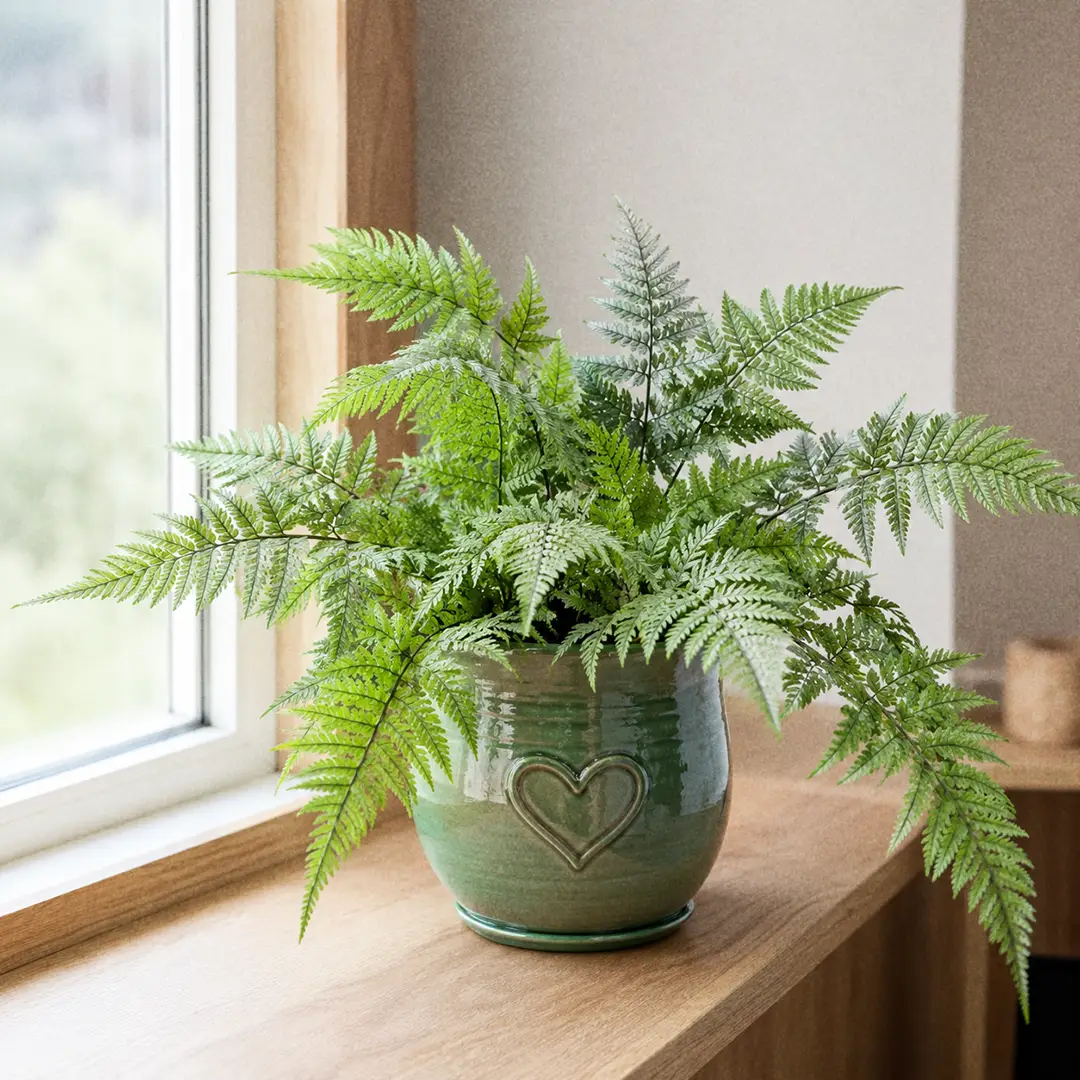
Complete Guide to Korean Rock Fern Care and Growth
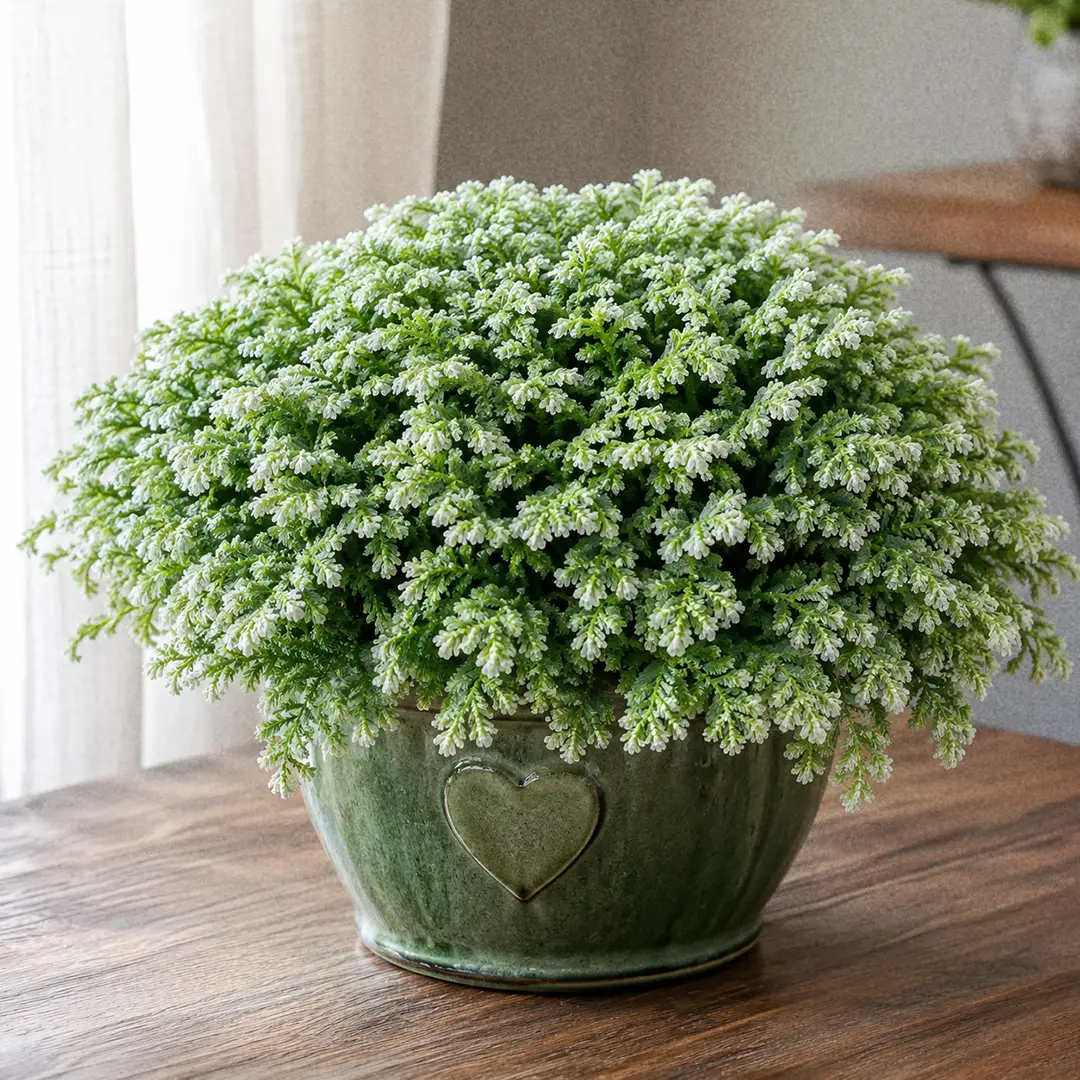
Complete Guide to Frosty Fern Care and Growth
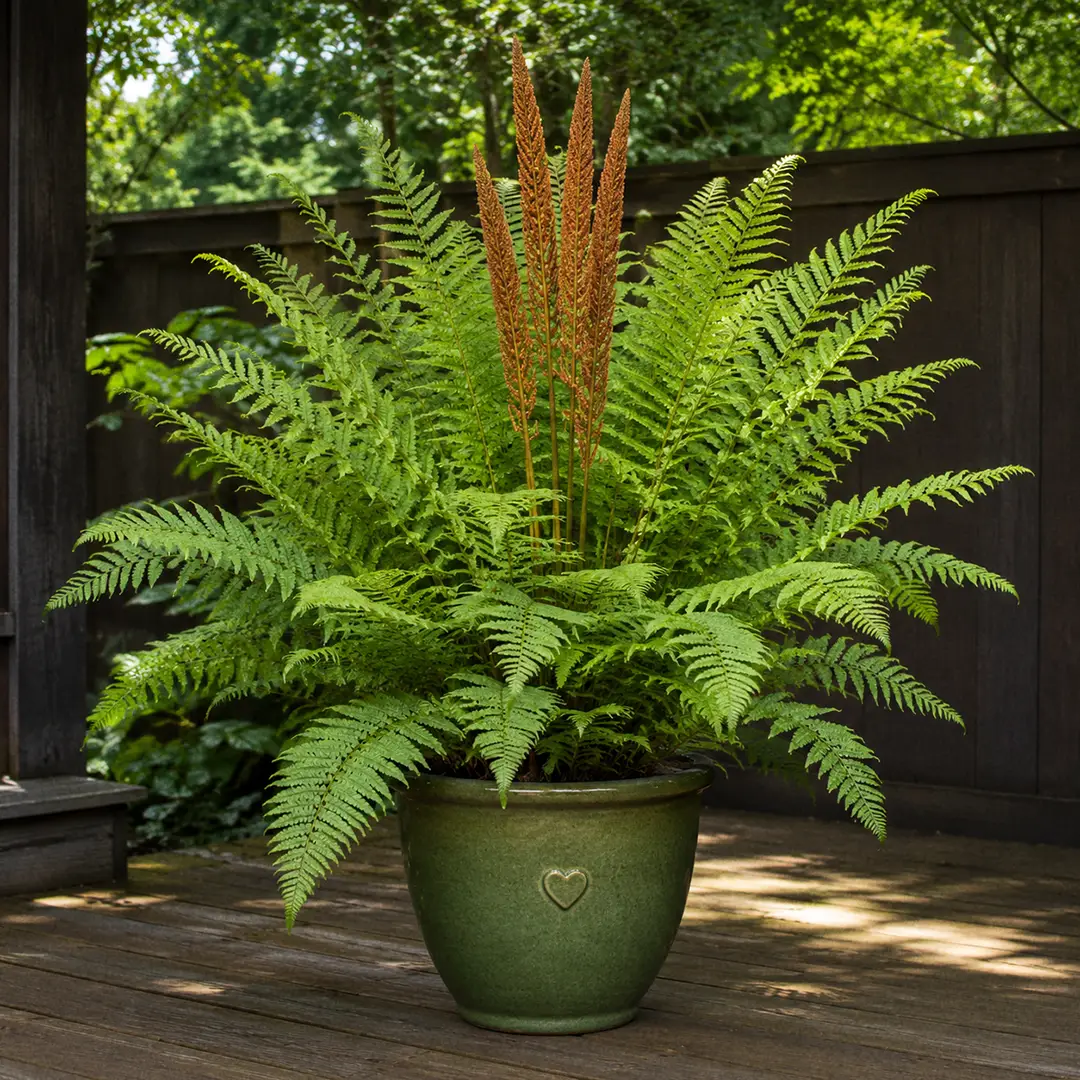
Complete Guide to Cinnamon Fern Care and Growth
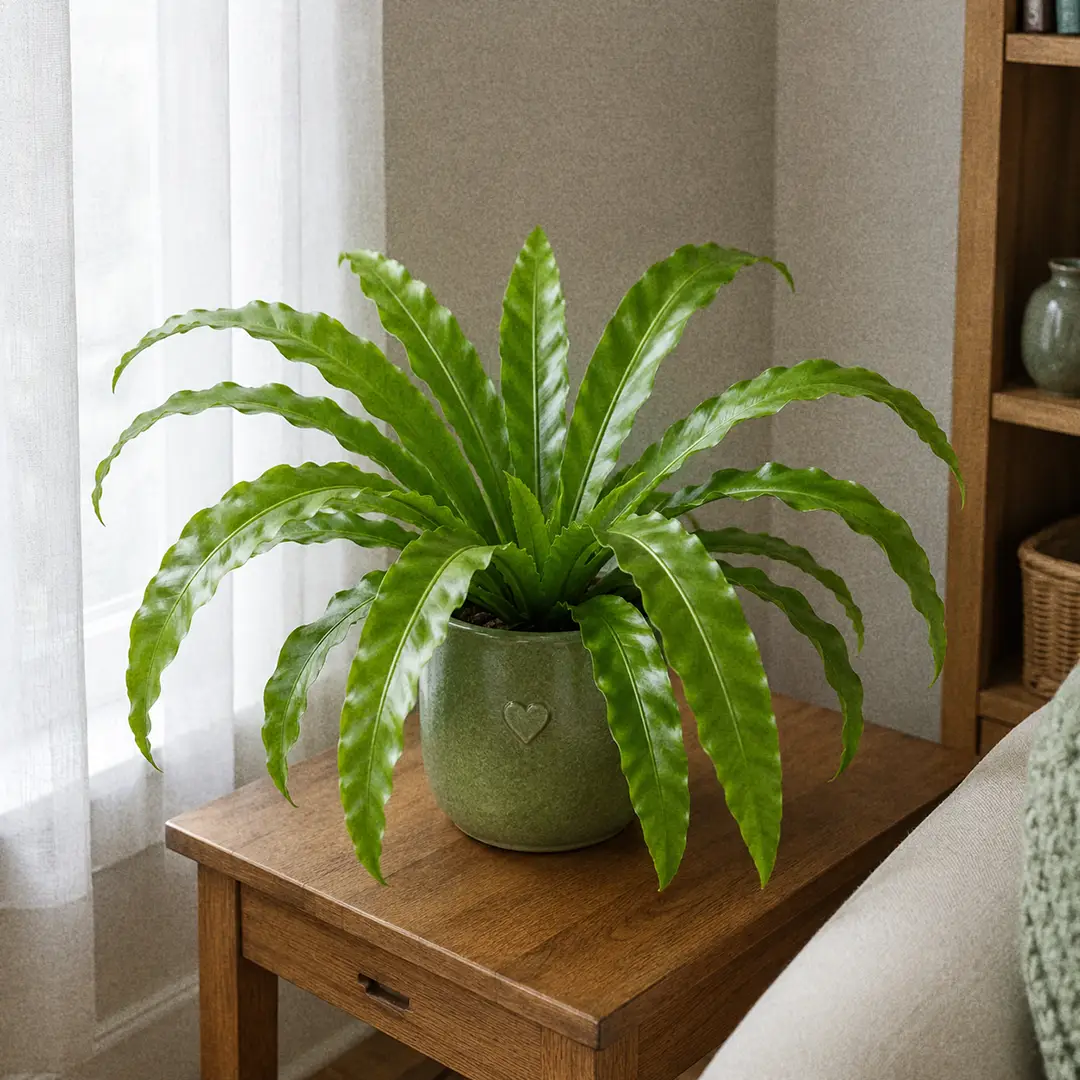
Complete Guide to Hart's Tongue Fern Care and Growth
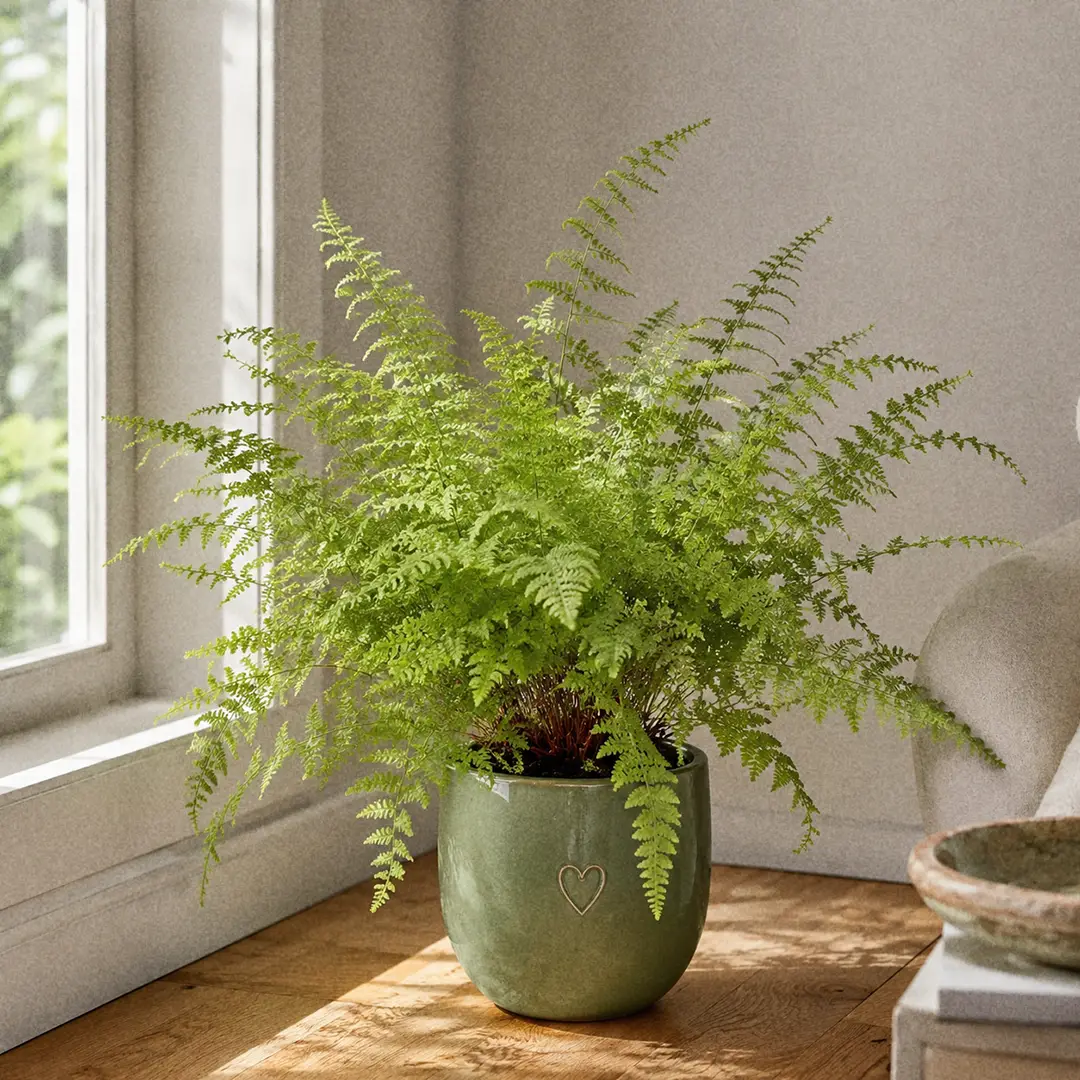
Complete Guide to Lady Fern Care and Growth
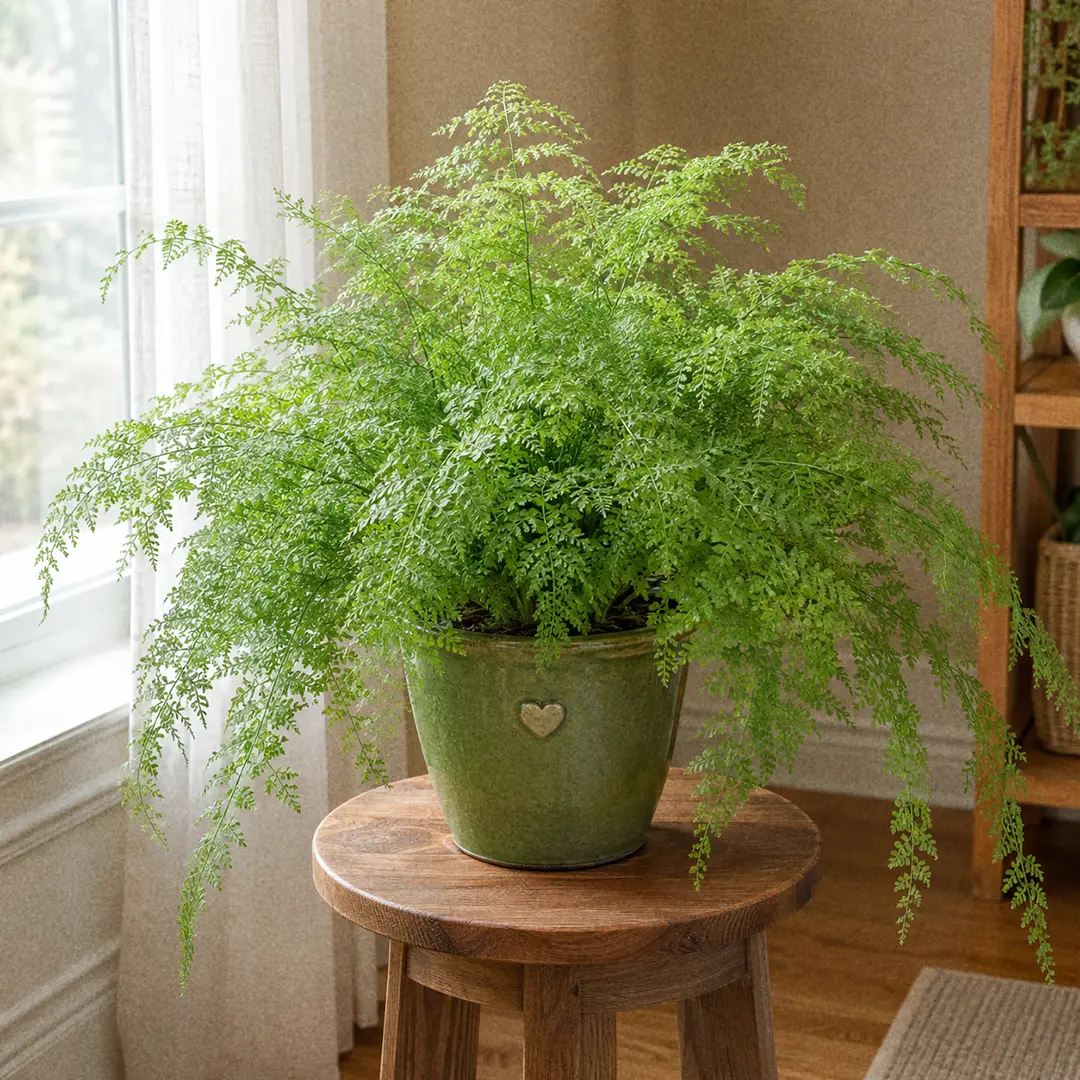
Complete Guide to Mother Fern Care and Growth

Houseplant101 Forum
Questions & Comments
Ask a question, share your plant experience, or help other plant owners.
Comments are temporarily unavailable.
Open the Houseplant101 ForumNo comments yet
Be the first to ask a question or share your experience about this page.
Log in or create an account
Comments use your Houseplant101 Forum account, but you can stay on this page.
Create a new account