
How to Fertilize Houseplants: A Simple Guide for Beginners
Learn when, what, and how to fertilize your houseplants for lush growth. Our simple guide helps you decode fertilizer labels and avoid common mistakes like fertilizer burn.
Core Foundations: Feed safely without burning roots or leaves.
🪴 In This Guide 🪴

🤔 Why Do Houseplants Need Fertilizer?
In nature, plants get a constant supply of nutrients from decaying organic matter. But a houseplant in a pot has a very limited amount of soil, and with every watering, some of those nutrients are washed away.
After a few months, the plant has used up most of the food available in its pot. Fertilizer is simply a way to replenish those essential nutrients that the plant needs to build new leaves, strong roots, and beautiful flowers. It's not a substitute for proper light and water, but a vital supplement for long-term health.
🔢 Decoding the Label: What is N-P-K?
Every fertilizer package has three numbers on it, like 10-10-10 or 5-10-5. These represent the percentage of the three most important macronutrients. Here's a simple way to remember what they do:
- N - Nitrogen: Think "Up." Nitrogen promotes lush, leafy green growth. It's for the stems and leaves.
- P - Phosphorus: Think "Down & All Around." Phosphorus supports strong root development, flowering, and fruiting.
- K - Potassium: Think "Overall Health." Potassium helps the plant's overall functions, like regulating water and fighting off diseases.
For most houseplants, a balanced fertilizer where the numbers are equal (like 10-10-10) is a perfect all-purpose choice.

✨ Types of Fertilizer
You'll generally find two main types for indoor use. Both are effective, so choose what fits your routine.
1. Liquid Fertilizer
This is the most common type for houseplants. It's a concentrate that you mix with water before applying.
- Pros: Fast-acting, easy to control the strength.
- Cons: You have to remember to do it regularly.
2. Slow-Release Fertilizer
These come in the form of granules or spikes that you mix into the soil or sprinkle on top. They slowly break down and release nutrients over a period of several months.
- Pros: "Set it and forget it." One application can last for a whole growing season.
- Cons: Harder to control the release; not ideal if you have pets or kids who might disturb the soil.

🥇 The Golden Rules of Fertilizing
Follow these simple rules to fertilize safely and effectively.
Rule 1: Fertilize Only During the Growing Season
Most houseplants actively grow in the spring and summer. This is when they need extra fuel. In the fall and winter, they go dormant and rest. Do not fertilize a dormant plant.
Looking for seasonal timing tips? See our Autumn Houseplant Care Checklist for what to pause (and what to keep) once days get shorter.
Rule 2: Less is More - Dilute, Dilute, Dilute!
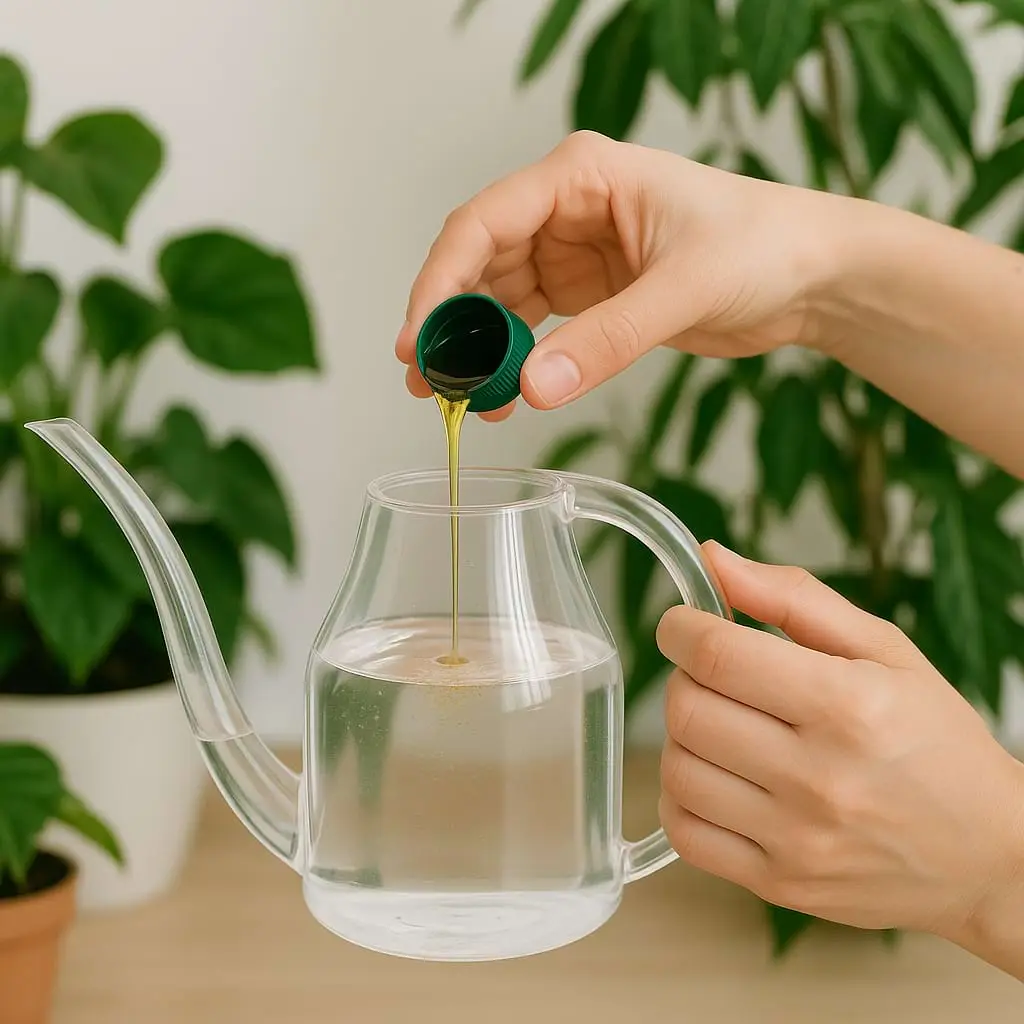
The #1 cause of fertilizer burn is using too much. The safest approach is to use half the recommended strength on the product label. A good motto is "weakly, weekly"-a very weak dilution fed more often is safer than a strong dose fed rarely.
Rule 3: Water First, Fertilize Second
Never apply fertilizer to bone-dry soil. This will scorch the roots. Always water your plant thoroughly with plain water first, then apply your diluted fertilizer solution. This protects the delicate roots.
⚠️ Signs of Trouble
Your plant will tell you if you're getting it wrong.
Signs of Over-Fertilizing
- A white, crusty salt buildup on the soil surface or pot rim.
- Dark brown or black, crispy leaf tips and edges (fertilizer burn).
- Sudden leaf drop or wilting, even when watered correctly.
- Stunted growth.


🪴 See also 🪴
How to Water Houseplants: The Ultimate Beginner's Guide
The Ultimate Guide to Houseplant Propagation: Create New Plants for Free!
How to Propagate Succulents from Leaves & Offsets
Succulent Care Indoors: How to Stop Killing Jade and Echeveria
How to Propagate Plants Directly in Soil: A Beginner's Guide
The Complete Guide to Dividing Houseplants: Refresh and Multiply
An Introduction to Air Layering for Indoor Trees
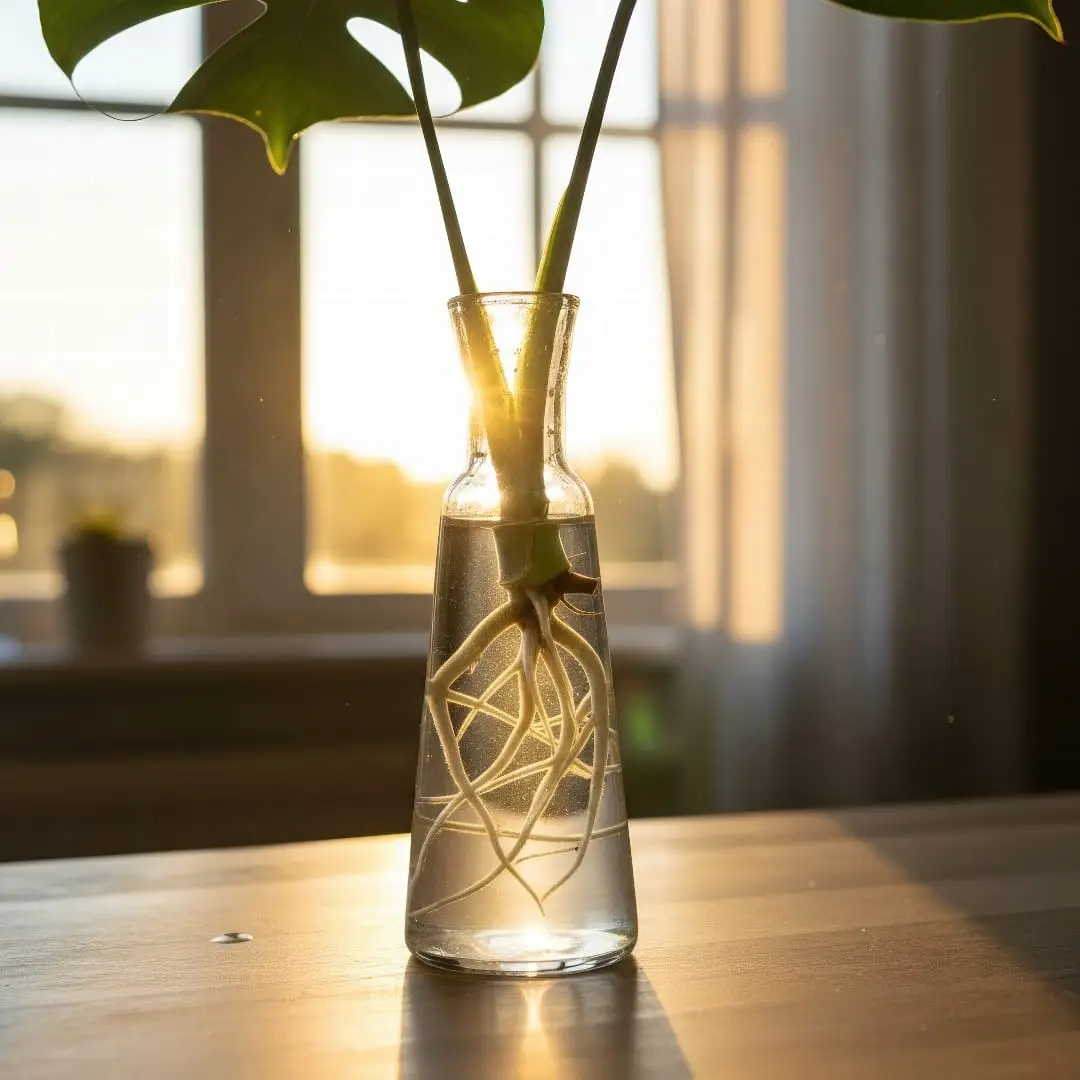
A Step-by-Step Guide to Propagating Plants in Water
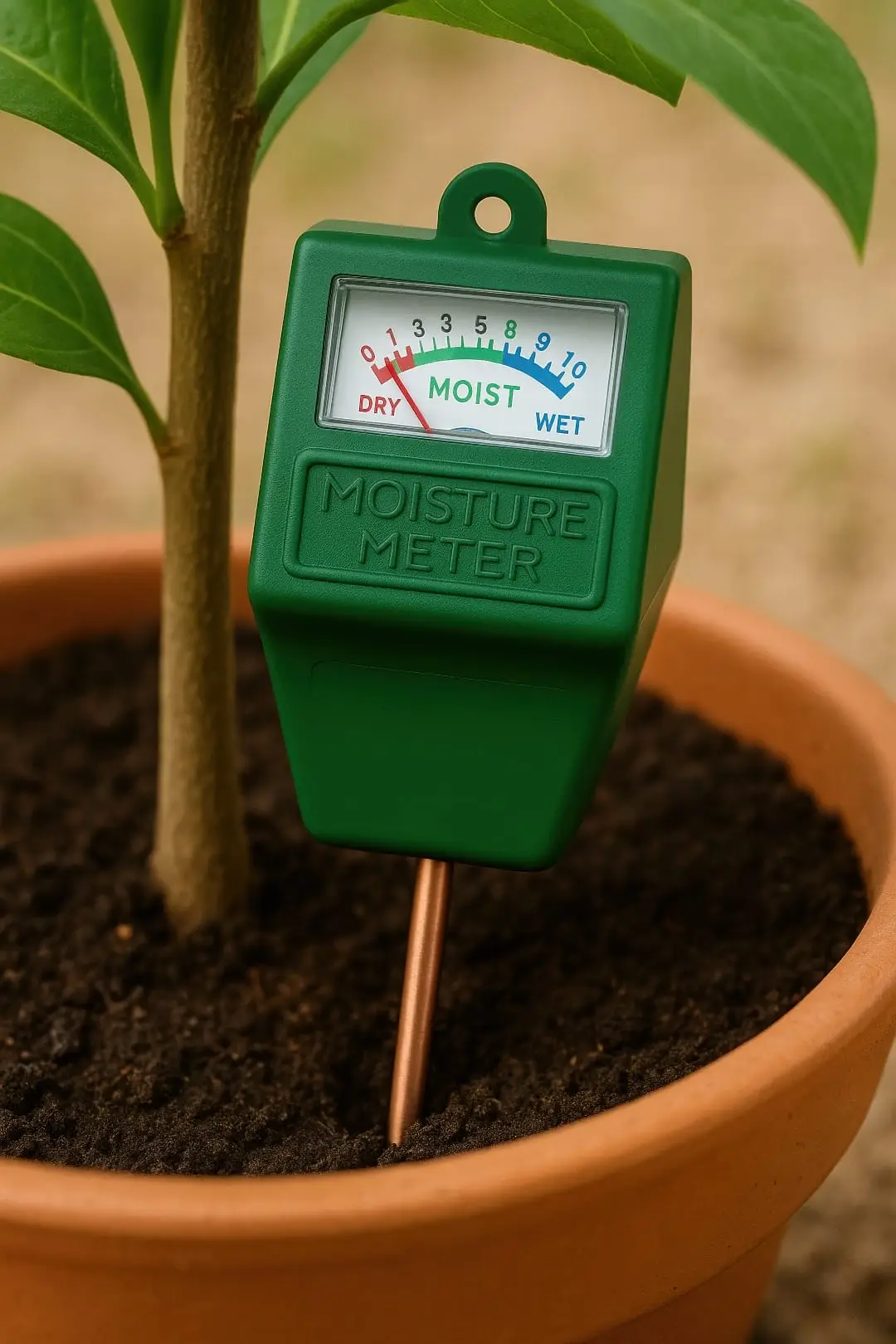
How to Use a Moisture Meter (and Never Overwater Again)
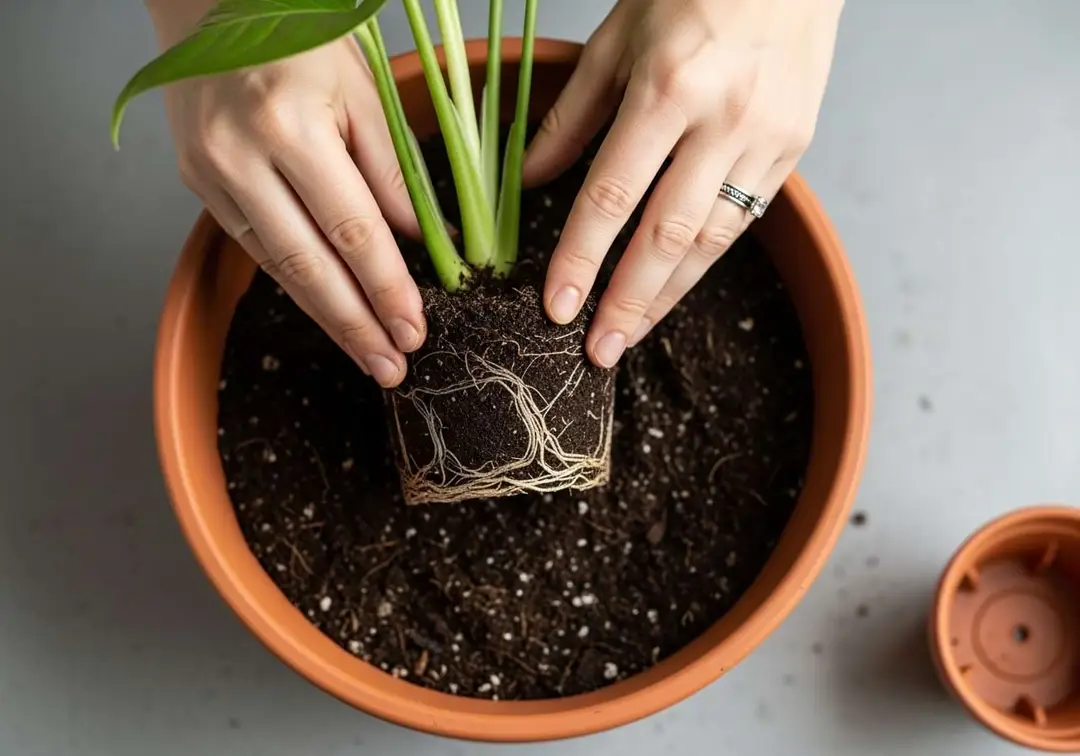
How to Repot a Houseplant Without Killing It (Step-by-Step Guide)

Houseplant Light Guide: How to Find the Perfect Spot for Your Plant
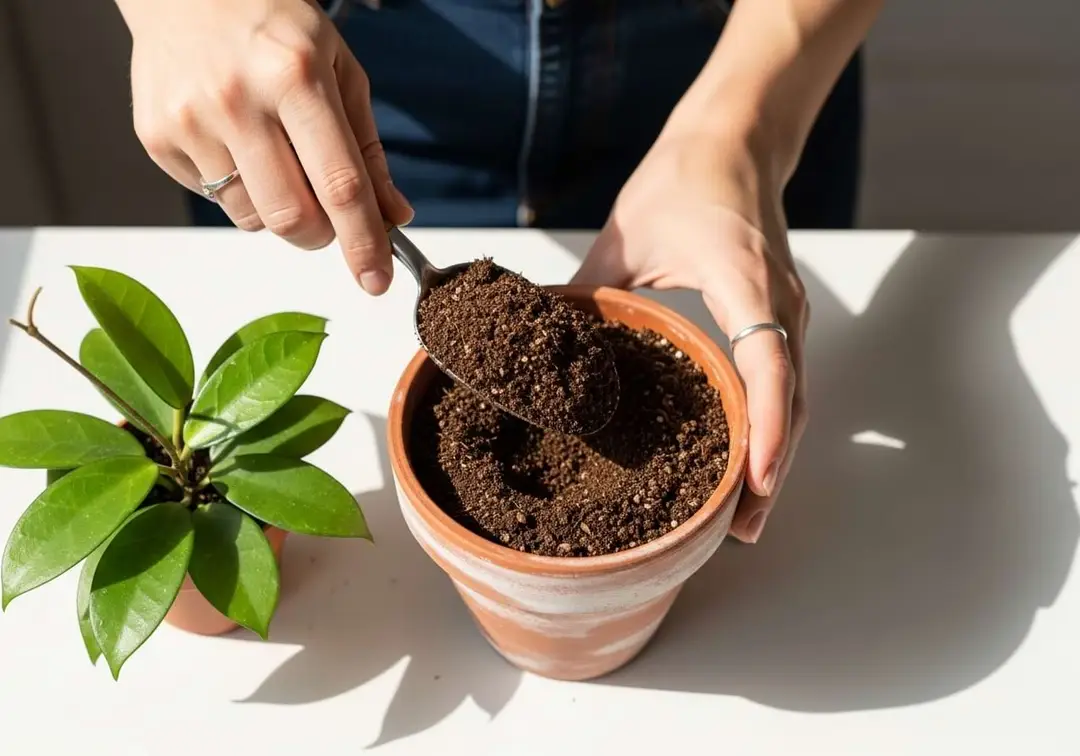
Choosing the Right Potting Mix: A Beginner's Soil Guide
The Essential Houseplant Care Checklist & Routine

Houseplant101 Forum
Questions & Comments
Ask a question, share your plant experience, or help other plant owners.
Comments are temporarily unavailable.
Open the Houseplant101 ForumNo comments yet
Be the first to ask a question or share your experience about this page.
Log in or create an account
Comments use your Houseplant101 Forum account, but you can stay on this page.
Create a new account