
The Complete Guide to Dividing Houseplants: Refresh and Multiply
Our easy, step-by-step guide shows you how to divide overgrown houseplants. Learn when to divide, how to safely separate the root ball, and how to care for your new plants.
Propagation Path: Split clumping plants cleanly.
🪴 In This Guide 🪴

🌿 Which Plants Can Be Divided?
This method works for plants that naturally grow in clumps or spread via underground runners (rhizomes), sending up multiple stems from the soil. You can't divide a plant with a single main stem, like a Fiddle Leaf Fig.
Top Candidates for Division
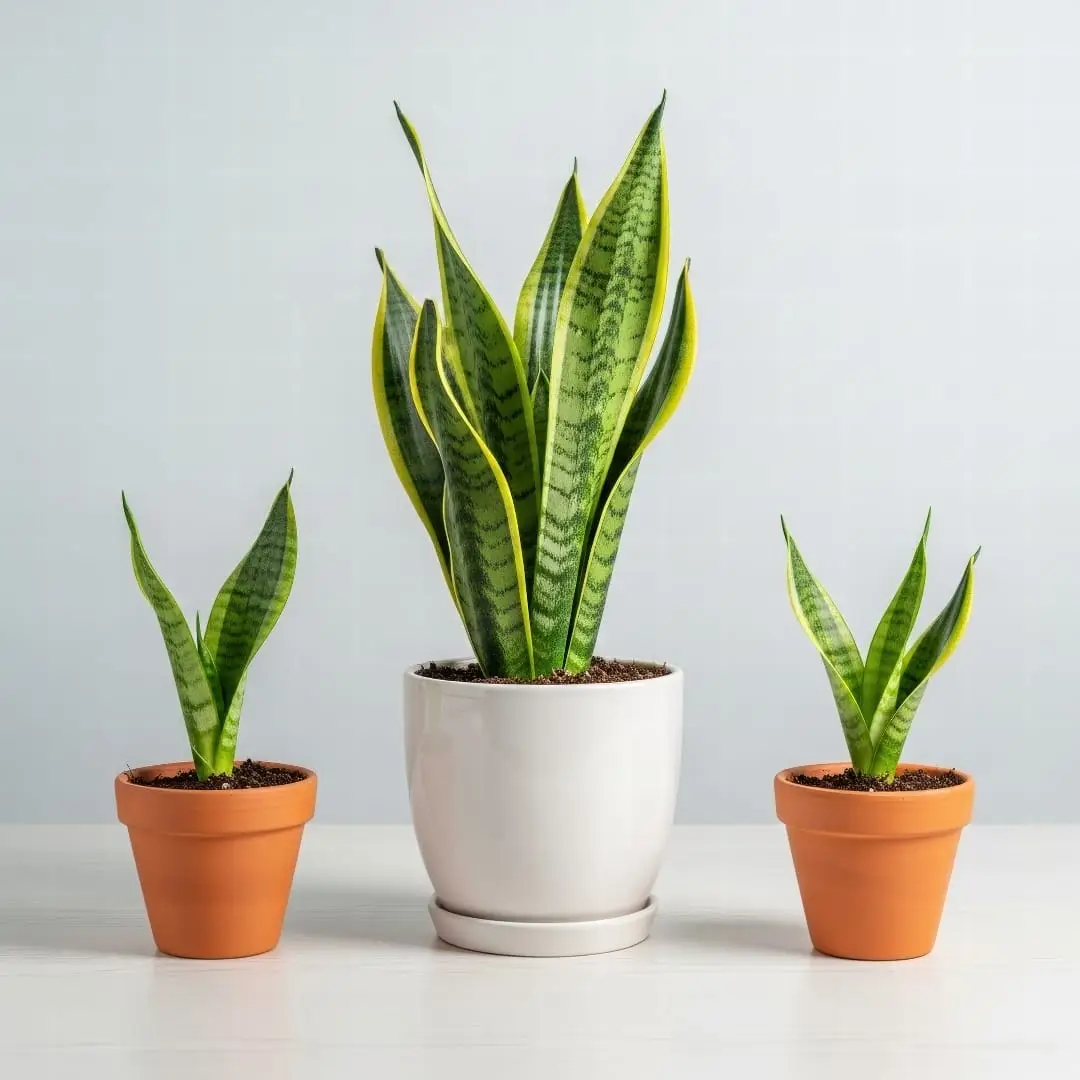
- Sansevieria (Snake Plant): Sends up new "pups" from underground rhizomes that are easy to separate.
- Calathea (Prayer Plant) & Maranta: These grow in distinct clumps from the soil, making them easy to tease apart.
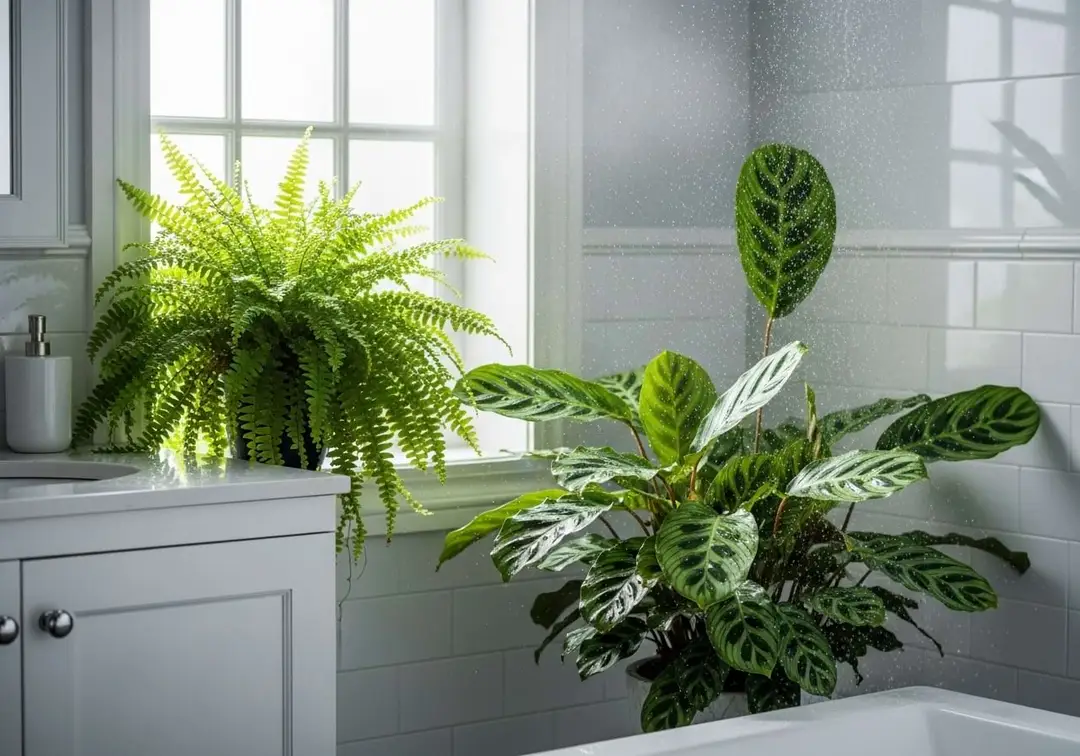
- Ferns: Boston Ferns, Maidenhair Ferns, Bird's Nest Ferns, and compact clump-formers like Button Fern all divide well when mature. Creeping rhizome ferns like Blue Star Fern are also great candidates because the natural split points are easy to see.
- Spathiphyllum (Peace Lily): Forms a thick clumping base that benefits from being thinned out.
- Tradescantia spathacea (Boat Lily): Builds dense basal offsets that can be separated into ready-made new plants when the clump outgrows its pot.
- Zamioculcas zamiifolia (ZZ Plant): The thick, potato-like rhizomes can be separated to create new plants.
- Aspidistra (Cast Iron Plant): A slow grower, but its clumping nature makes division straightforward.
- Chlorophytum comosum (Spider Plant): While you can pot up its "spiderettes," you can also divide the main mother plant.

🛠️ How to Divide Your Plant in 5 Steps
Grab some fresh potting soil and a few new pots. This can get a little messy, so it's a great activity to do outdoors or on a covered surface.
Step 1: Unpot the Plant
Carefully remove the entire plant from its current pot. It helps to turn the pot on its side and gently squeeze or tap the sides to loosen the soil. Hold the base of the stems and gently slide the entire root ball out. If it's really stuck, you can run a butter knife around the inside edge of the pot.

Step 2: Clean and Inspect the Roots
Gently shake and massage the root ball to remove as much of the old soil as possible. This allows you to get a clear look at the root structure. You'll be able to see the natural points where the plant has formed separate clumps or crowns.
Step 3: Separate the Clumps
This is the main event. Start by using your fingers to gently tease the root clumps apart. Often, a plant will separate into a few distinct sections quite easily.
If the roots are densely tangled, you may need to use a clean, sharp knife or a hori hori to make clean cuts through the root ball. The most important rule is to ensure each new division has a healthy share of both stems/leaves and roots. A division with lots of leaves but very few roots will struggle to survive.

Step 4: Prune the Roots (Optional)
Once you have your new divisions, inspect their roots. You can use your clean scissors to trim off any roots that are dead, mushy, or excessively long and circling. This encourages fresh, healthy new root growth.
Step 5: Repot in Fresh Soil
Pot each of your new divisions into its own appropriately sized container. Choose a pot that is just an inch or two wider than the new root ball. Using a pot that's too large can lead to root rot. Fill with fresh, appropriate potting mix, water them in thoroughly, and you're done!

💚 Aftercare: Helping Them Settle In
Your newly divided plants have just gone through a stressful surgery! A little transplant shock is normal. For the first few weeks:
- Avoid Direct Sun: Place them in a spot with slightly less light than they are used to. This reduces stress while the roots recover.
- Maintain Moisture: Keep the soil consistently moist, but not waterlogged. The roots need water to re-establish, but can't handle sitting in a swamp.
- Hold the Fertilizer: Wait at least a month before fertilizing. The fresh potting mix has plenty of nutrients, and you don't want to burn the sensitive, recovering roots.
Soon, you'll be rewarded with new growth, a sign that your divisions have happily settled into their new homes.
🪴 See also 🪴
How to Water Houseplants: The Ultimate Beginner's Guide
The Ultimate Guide to Houseplant Propagation: Create New Plants for Free!
How to Propagate Succulents from Leaves & Offsets
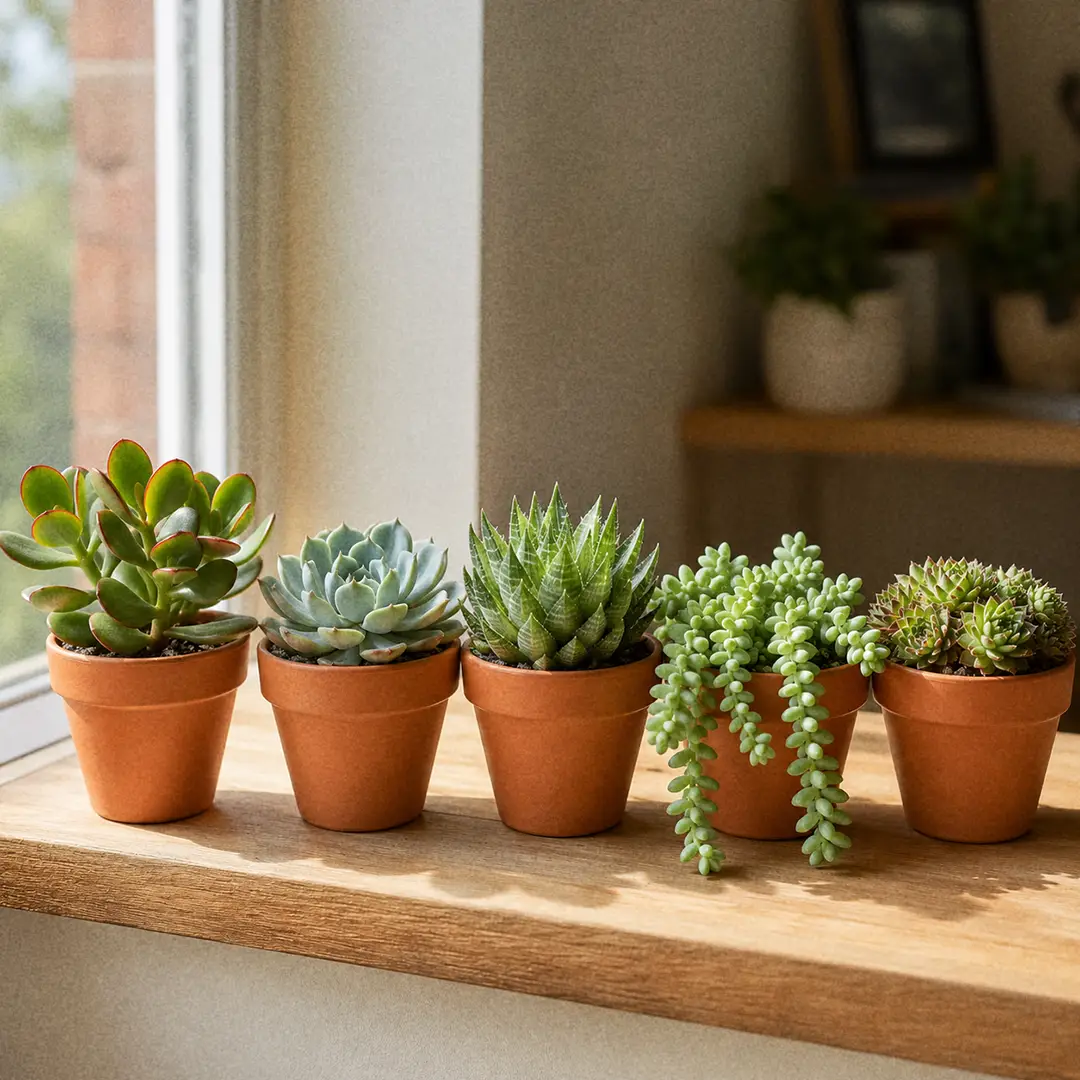
Succulent Care Indoors: How to Stop Killing Jade and Echeveria
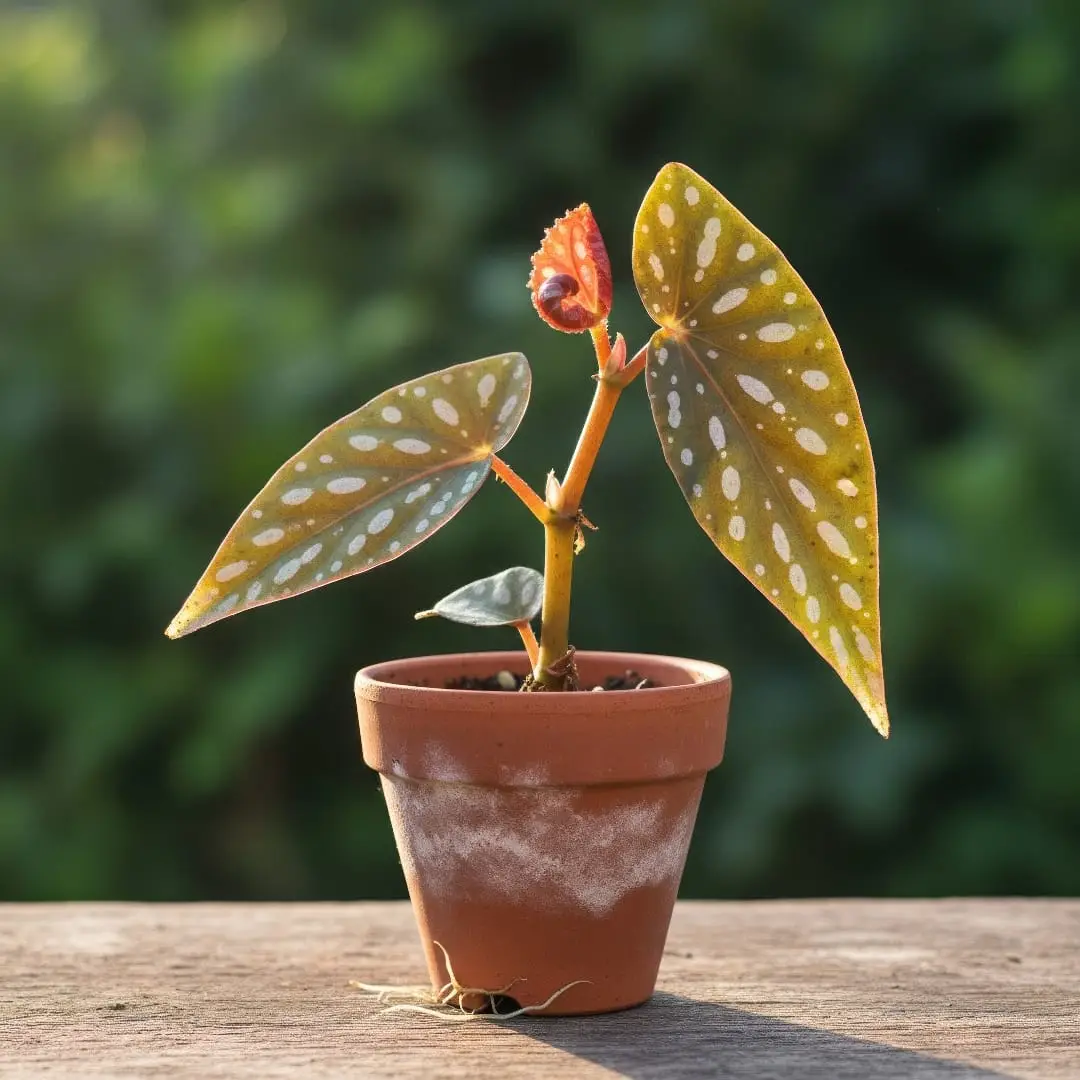
How to Propagate Plants Directly in Soil: A Beginner's Guide
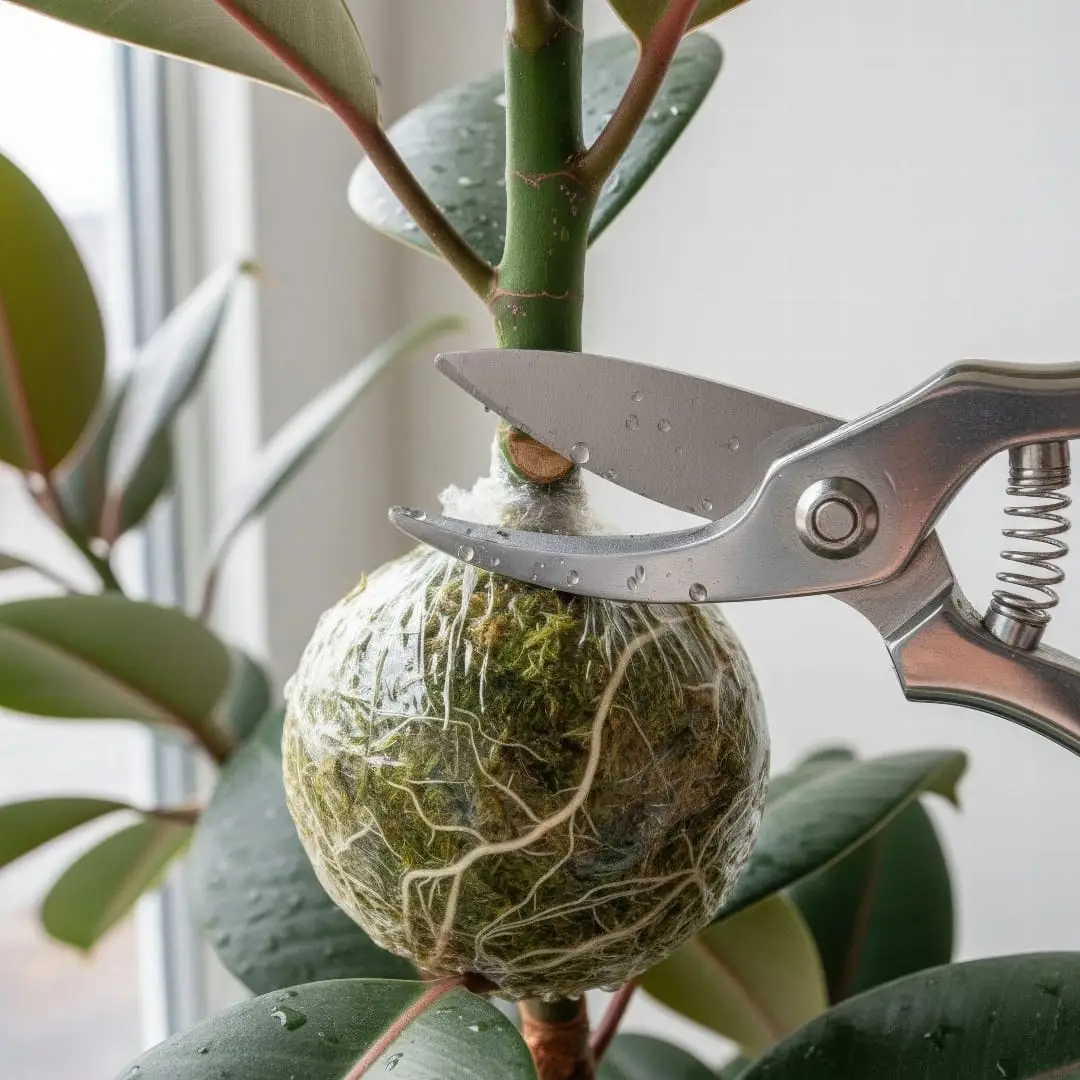
An Introduction to Air Layering for Indoor Trees
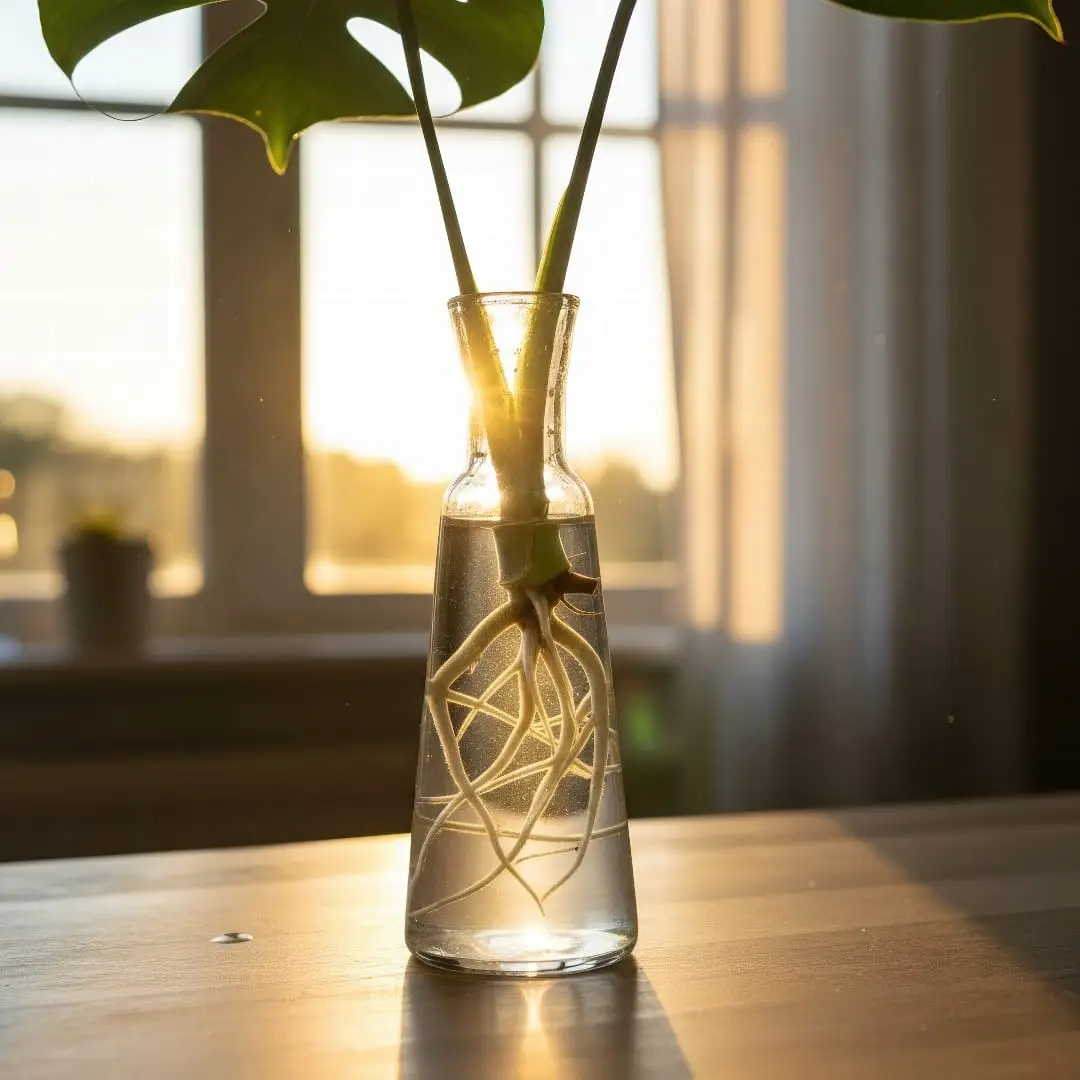
A Step-by-Step Guide to Propagating Plants in Water
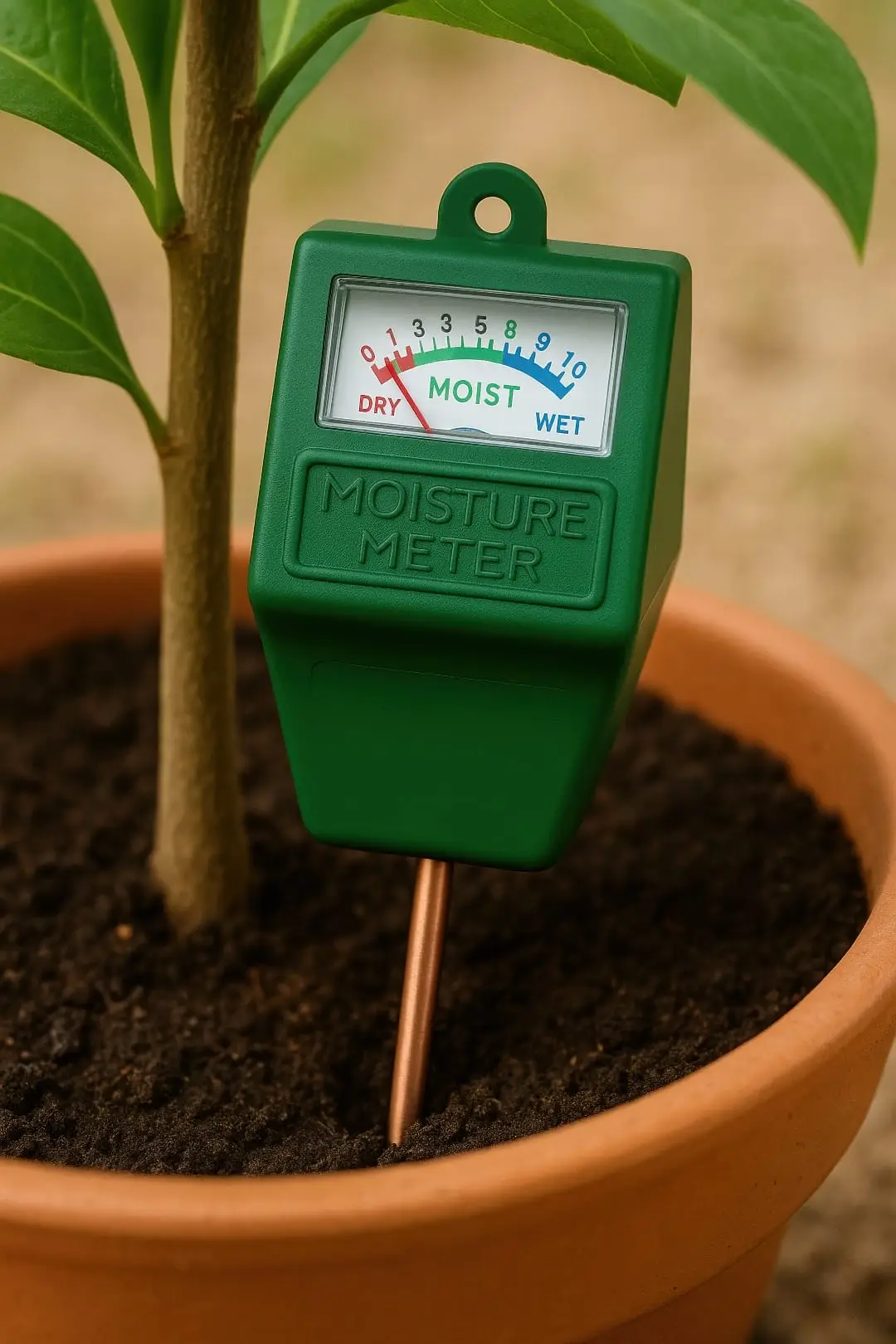
How to Use a Moisture Meter (and Never Overwater Again)
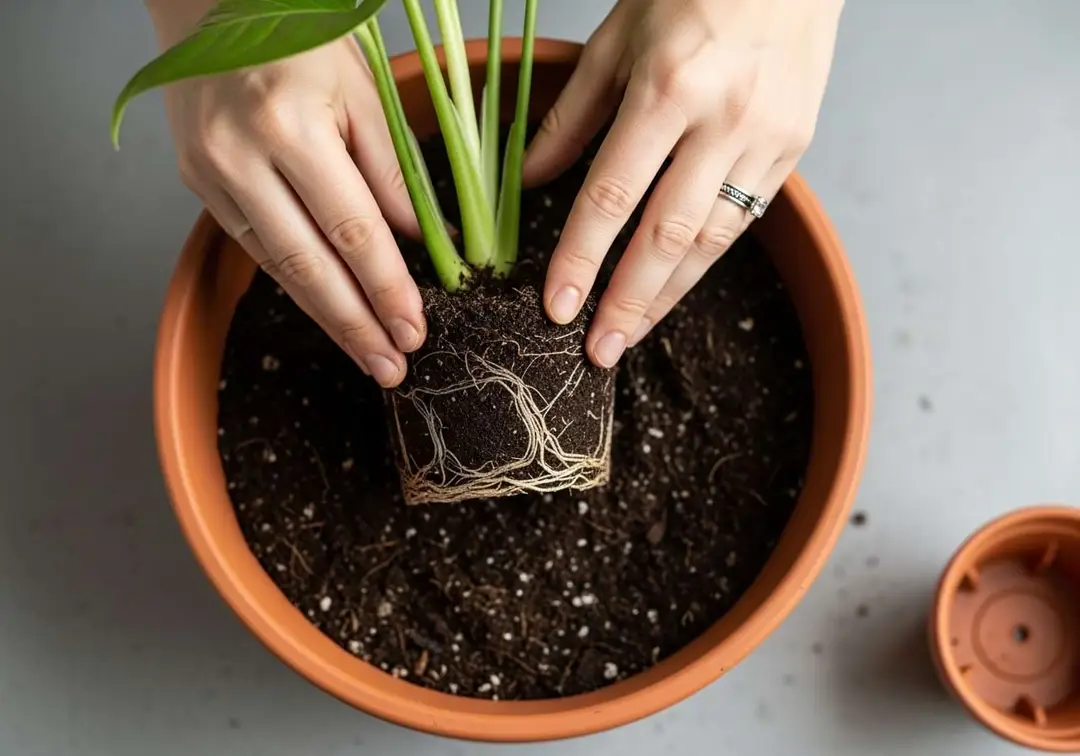
How to Repot a Houseplant Without Killing It (Step-by-Step Guide)

Houseplant Light Guide: How to Find the Perfect Spot for Your Plant
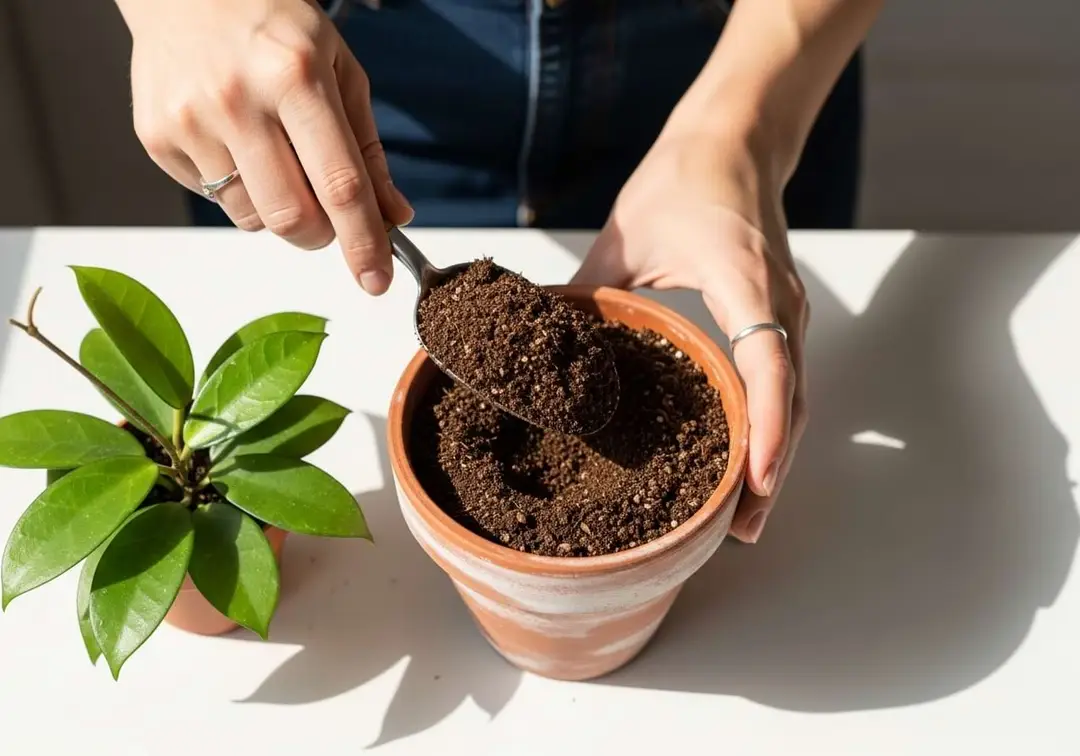
Choosing the Right Potting Mix: A Beginner's Soil Guide
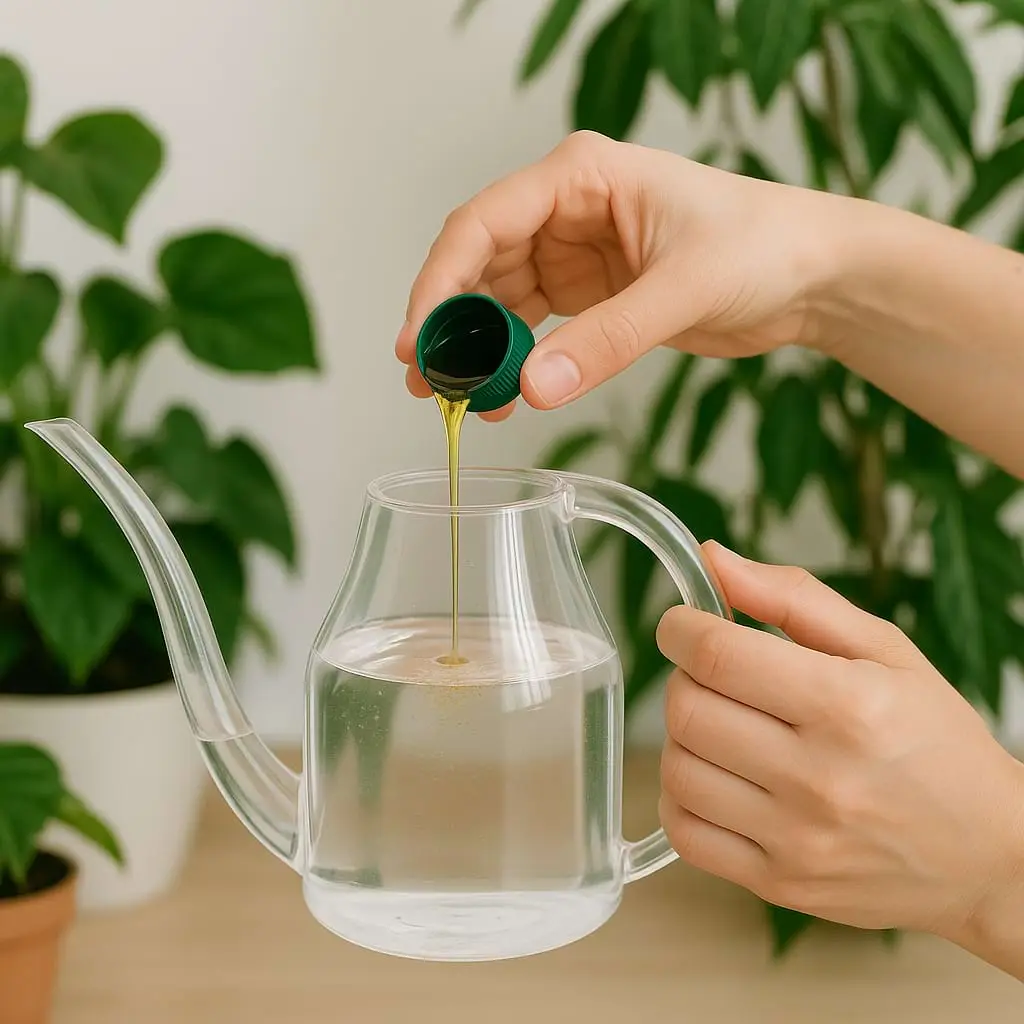
How to Fertilize Houseplants: A Simple Guide for Beginners

The Essential Houseplant Care Checklist & Routine

Houseplant101 Forum
Questions & Comments
Ask a question, share your plant experience, or help other plant owners.
Comments are temporarily unavailable.
Open the Houseplant101 ForumNo comments yet
Be the first to ask a question or share your experience about this page.
Log in or create an account
Comments use your Houseplant101 Forum account, but you can stay on this page.
Create a new account