
How to Propagate Plants Directly in Soil: A Beginner's Guide
Learn the simple and effective method of rooting houseplant cuttings directly in soil. Our step-by-step guide is perfect for plants like Snake Plants, Begonias, and more.
Propagation Path: Root cuttings directly in a potting mix.
🪴 In This Guide 🪴

🌿 The Best Plants for Soil Propagation
This method is perfect for plants with sturdy stems or fleshy leaves that store a lot of water. These types are often more susceptible to rotting in a jar of water, making soil the safer bet.
Top Candidates for Your Pot
- Sansevieria (Snake Plant): Famously easy. You can propagate from a single leaf section.
- Zamioculcas zamiifolia (ZZ Plant): Incredibly resilient. Both stem and individual leaf cuttings will work, though they require patience.
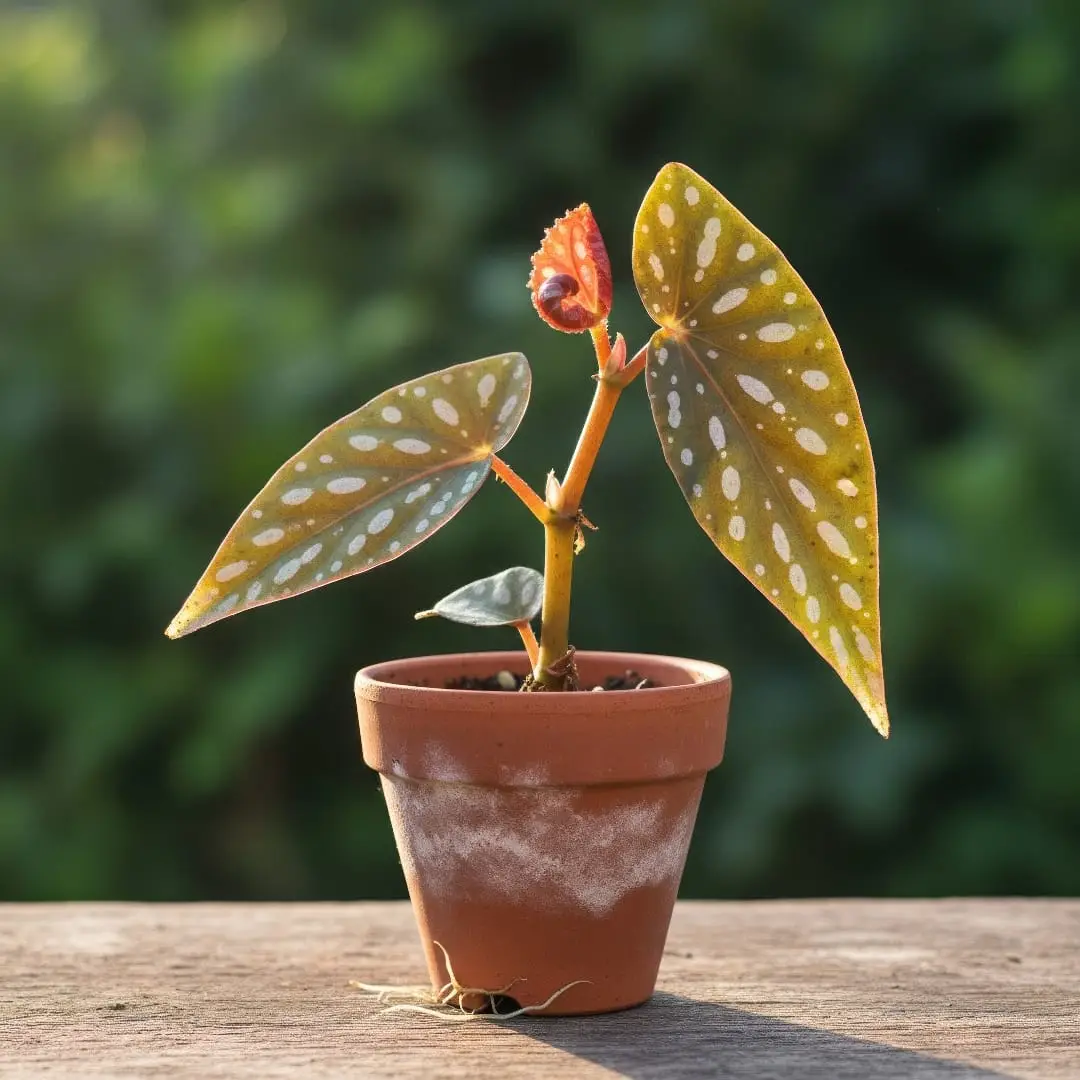
- Begonia: Many varieties, especially Cane Begonias (like Begonia maculata) and Rex Begonias, root well from stem or leaf cuttings.
- Ficus (Rubber Plant, Fiddle Leaf Fig): A sturdy stem cutting with a node will root well in soil, especially with rooting hormone.
- Crassula ovata (Jade Plant): Both stem and leaf cuttings take to soil with ease.
- African Violets: A single leaf with its petiole (stem) planted in soil will sprout a whole new crown.

🛠️ The 5 Steps to Soil Success
This process is straightforward and sets your new plant up for a strong, healthy life.
Step 1: Take a Healthy Cutting
Using a sterile blade or scissors, take a cutting from a healthy, mature plant.
- For stem cuttings (Rubber Plant, Begonia): Your cutting should be 4-6 inches long and have at least 2-3 leaves and a node near the bottom.
- For leaf cuttings (Snake Plant, ZZ Plant): You can use an entire leaf, or for Snake Plants, you can even cut a large leaf into several 2-3 inch sections. Just remember which end is the "bottom"!
Step 2: Let the Cutting 'Callous' (If Necessary)
This is a non-negotiable step for succulents and fleshy plants like Snake Plants and ZZs. Let your fresh cutting sit out in a dry, shady spot for 1-3 days. The cut end will dry and form a protective "scab" or callous. This seal prevents the cutting from absorbing too much water and rotting before it has a chance to grow roots. For woodier cuttings like a Ficus, this step isn't necessary. See also: Succulent Propagation.

Step 3: Dip in Rooting Hormone
While optional, rooting hormone can be a game-changer for soil propagation. It contains auxins (plant hormones) that encourage faster rooting and can protect against fungus. Simply dip the bottom inch of your calloused cutting into the rooting hormone powder and tap off any excess.

Step 4: Plant Your Cutting
Choose a small pot with drainage holes. Fill it with a light, well-draining potting mix (a seed-starting mix or a regular mix amended with lots of perlite is perfect). See our Soil Guide. Poke a hole in the soil with a pencil or your finger, then insert your cutting about 1-2 inches deep-just enough for it to stand upright. Gently firm the soil around it.
Step 5: Provide Gentle Aftercare
Water the soil lightly, just enough to make it moist but not soggy. Place the pot in a location with bright, indirect light. See the Light Guide.
The Humidity Trick: To create a humid microclimate that encourages rooting, you can place a clear plastic bag over the pot, propped up so it doesn't touch the leaves. Open the bag for an hour every day to allow for fresh air.
Resist the urge to overwater! Let the top inch of soil dry out before watering again. After 4-8 weeks, you can give a gentle tug to check for root resistance or, even better, you'll see the happy sign of new growth!

🪴 See also 🪴
How to Water Houseplants: The Ultimate Beginner's Guide
The Ultimate Guide to Houseplant Propagation: Create New Plants for Free!
How to Propagate Succulents from Leaves & Offsets
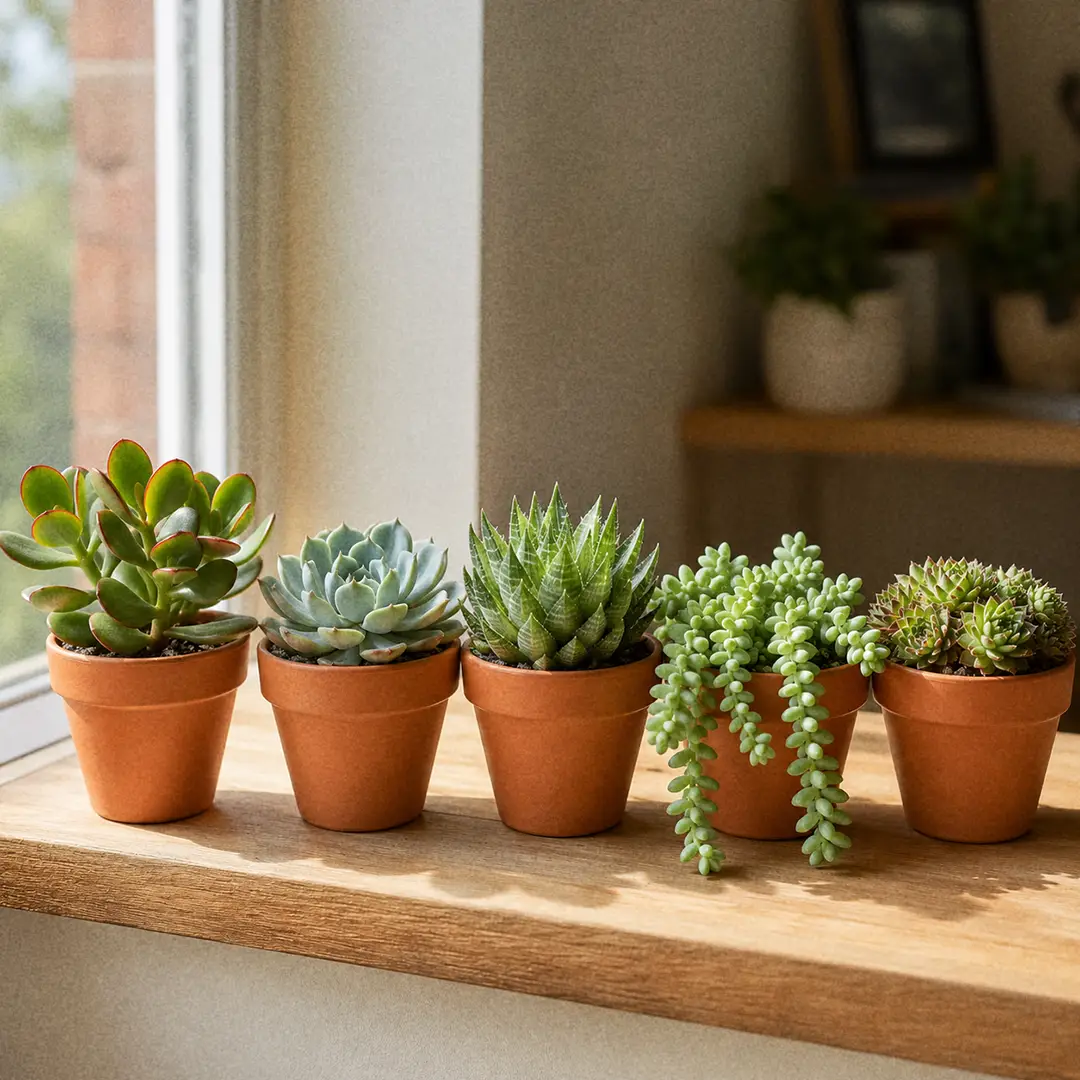
Succulent Care Indoors: How to Stop Killing Jade and Echeveria
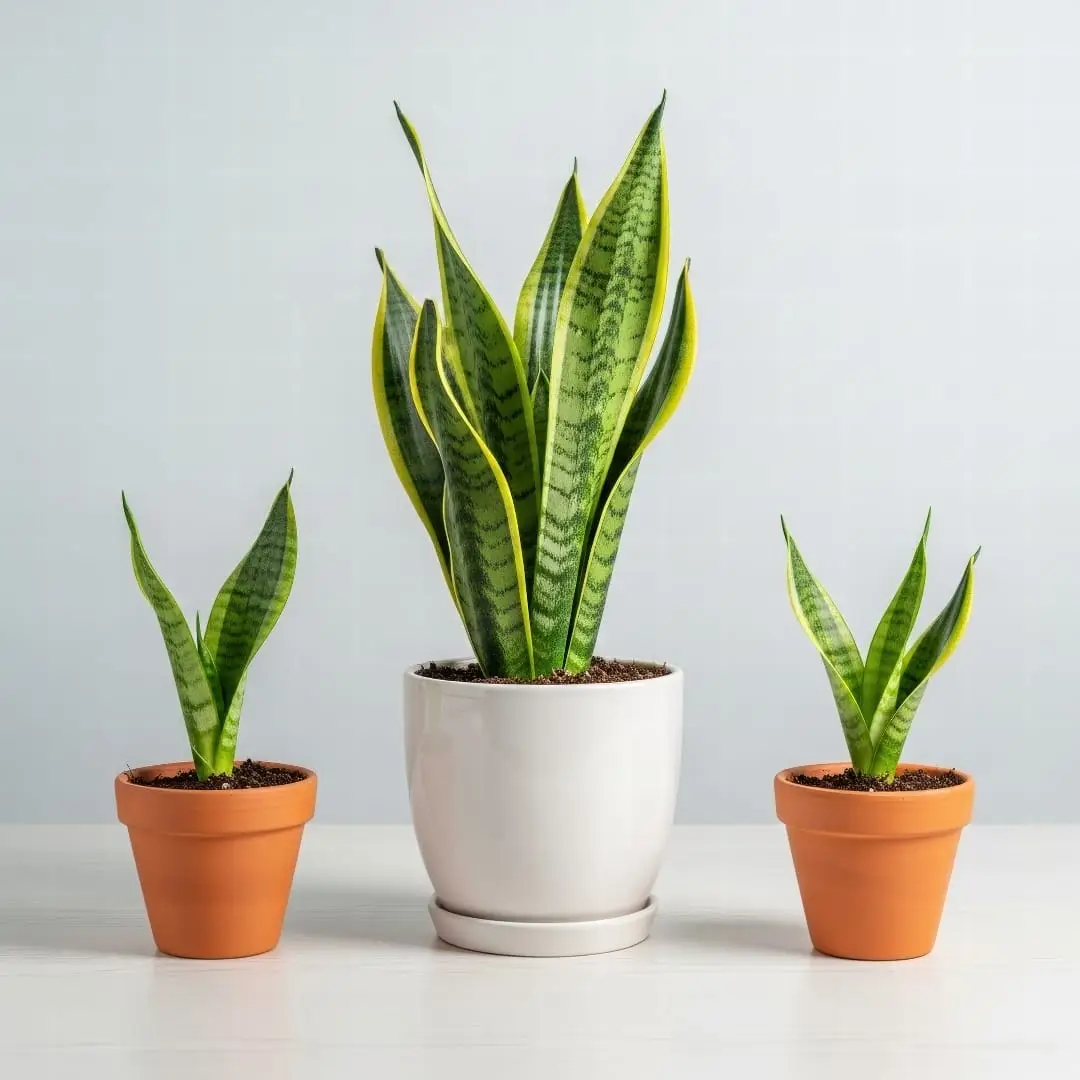
The Complete Guide to Dividing Houseplants: Refresh and Multiply
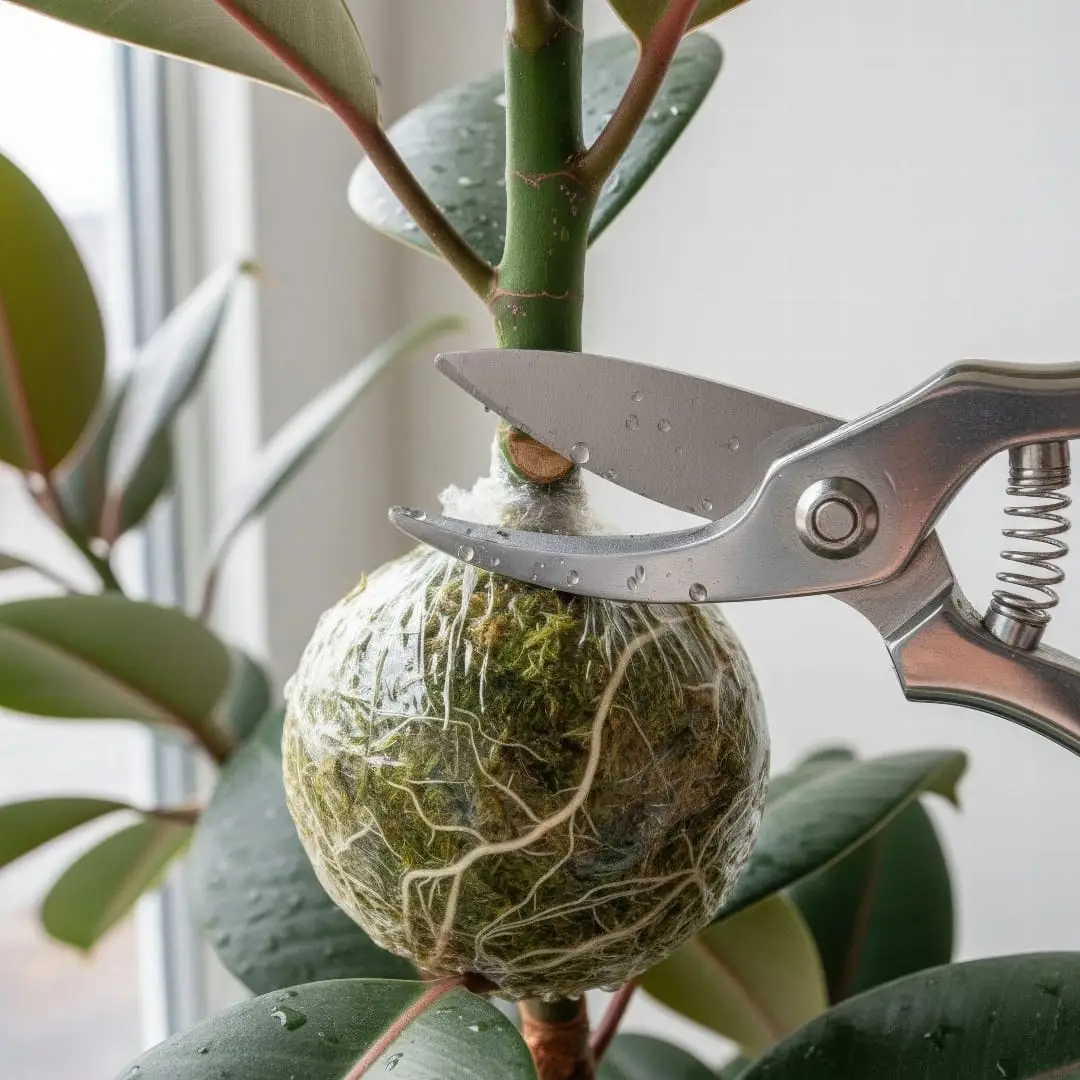
An Introduction to Air Layering for Indoor Trees
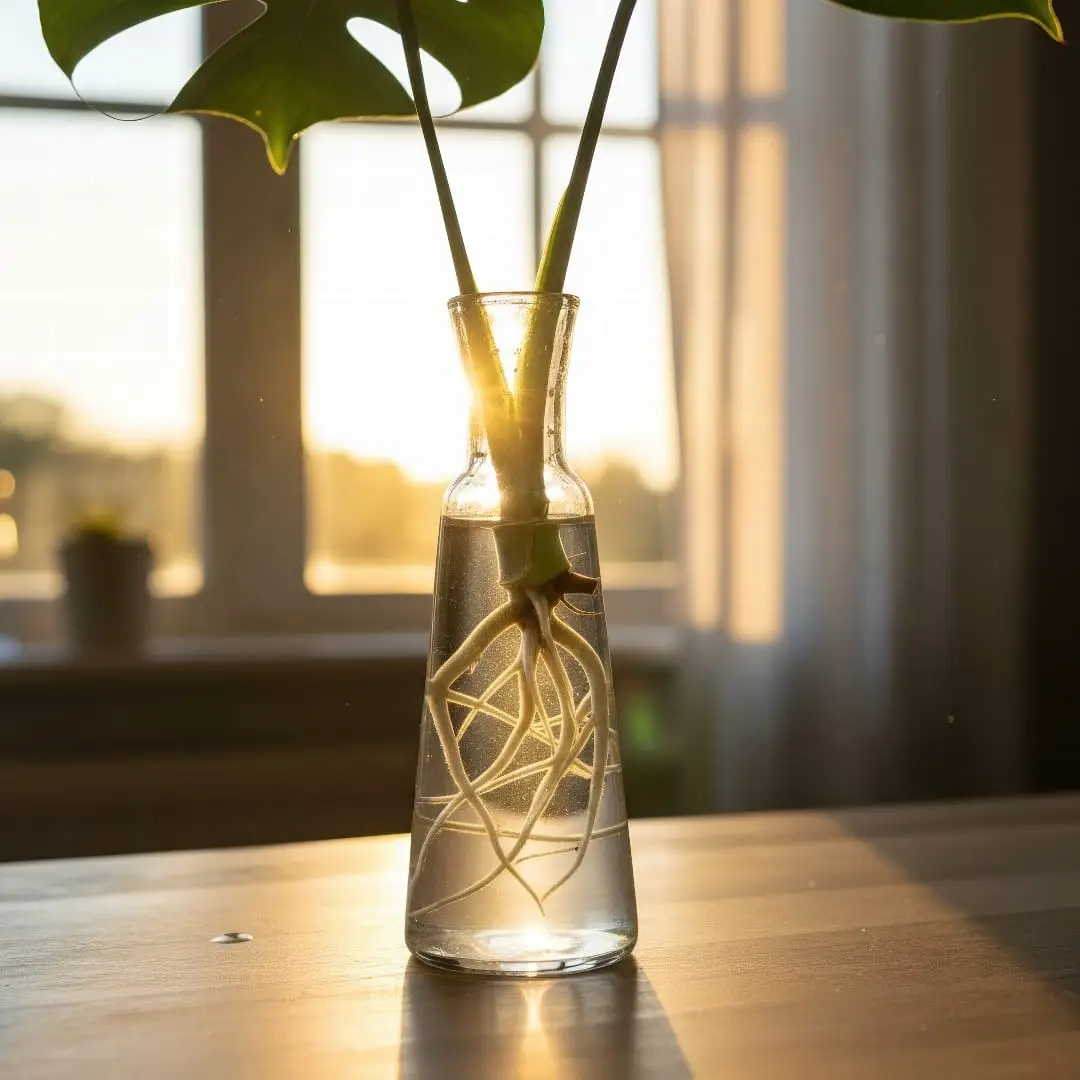
A Step-by-Step Guide to Propagating Plants in Water
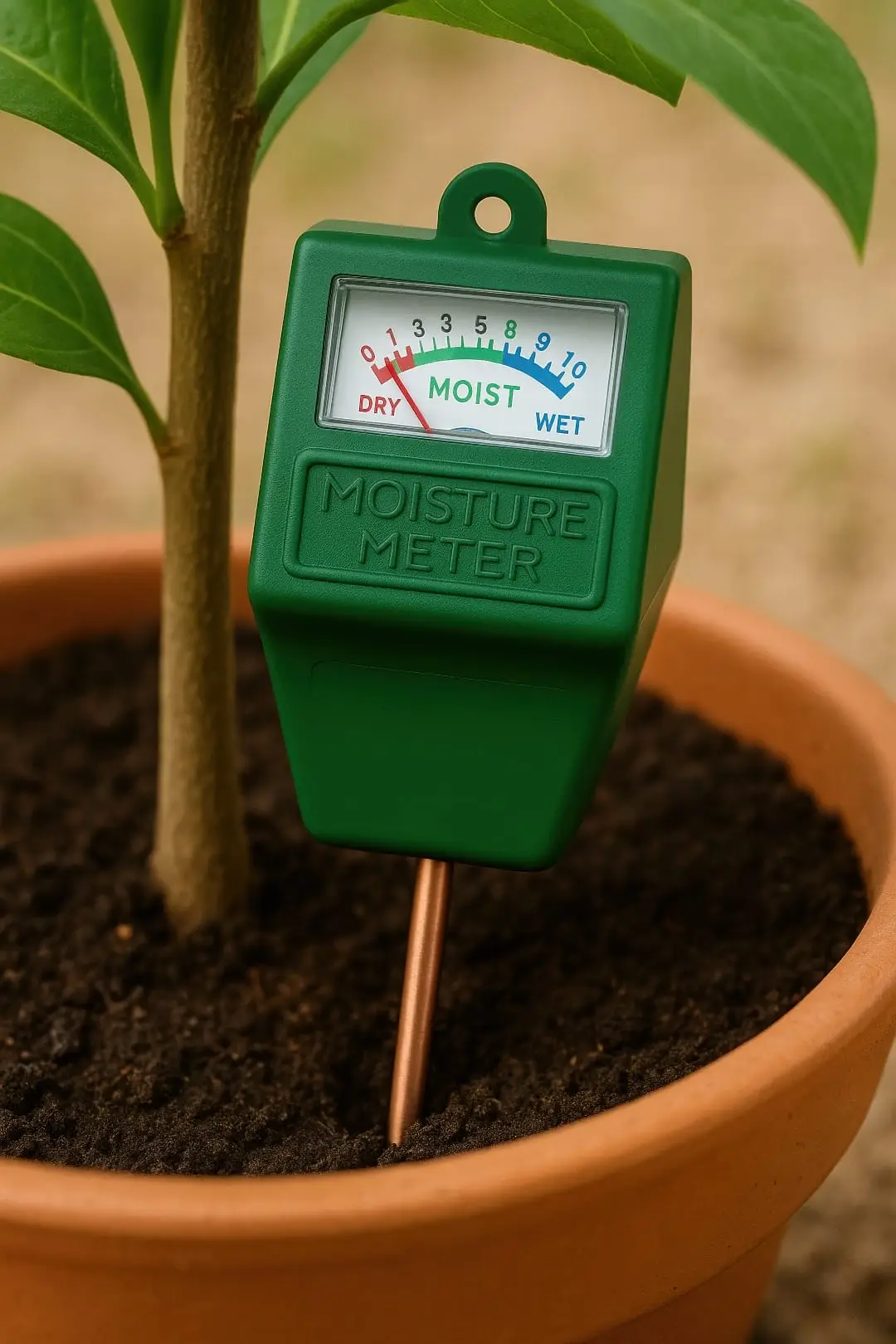
How to Use a Moisture Meter (and Never Overwater Again)
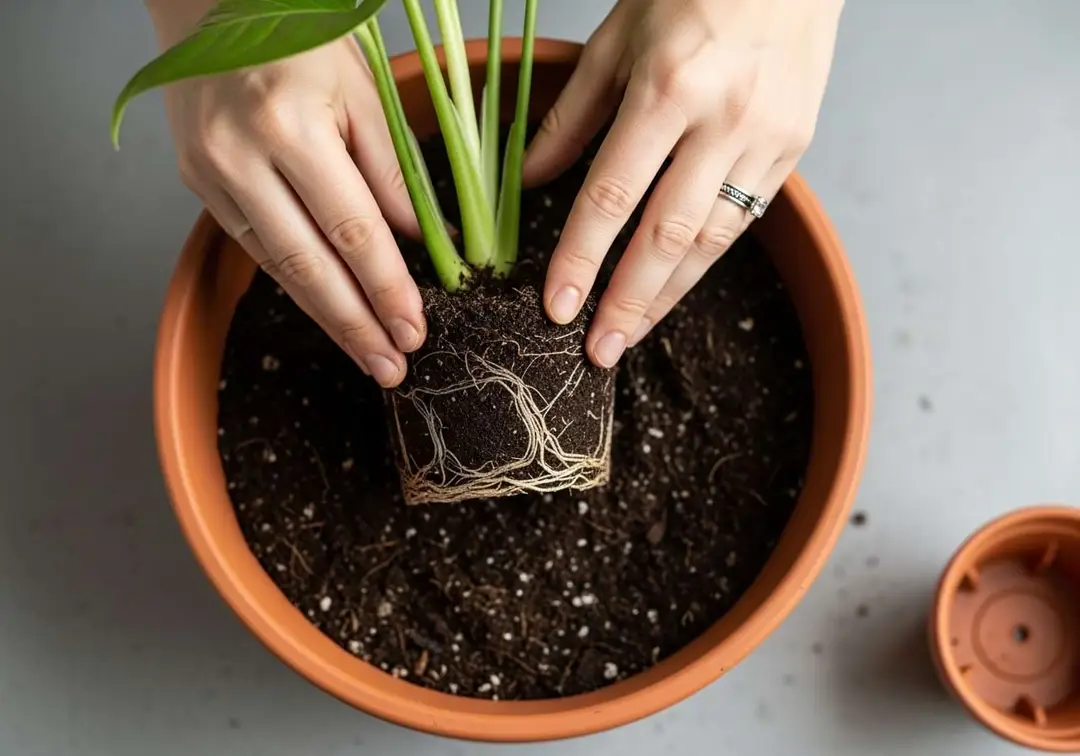
How to Repot a Houseplant Without Killing It (Step-by-Step Guide)

Houseplant Light Guide: How to Find the Perfect Spot for Your Plant
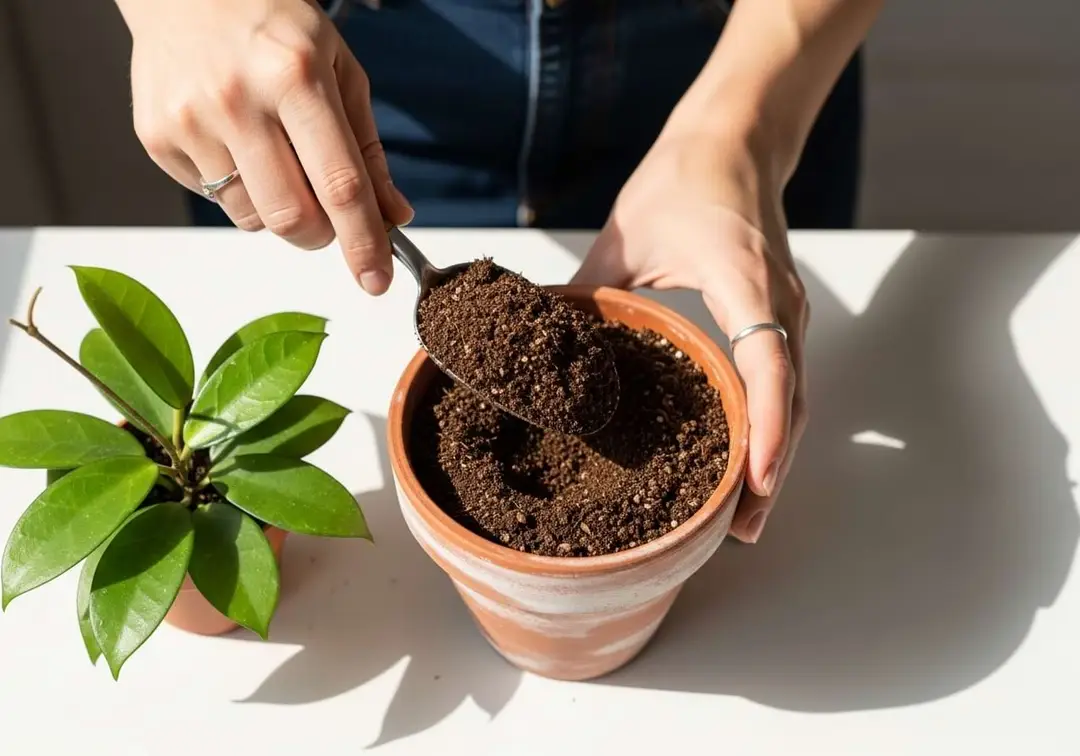
Choosing the Right Potting Mix: A Beginner's Soil Guide
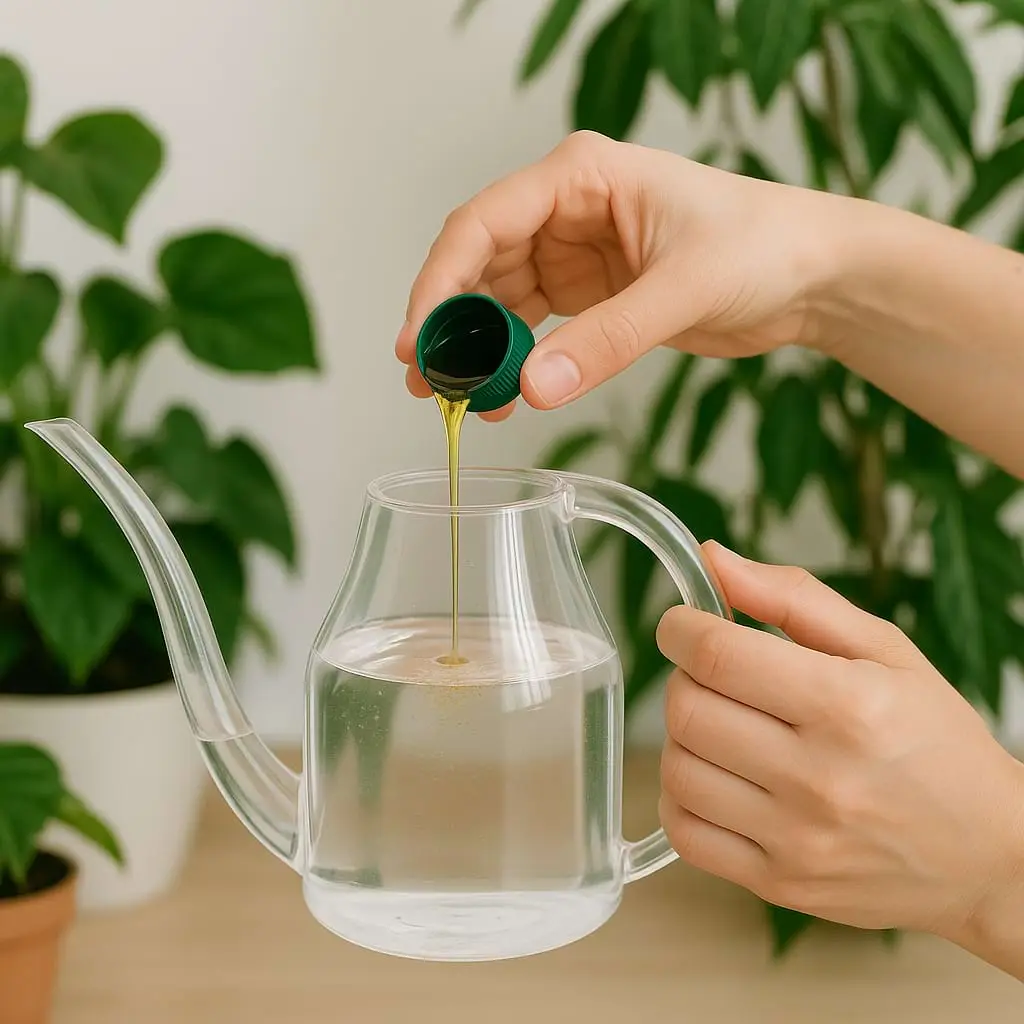
How to Fertilize Houseplants: A Simple Guide for Beginners
The Essential Houseplant Care Checklist & Routine

Houseplant101 Forum
Questions & Comments
Ask a question, share your plant experience, or help other plant owners.
Comments are temporarily unavailable.
Open the Houseplant101 ForumNo comments yet
Be the first to ask a question or share your experience about this page.
Log in or create an account
Comments use your Houseplant101 Forum account, but you can stay on this page.
Create a new account