
A Beginner's Guide to Houseplant Humidity (5 Ways to Stop Crispy Leaves)
Stop crispy, brown leaf tips for good! Learn why humidity matters for indoor plants and discover 5 easy, effective ways to increase humidity in your home.
Core Foundations: Handle crispy tips and dry indoor air.
🪴 In This Guide 🪴

🌎 Why Humidity Matters
Most of our favorite houseplants-Monsteras, Calatheas, Ferns, Blue Star Fern, False Aralia, and Ming Aralia-are native to humid tropical environments where the air is thick with moisture. They are biologically designed to thrive in higher humidity than the average heated home provides.
Plants "breathe" through tiny pores on their leaves called stomata. In dry air, they lose a lot of water through these pores in a process called transpiration. To conserve water, they might close their stomata, which slows down photosynthesis and growth. In extreme cases, the cells at the leaf edges die from dehydration, leading to those all-too-familiar crispy brown tips.
Providing adequate humidity allows your plants to breathe easy, stay hydrated, and look their absolute best.

🔧 5 Easy Ways to Increase Humidity
You don't have to turn your home into a swamp. Here are five methods, from free and easy to the most effective.
1. Group Your Plants Together
This is the easiest method of all. Plants naturally release water vapor through transpiration. By clustering them together, you create a small, humid microclimate as they share the moisture they release. The more plants, the more effective it is!

2. Use Pebble Trays
A pebble tray is a simple, passive humidifier you can make in minutes.
- Take a shallow tray or saucer that is wider than your plant's pot.
- Fill it with a layer of pebbles or decorative stones.
- Add water until it's just below the top of the pebbles.
- Place your plant pot on top of the pebbles. The bottom of the pot should not be touching the water.
As the water evaporates, it will create a pocket of humid air right where your plant needs it.

3. Choose a Humid Location
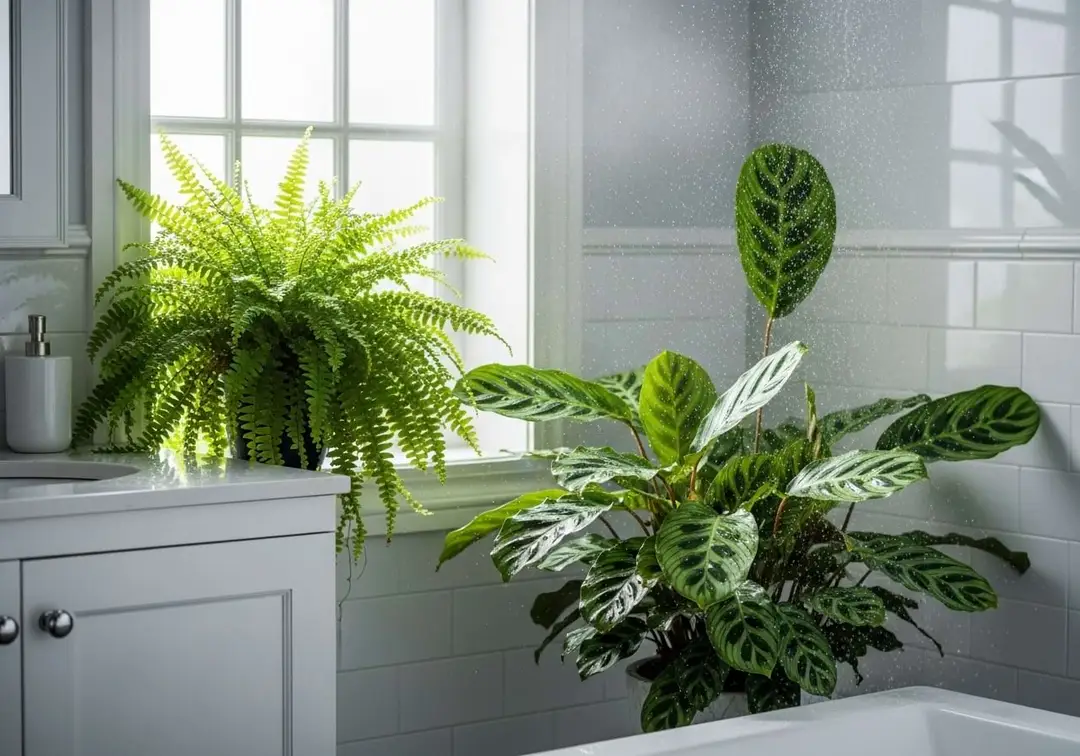
Take advantage of the naturally humid areas in your home. Bathrooms with showers and kitchens are often the most humid spots. A fern, Blue Star Fern, Calathea, False Aralia, or Ming Aralia that gets indirect light from a bathroom window will be in paradise.
4. Misting (with a Caveat)
Misting your plants can feel like a loving ritual, and it does provide a quick, temporary humidity boost. However, the effect lasts only a few minutes once the water evaporates. It's not a reliable long-term strategy for raising ambient humidity. If you do mist, do it in the morning so the leaves can dry out, reducing the risk of fungal spots.

5. Invest in a Humidifier
For serious plant collectors or those in very dry climates, a humidifier is the single most effective solution. A cool-mist or ultrasonic humidifier will consistently raise the ambient humidity in a room to that ideal 40-60% range, keeping all your tropical plants lush and happy.
Not sure which type to buy? Our Complete Guide to Humidifiers compares cool mist vs. warm mist models, covers proper placement, and explains the crucial cleaning routine.

🪴 See also 🪴
How to Water Houseplants: The Ultimate Beginner's Guide
The Ultimate Guide to Houseplant Propagation: Create New Plants for Free!
How to Propagate Succulents from Leaves & Offsets
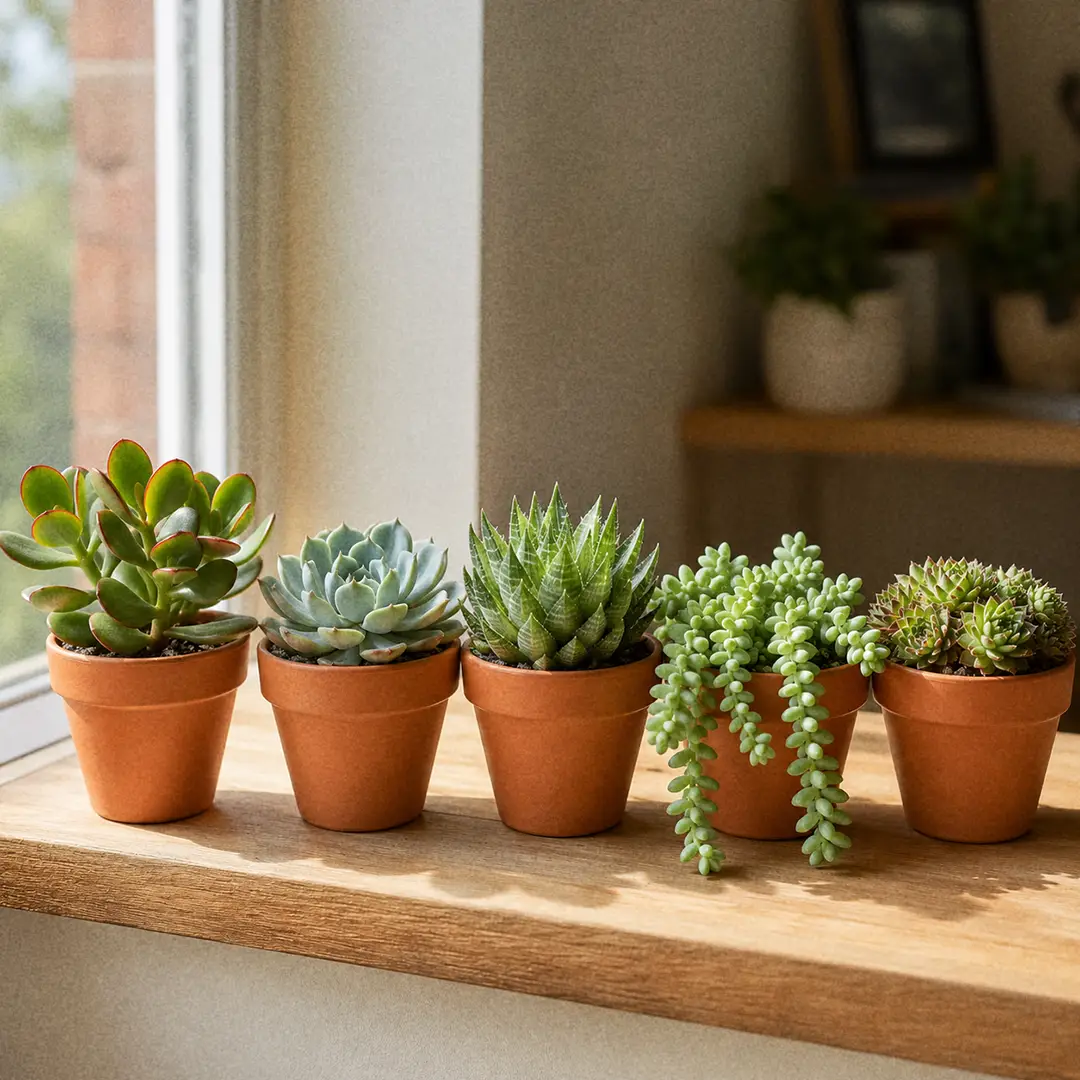
Succulent Care Indoors: How to Stop Killing Jade and Echeveria
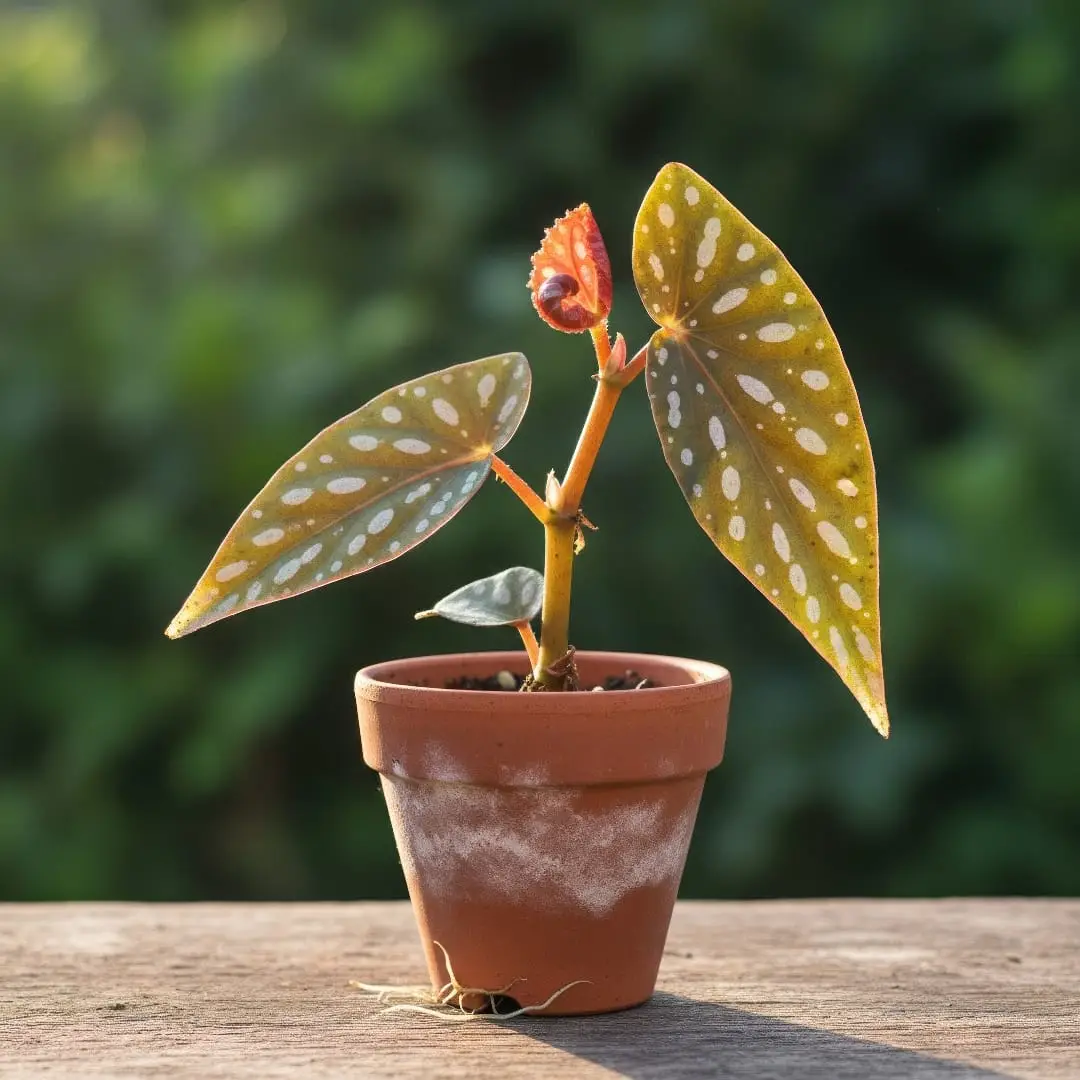
How to Propagate Plants Directly in Soil: A Beginner's Guide
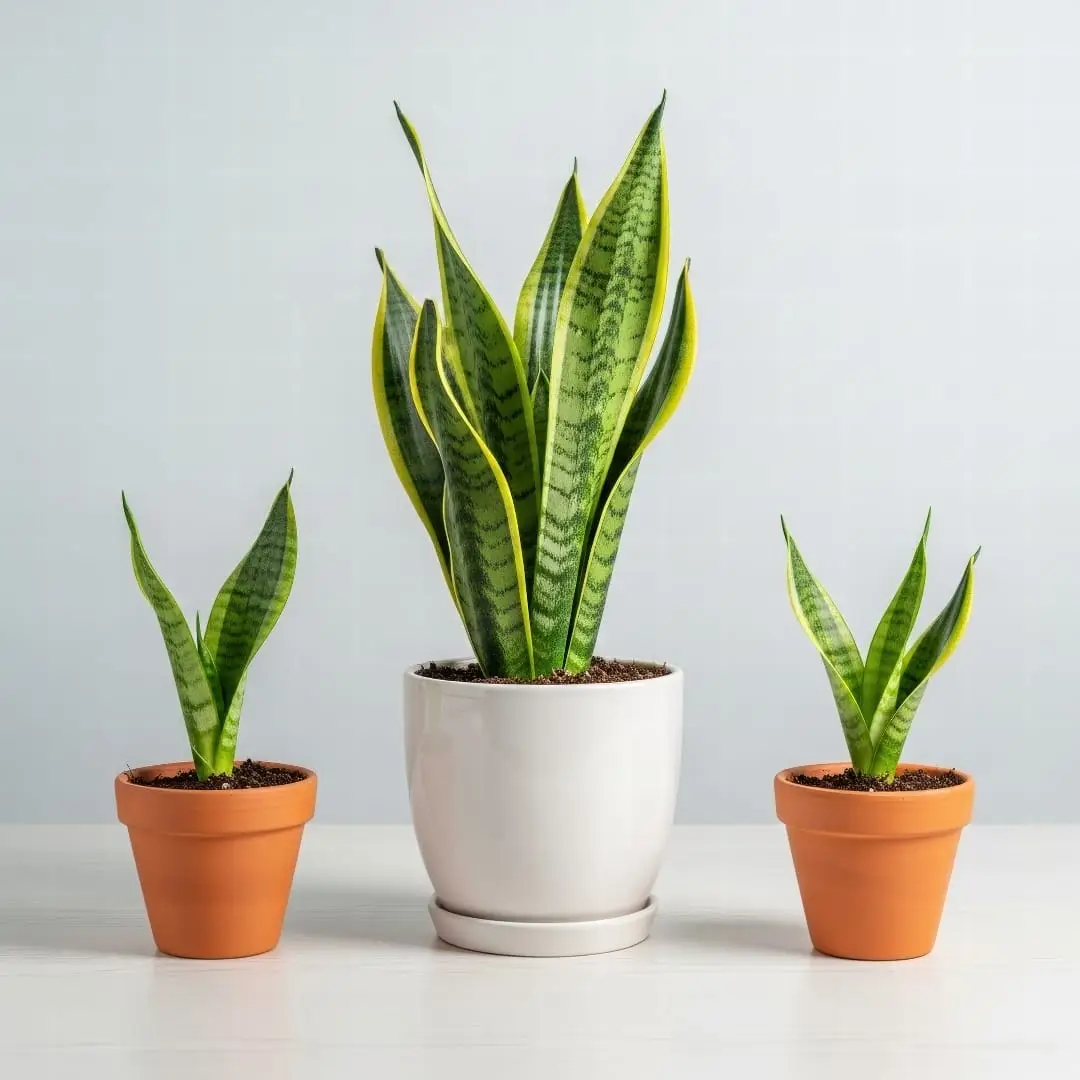
The Complete Guide to Dividing Houseplants: Refresh and Multiply
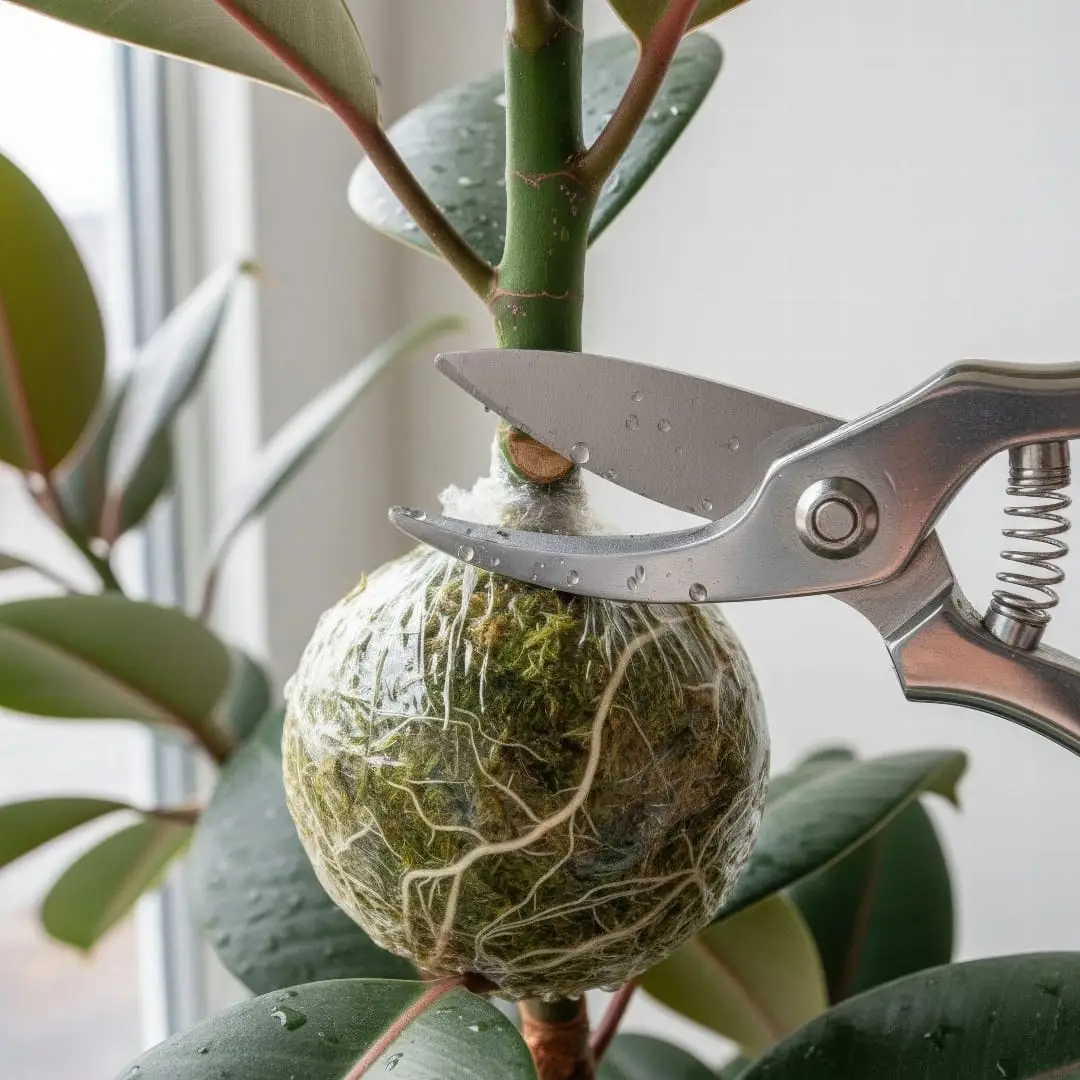
An Introduction to Air Layering for Indoor Trees
A Step-by-Step Guide to Propagating Plants in Water
How to Use a Moisture Meter (and Never Overwater Again)
How to Repot a Houseplant Without Killing It (Step-by-Step Guide)
Houseplant Light Guide: How to Find the Perfect Spot for Your Plant
Choosing the Right Potting Mix: A Beginner's Soil Guide
How to Fertilize Houseplants: A Simple Guide for Beginners

Houseplant101 Forum
Questions & Comments
Ask a question, share your plant experience, or help other plant owners.
Comments are temporarily unavailable.
Open the Houseplant101 ForumNo comments yet
Be the first to ask a question or share your experience about this page.
Log in or create an account
Comments use your Houseplant101 Forum account, but you can stay on this page.
Create a new account