
Houseplant Light Guide: How to Find the Perfect Spot for Your Plant
Finally understand houseplant lighting. Our visual guide explains direct, bright indirect, medium, and low light, and shows you how to find the perfect light for any plant.
Core Foundations: Place plants where they can actually grow.
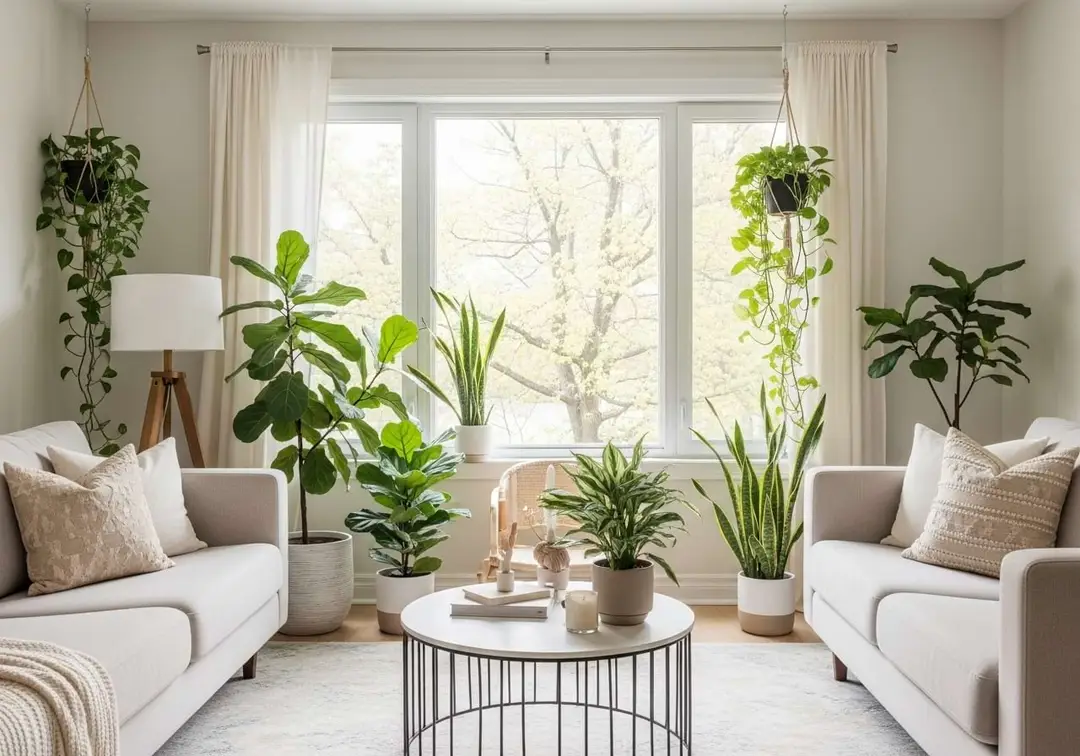
🪴 In This Guide 🪴

☀️ The 4 Types of Indoor Light
Understanding these four categories will help you match 99% of houseplants to the right location.
1. Direct Light
This is the intense, unfiltered sunlight that streams through your windows for several hours a day. It's powerful and can scorch most tropical plants.
- The Analogy: Beach-day sun.
- Best For: Cacti, succulents, Yucca Cane, and other sun-worshippers.
- Where to Find It: Right on the windowsill of a south or west-facing window.

2. Bright, Indirect Light
This is the holy grail for most popular houseplants. It means a spot that's very bright for 6+ hours, but where the sun's rays don't hit the plant's leaves directly.
- The Analogy: Sitting under a shady tree on a sunny day.
- Best For: Monsteras, Fiddle Leaf Figs, Ficus Alii, Japanese Aralia, Philodendrons, and most tropicals.
- Where to Find It: A few feet back from a sunny window, or right in an east-facing window.

3. Medium Light
This is a spot that gets some ambient light but is significantly less intense than a spot right by the window.
- The Analogy: A bright, overcast day.
- Best For: Pothos, ZZ Plants, some Dracaenas.
- Where to Find It: In the middle of a bright room, or near a north-facing window.

4. Low Light
Important: Low light does not mean no light! It means a spot that is far from a window but still gets enough ambient light to read a book. Only a few hardy plants can tolerate these conditions.
- The Analogy: The light in a shady forest.
- Best For: Snake Plants, ZZ Plants, some Pothos varieties.
- Where to Find It: A corner of a room, a hallway with a distant window, or near a north-facing window.

🖐️ The Easiest Way to Measure Light
Forget expensive light meters. The best tool for measuring light is right at the end of your arm: your hand. Here's how to use the Shadow Test:
During the brightest part of the day, hold your hand up a foot above where you want to place your plant. Look at the shadow it casts on the surface.
- A sharp, dark, clearly defined shadow: This is direct light.
- A soft, blurry-edged shadow: This is bright, indirect light.
- A very faint, barely visible shadow (or no shadow): This is medium to low light.

⚠️ Signs of an Unhappy Plant
Your plants will tell you if they're in the wrong spot. Here's what to look for:
Signs of Too Little Light
- Leaning: The whole plant is physically bending or stretching toward the nearest window.
- Legginess: Stems become long and stretched out, with large gaps between the leaves.
- Small New Leaves: New growth is noticeably smaller than older leaves.
- Loss of Variegation: Colorful patterns on leaves fade to solid green as the plant tries to maximize chlorophyll.

Signs of Too Much Light
- Scorched Spots: You'll see crispy, dry, brown or bleached white patches on the leaves.
- Faded Color: The leaves look washed-out or pale yellow.
- Wilting: The plant droops during the day, even when the soil is moist.
- Crispy Edges: The tips and edges of the leaves turn brown and dry.

🪴 See also 🪴
How to Water Houseplants: The Ultimate Beginner's Guide
The Ultimate Guide to Houseplant Propagation: Create New Plants for Free!
How to Propagate Succulents from Leaves & Offsets
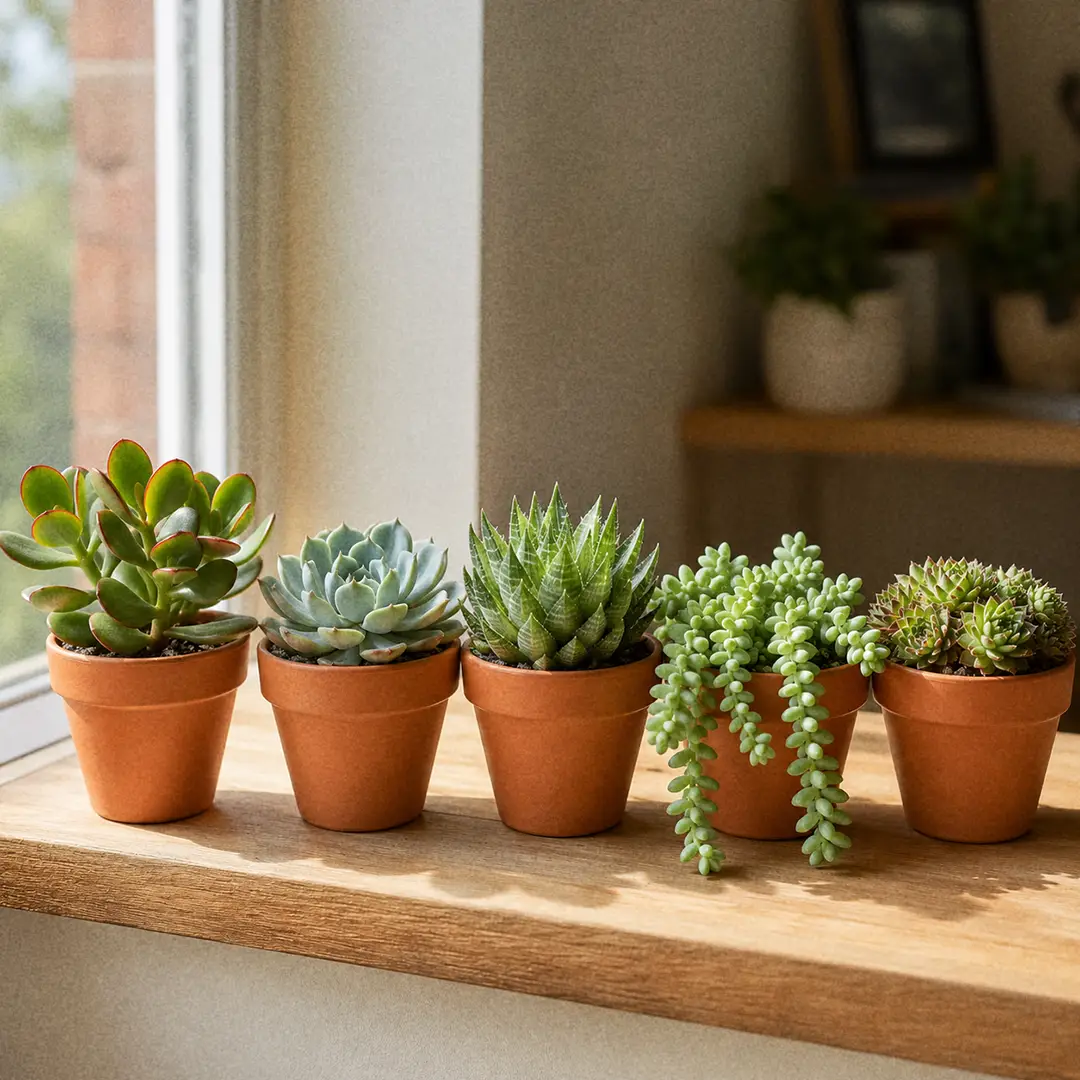
Succulent Care Indoors: How to Stop Killing Jade and Echeveria
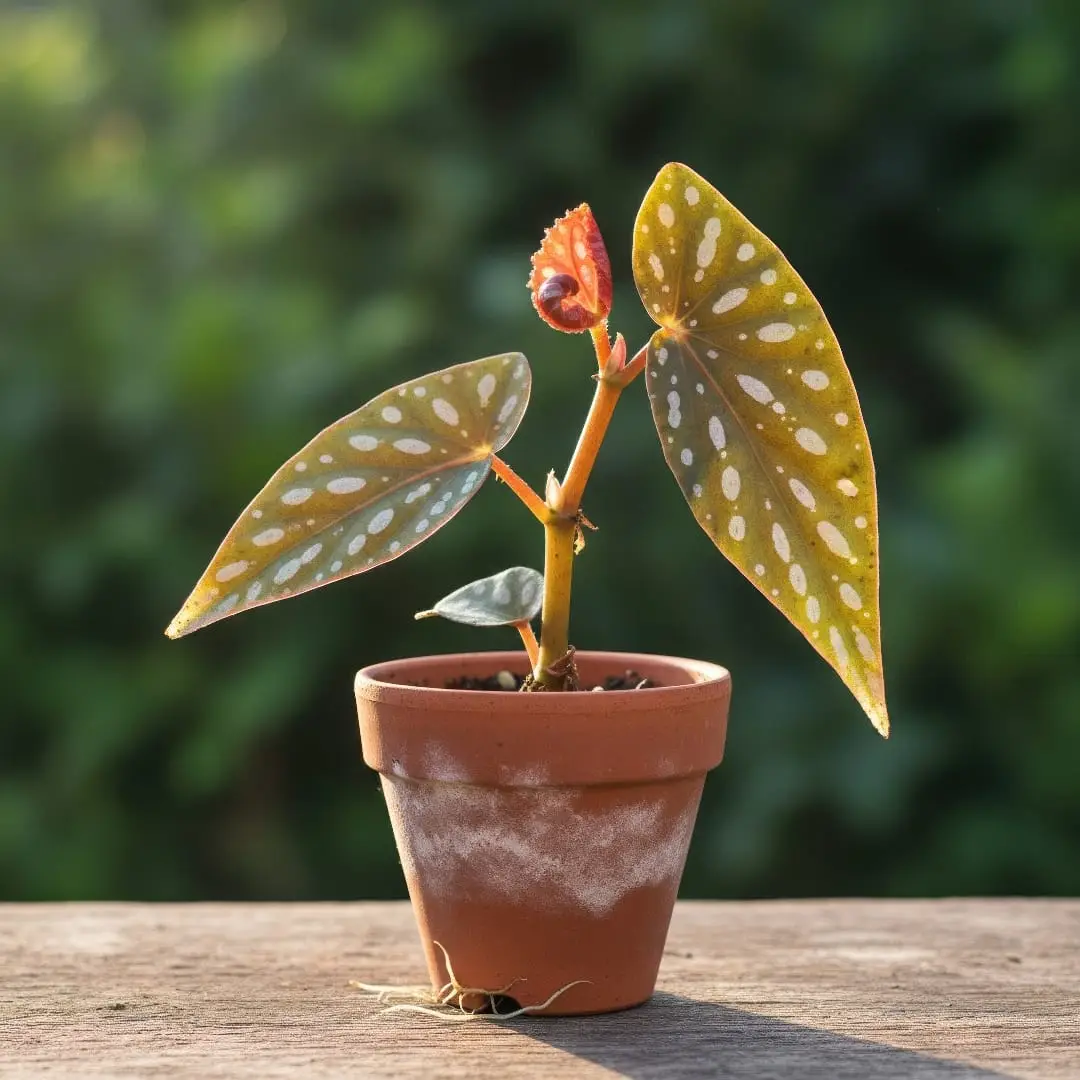
How to Propagate Plants Directly in Soil: A Beginner's Guide
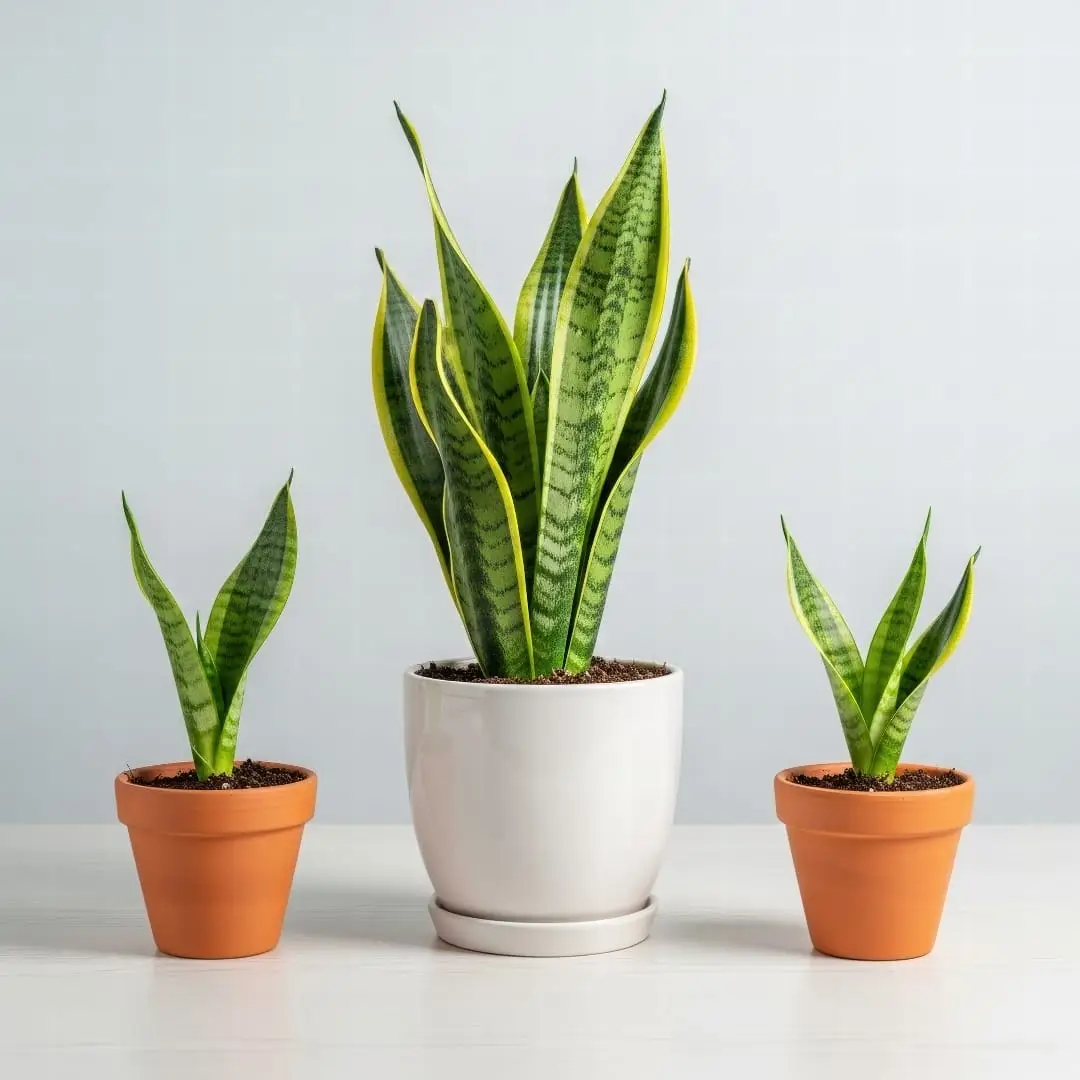
The Complete Guide to Dividing Houseplants: Refresh and Multiply
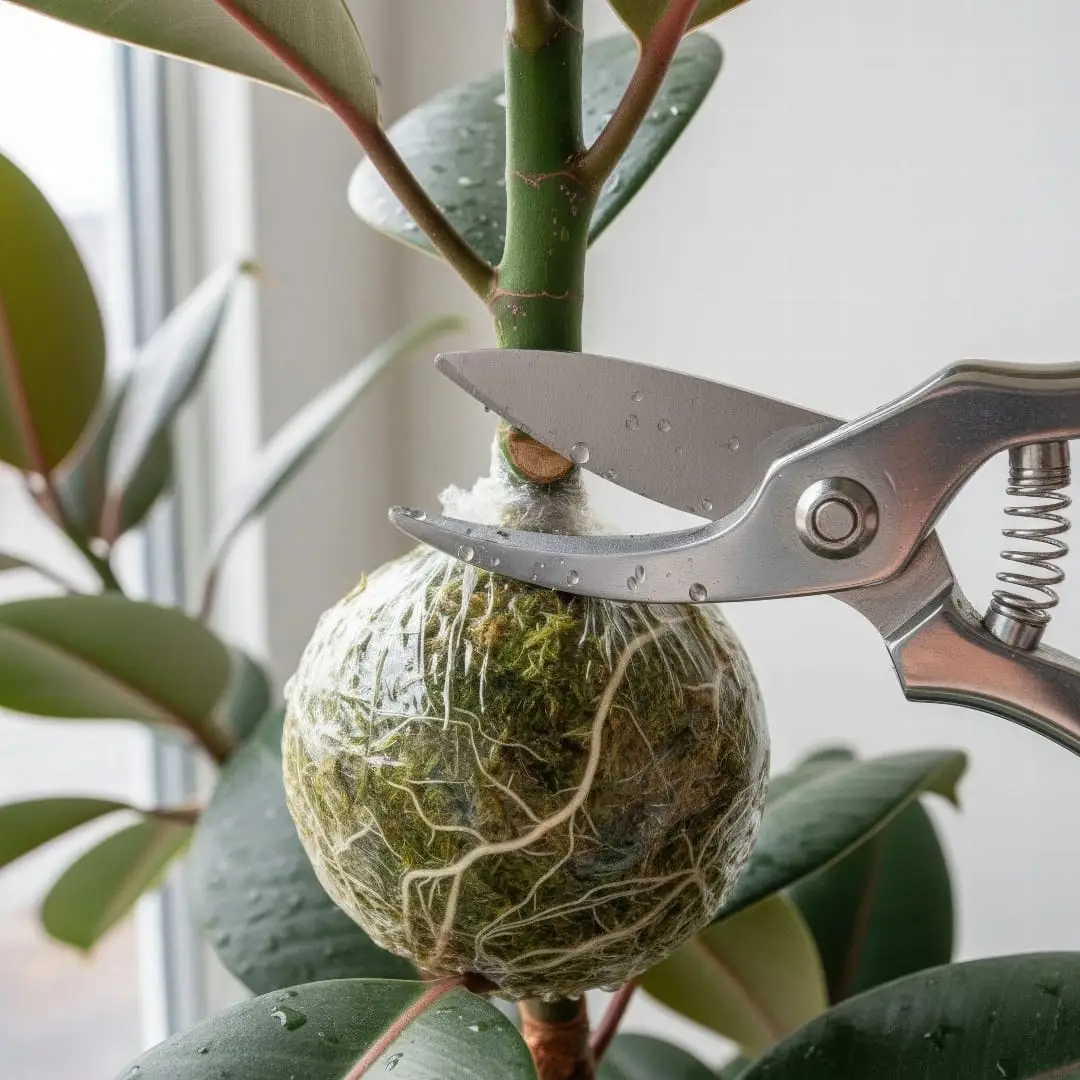
An Introduction to Air Layering for Indoor Trees
A Step-by-Step Guide to Propagating Plants in Water
How to Use a Moisture Meter (and Never Overwater Again)
How to Repot a Houseplant Without Killing It (Step-by-Step Guide)
Choosing the Right Potting Mix: A Beginner's Soil Guide
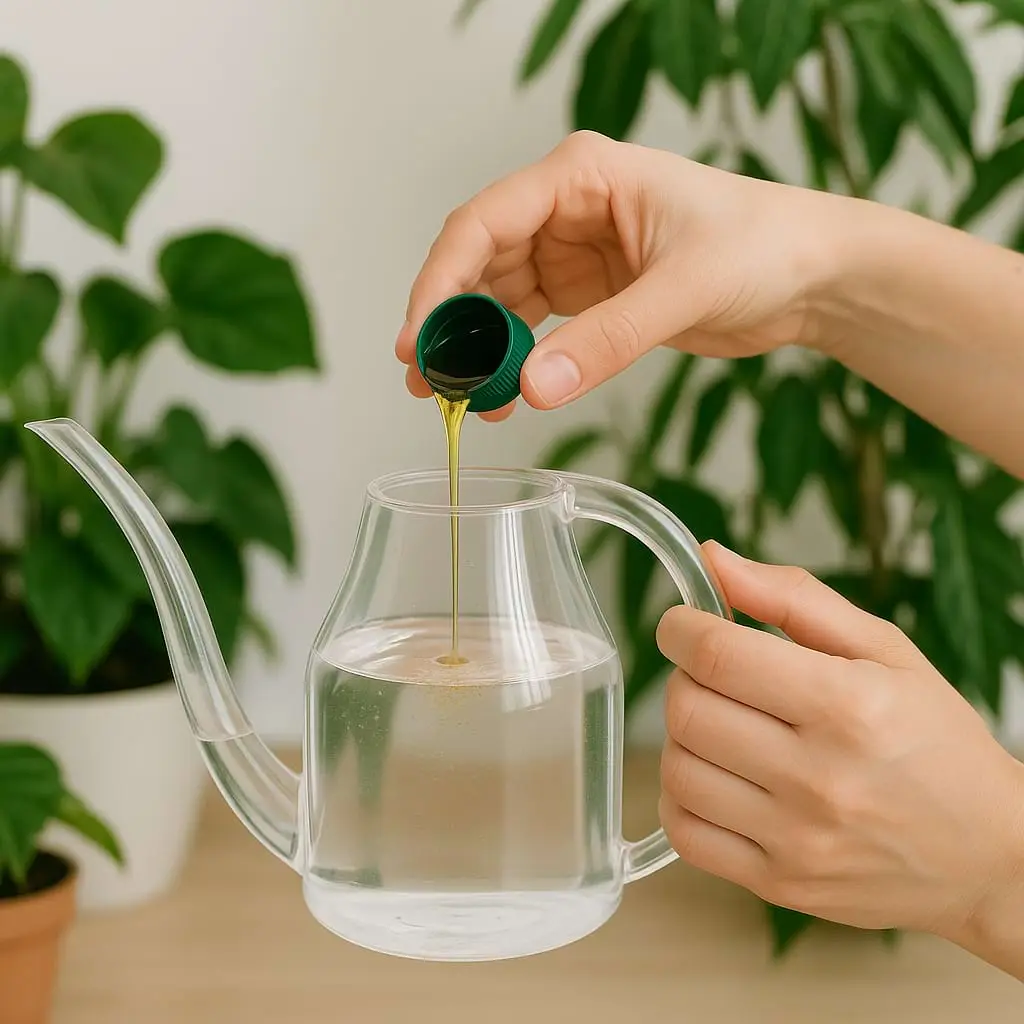
How to Fertilize Houseplants: A Simple Guide for Beginners
The Essential Houseplant Care Checklist & Routine

Houseplant101 Forum
Questions & Comments
Ask a question, share your plant experience, or help other plant owners.
Comments are temporarily unavailable.
Open the Houseplant101 ForumNo comments yet
Be the first to ask a question or share your experience about this page.
Log in or create an account
Comments use your Houseplant101 Forum account, but you can stay on this page.
Create a new account