
Boat Lily
Tradescantia spathacea
Moses in the Cradle, Oyster Plant, Moses in the Boat, Rhoeo


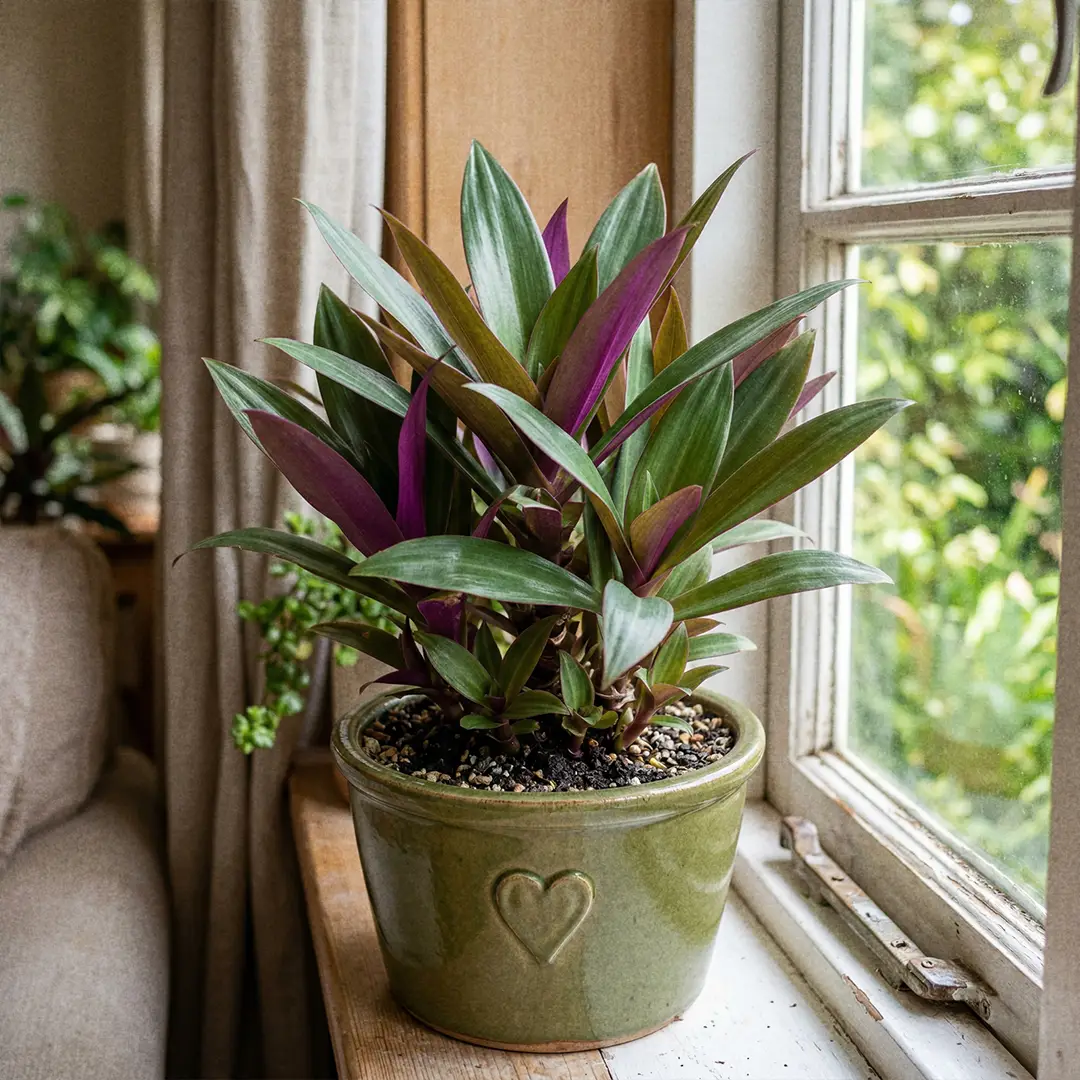
Boat Lily is a compact rosette-forming Tradescantia with glossy green leaves, rich purple undersides, and little white flowers tucked inside purple bracts. This guide shows you how to keep Moses in the Cradle dense, colorful, and easy to divide instead of floppy, pale, or waterlogged.
📝 Boat Lily Care Notes
🌿 Care Instructions
⚠️ Common Pests
📊 Growth Information
🪴 In This Guide 🪴

☀️ Boat Lily Light Requirements
Best Light for Boat Lily
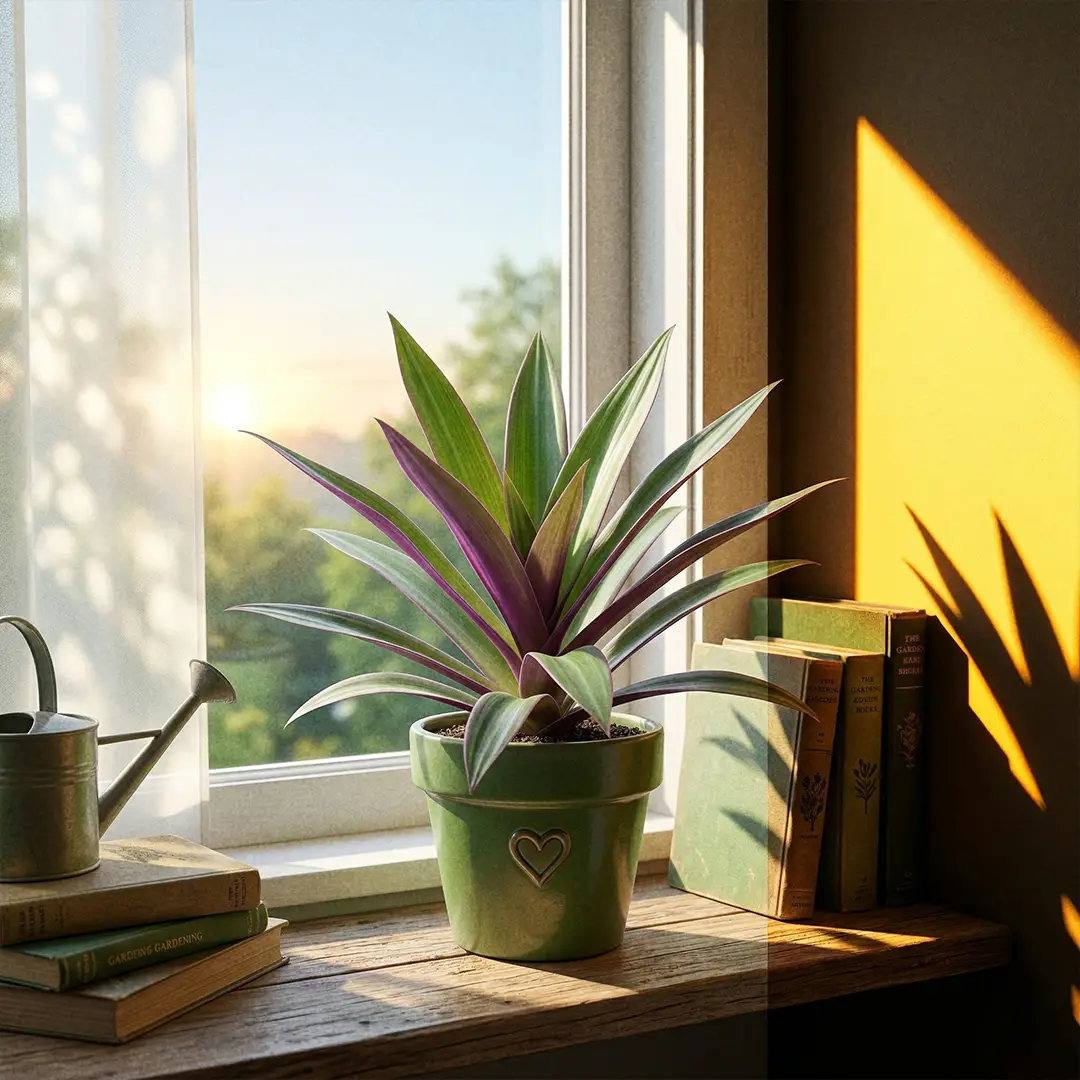
Boat Lily grows best in bright, indirect light with some gentle direct sun, usually morning or very late-day. The easiest target is an east-facing window, a bright south window pulled a little back from the glass, or a west window diffused during the hottest part of the day.
Survival and good form are not the same thing. In strong bright light, the rosette stays tighter, leaves hold themselves upright, and the purple undersides look richer. In weaker light, leaves stretch, arch, and lose the crisp stacked look. Our indoor light guide is worth a read if you need help judging brightness.
Can Boat Lily Take Some Direct Sun?
Yes, with care. Outdoors it can handle much more sun than indoors once acclimated. Indoors behind glass, heat buildup changes the equation. Gentle morning sun is usually excellent. Harsh late-afternoon summer sun pressed against hot glass is where you can see sunburn or leaf scorch.
If your plant has been in a lower-light spot for months, step it up over a week or two before placing it in a blazing window.
Signs of Incorrect Lighting
- Too little light: leaves arch outward, color looks duller, the plant feels loose rather than compact. This is how pale, faded leaves show up.
- Low light over time: newer leaves come in narrower and longer.
- Too much hard sun: bleached patches, tan streaks, or dry edges on the side facing the glass, sometimes sliding into curling leaves.
💧 Boat Lily Watering Guide
How Often to Water Boat Lily
Boat Lily likes a middle-ground watering routine. Let the top 1-2 inches of soil dry, then water thoroughly and let the excess drain. In a bright room during spring and summer, that often means every 7-10 days. In winter, it may stretch to every 10-14 days or longer.
Compared with Wandering Dude, Boat Lily handles waiting longer. Compared with Snake Plant, it wants moisture more regularly. A moisture meter helps because the crowded center can hide crown problems.
Best Watering Method
Top watering works fine. Water slowly until it runs from the drainage holes, then let the pot drain completely. Bottom watering also works well: set the pot in shallow water for 15-20 minutes, then drain fully. That method keeps water out of the dense crown.
Avoid tiny frequent sips. Deep watering followed by some dry-down keeps roots active. Our full watering guide explains why.
Signs of Overwatering vs Underwatering
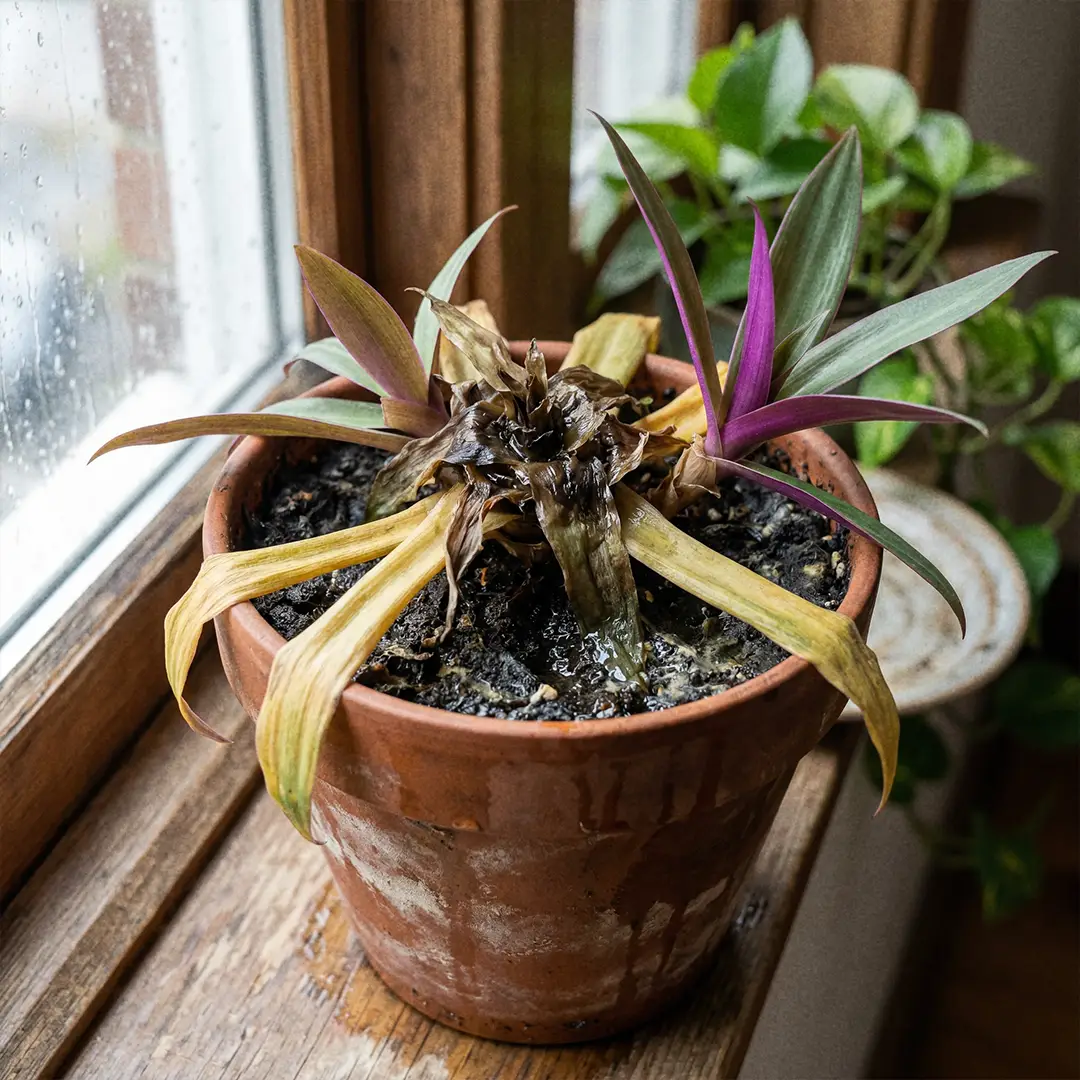
Overwatering: yellow lower leaves, soft mushy leaf bases, a heavy pot that stays wet for days, sour smell, center leaves collapsing (often root rot).
Underwatering: leaves losing firmness, dry tips, a lightweight pot, older leaves dropping sooner than they should.
Overwatering is more serious because it starts low around the crown, where you may not notice it until the rosette has gone slack.
Seasonal Watering Changes
Spring and summer bring fresh leaves and offsets, with brighter light and warmer air speeding up dry-down. In fall and winter, shorter days mean slower root activity. A routine that felt perfect in June can quietly become too wet in January. If your Boat Lily lives under strong grow lights or in a warm sunroom, winter care may not slow much.
🪴 Best Soil for Boat Lily
Best Potting Mix
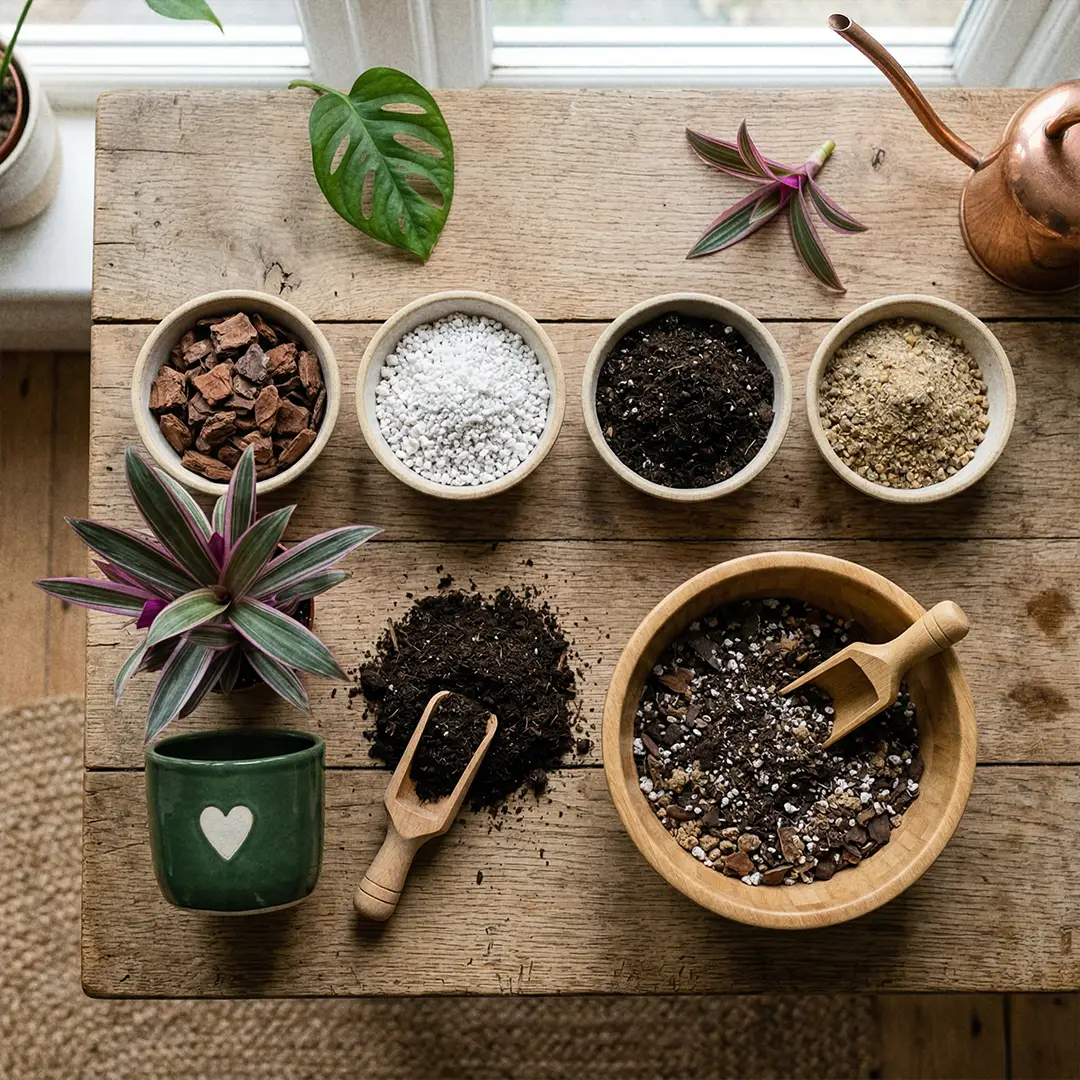
Boat Lily wants a mix that drains well but still holds some usable moisture. The sweet spot is an airy houseplant mix.
A reliable recipe:
- 2 parts indoor potting mix
- 1 part perlite or pumice
- 1 part orchid bark or coarse sand
If you already keep supplies for Ti Plant or other tropical foliage, you are close. Lean slightly drier and looser. For a broader breakdown, see our soil guide.
Why Drainage Matters
The danger zone is the base of the rosette. Water lingering around the crown can collapse a strong plant fast because the stacked leaf bases trap moisture. Drainage holes are non-negotiable. Boat Lily is not a cup-forming bromeliad, so do not hold water in the center.
When Old Soil Is the Real Problem
Signs the mix needs replacing:
- water runs down the edges instead of soaking in
- the pot smells stale even when the top looks dry
- the center keeps yellowing despite reducing water
- salts crust on the surface
- offsets crowd so tightly that the crown stays humid
If your Boat Lily has become a dense traffic jam of leaves and roots, fresh mix often fixes more than people expect.
🍼 Fertilizing Boat Lily
Best Fertilizer
Boat Lily is not a heavy feeder, but it grows better and colors more cleanly with modest feeding in the active season. A balanced liquid fertilizer at half strength works well.
Good light first, then food. If the plant is in a dim location, extra fertilizer just gives you softer growth and a saltier pot. Our fertilizing guide covers this pattern.
Seasonal Fertilizing Schedule
- Spring through late summer: feed once a month with half-strength balanced fertilizer
- Early fall: taper off as growth slows
- Winter: stop feeding unless the plant is under strong supplemental light
Always fertilize damp soil, not a bone-dry pot.
Signs of Overfertilizing
Brown tips and margins, white crust on the soil surface, irritated roots even with correct watering, overly soft growth. Flush the mix thoroughly with plain water and pause feeding for a while.
🌡️ Boat Lily Temperature Range
Ideal Indoor Temperature
Boat Lily is happiest between 60 and 85°F (15-29°C). It likes warmth, steady conditions, and does not enjoy abrupt cold drafts. Below 55°F (13°C), growth slows and wet soil becomes risky.
Keep the pot away from icy winter glass, cold door drafts, and the direct blast of heating or AC vents.
Can Boat Lily Grow Outdoors?
Yes, in frost-free or nearly frost-free climates. Outdoors it is often used as edging or as a foliage accent, and can handle more sun once acclimated. In warm climates it can spread aggressively, so container growing is safer. If you summer it outdoors in a pot, bring it back in before nights drop below about 55°F.
How Temperature Affects Growth
In warm bright conditions, Boat Lily builds offsets and fills in. In cool dim conditions, it mostly holds still. Watering and feeding should match the growth pace.
💦 Boat Lily Humidity Needs
Ideal Humidity
Around 40-60% is comfortable. Boat Lily does not demand constant humidity support. In very dry heated rooms, leaf tips look rougher and spider mites become more likely. Our humidity guide covers room-level fixes.
What Dry Air Does
- brown crispy edges
- leaf tips drying back
- faster spider mite problems
Try grouping plants, moving the pot away from heating vents, or adding a humidifier nearby.
Should You Mist?
Usually no. Routine misting raises humidity only briefly and can leave water hanging around the leaf bases.
🌸 Boat Lily Flowers and Blooming
What Flowers Look Like
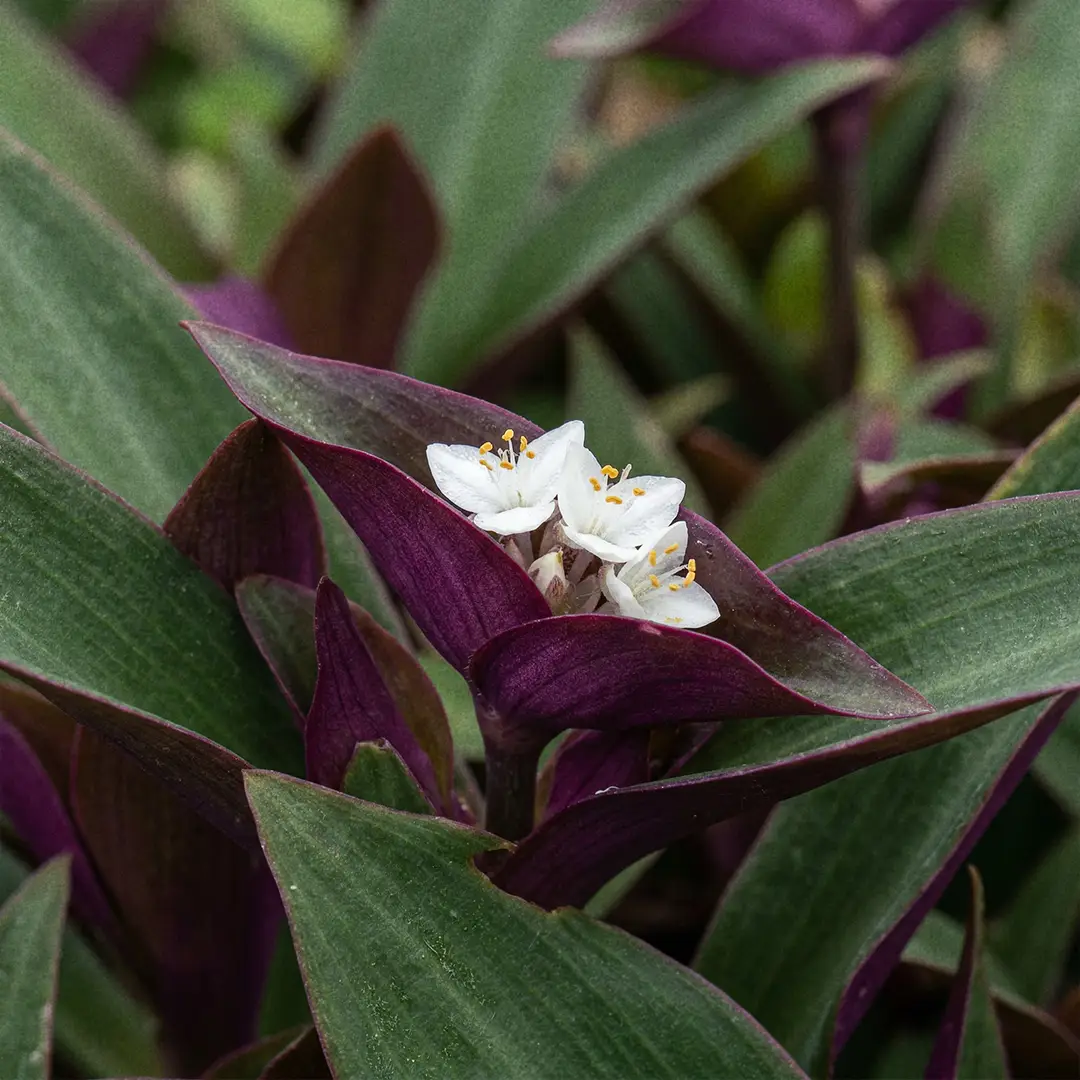
Boat Lily flowers are easy to miss from above. The white blooms are small and sit low inside folded purple bracts, which is exactly where the name Moses in the Cradle comes from. The effect is quiet: tucked-in little flowers among the foliage, not one dramatic showpiece like a Bromeliad.
How to Encourage Blooms
- bright light without harsh scorch
- steady watering with some dry-down
- moderate feeding in active growth
- a reasonably mature clump
Plants in low light stay alive but do less of everything, including blooming.
Foliage or Flowers?
Mostly foliage. The flowers are charming, but the real reason people keep Boat Lily is the rosette shape and the green-and-purple leaf contrast. A compact, colorful clump is already a successful plant.
🏷️ Boat Lily Types and Similar Tradescantia
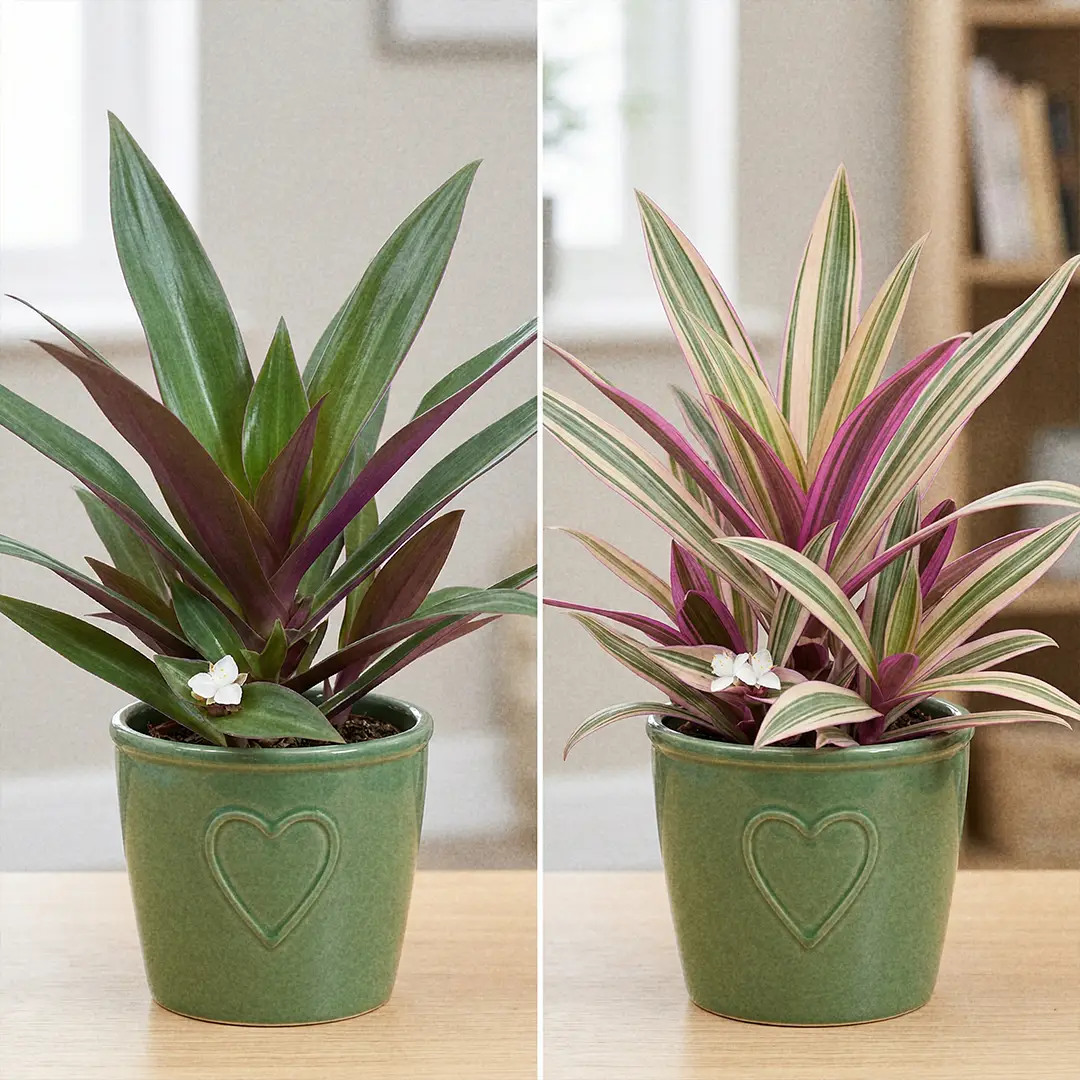
Standard Green Boat Lily
Glossy green upper leaf surfaces and rich purple undersides. The classic look, usually the toughest form and easiest to keep looking sharp indoors.
Variegated and Tricolor Boat Lily
Variegated forms add cream, pink, or soft yellow striping. More color, a little less toughness. Too little light and the pattern muddies; too much hard sun and pale sections burn first.
Boat Lily vs Other Tradescantia and Lookalikes
- Wandering Dude: a true trailer with striped leaves and visible nodes that root easily.
- Purple Heart: larger solid-purple leaves on sprawling stems, not a stacked rosette.
- Nanouk: chunky pink-variegated stems that trail and branch from nodes.
- Bromeliad: similar rosette silhouette, but bromeliads often hold water in a central cup, while Boat Lily should not.
- Snake Plant: stiffer, drier-tolerant, and more upright.
🪴 Potting and Repotting Boat Lily
When to Repot
Repot every 1-2 years, or sooner if offsets crowd the pot so much that the center stays damp and airless. A slightly snug pot can help keep the clump tidy.
Common signs it is time:
- roots filling the pot and pushing the plant upward
- many offsets packed tightly around the mother
- water behavior becoming odd because soil has compacted
- yellowing at the center despite watering corrections
Spring is the easiest moment.
Best Pot Shape
Wide pots and shallow bowls suit Boat Lily better than deep narrow containers. Terracotta is useful if you tend to overwater. Plastic is fine if your home is bright. Drainage holes matter more than material. See our plant pots guide for help choosing.
How to Repot a Crowded Clump
- Water the day before so the root ball slides out cleanly.
- Tip the pot and support the base of the clump.
- Shake or tease away some of the old soil.
- Decide whether to keep the clump whole or divide offsets at the same time.
- Replant into fresh airy mix at the same depth.
- Water once thoroughly, then let the top layer dry before watering again.
If you divide pups during repotting, keep the new pieces evenly moist for the first week.
✂️ Pruning Boat Lily
What to Prune
Pruning is mostly cleanup and clump management. Remove:
- old lower leaves that have yellowed naturally
- damaged tips if they bother you visually
- spent flower bracts once they dry
- weak or crowded offsets if the center is too packed
Use clean scissors and cut close to the base without gouging the crown.
How to Keep It Compact
Compactness comes from light and spacing more than from cutting. Bright light keeps leaves shorter and more upright. If a plant looks floppy, check light, soil, and roots first.
When Old Leaves Are Normal
Like many rosette plants, Boat Lily sheds its oldest lower leaves as it grows. A couple of aging leaves near the bottom is not a crisis. Widespread yellowing or softness from the center outward is different.
🌱 How to Propagate Boat Lily
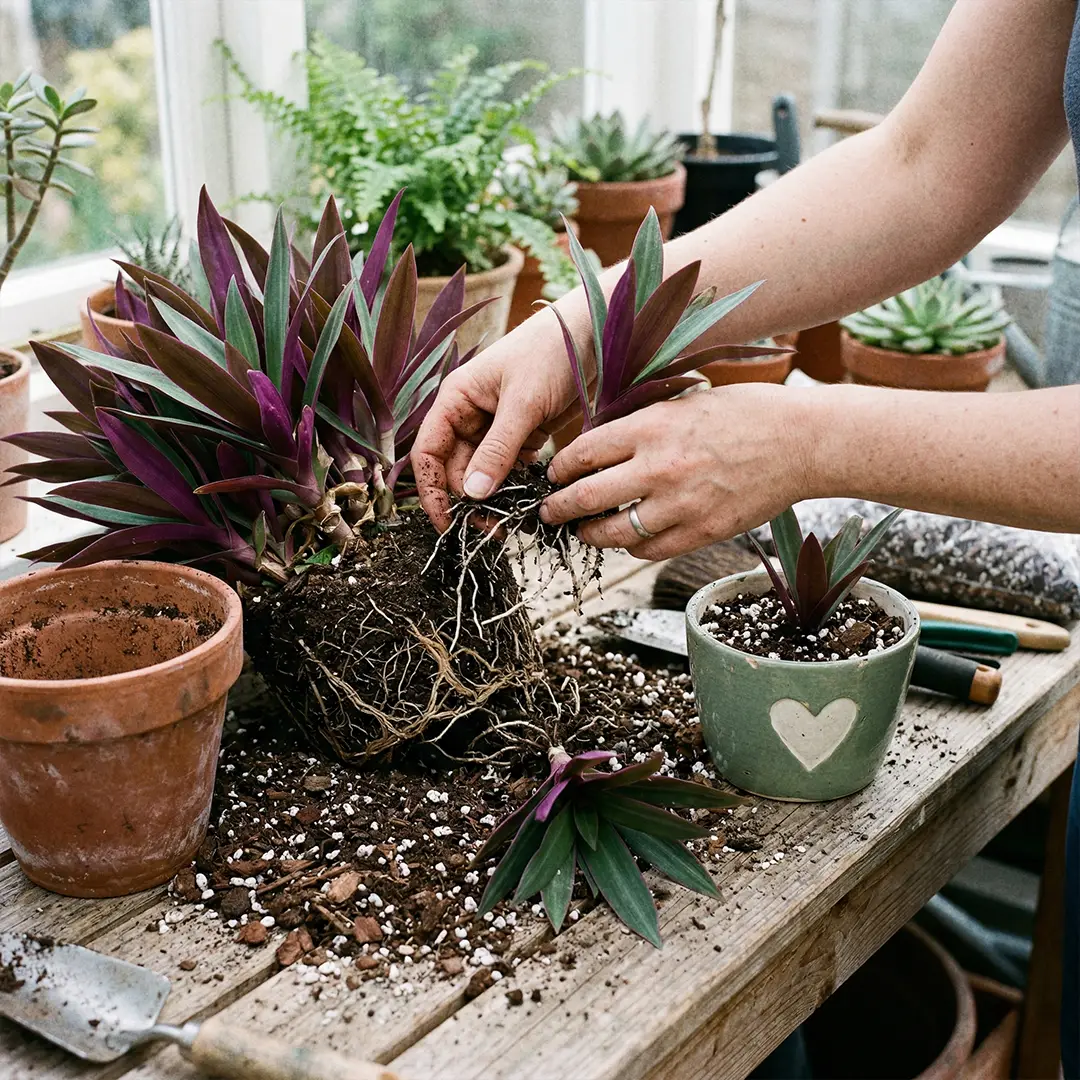
Why Division Is Best
Boat Lily propagates best by division. Mature plants form offsets around the base, and each offset is a ready-made future clump. Much more straightforward than the stem-cutting routine used for Wandering Dude. See our plant division guide for the general logic.
How to Divide Step by Step
- Take the plant out of its pot during repotting season, ideally spring.
- Brush off enough soil to see where the offsets connect.
- Choose offsets that already have their own roots or obvious root nubs.
- Pull gently with your hands first. Use a clean knife if the connection is tight.
- Pot each division into a small container with fresh airy mix.
- Water lightly but thoroughly, then keep the mix slightly moist while new roots settle.
Each division should have both leaves and roots. A top with no roots is much slower to recover.
Can You Root from Cuttings?
Sometimes, but it is not the first method I would recommend. Older plants can develop short stems or offsets that can be rooted if they include a piece of the base. Still, division is more reliable.
🐛 Boat Lily Pests and Treatment
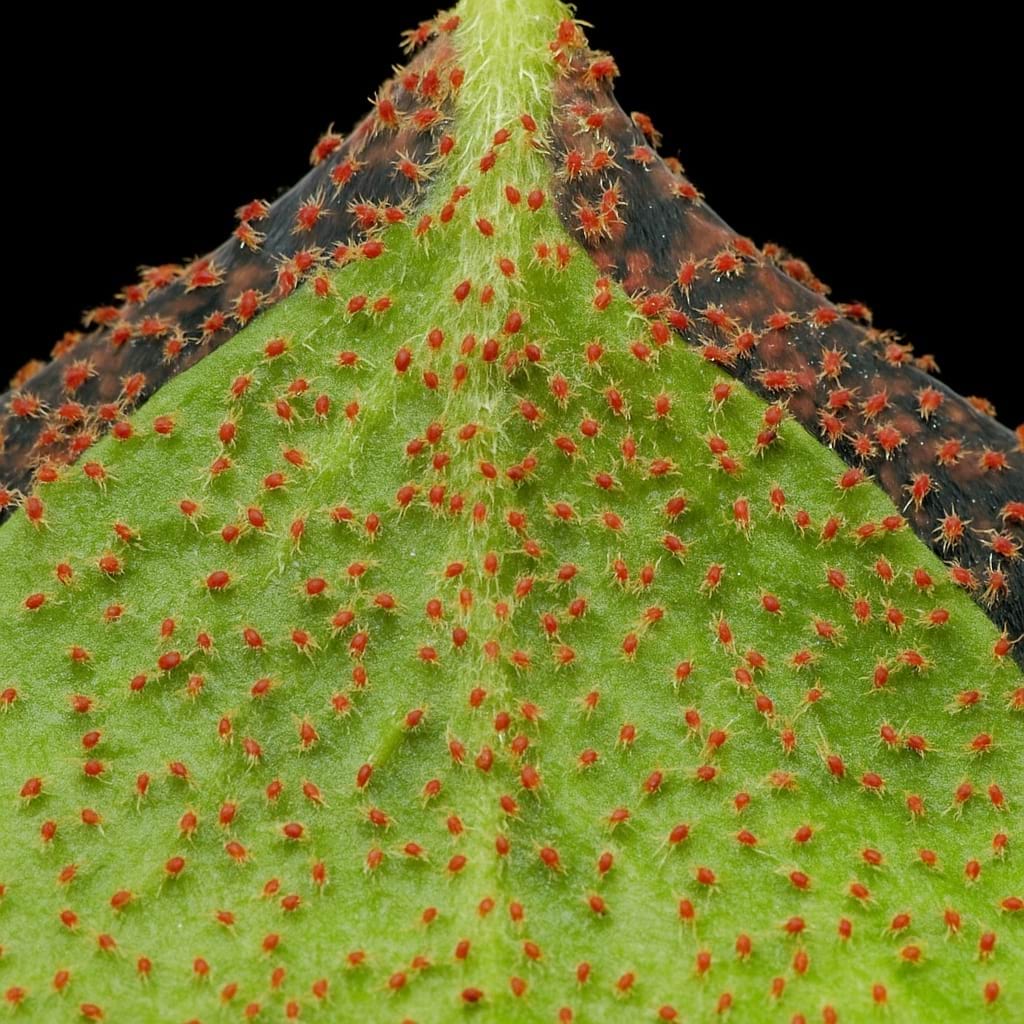
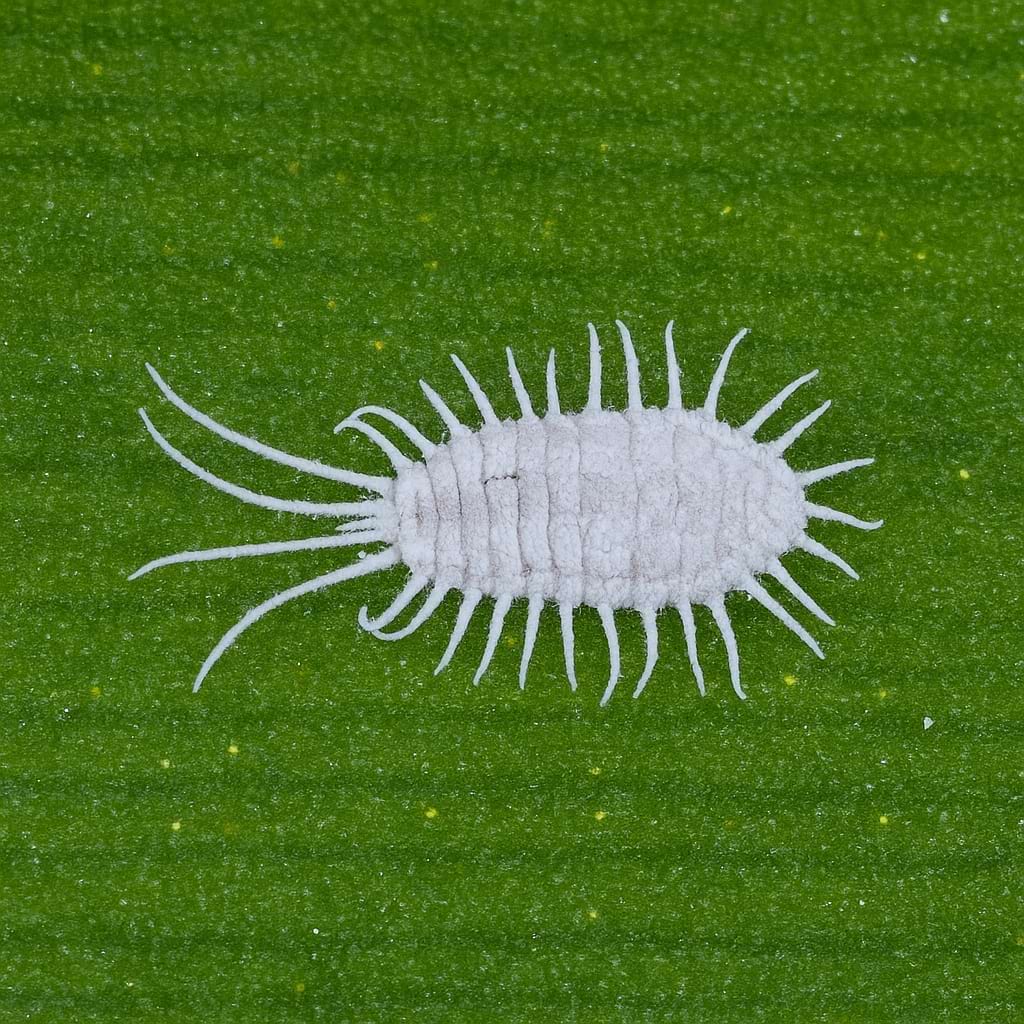
Boat Lily is not a pest magnet, but the usual indoor pests can show up, especially in dry air.
How to Spot Pests Early
Check the leaf axils, undersides, and crowded center.
- fine webbing and stippled leaves often mean spider mites
- cottony bits at the base suggest mealybugs
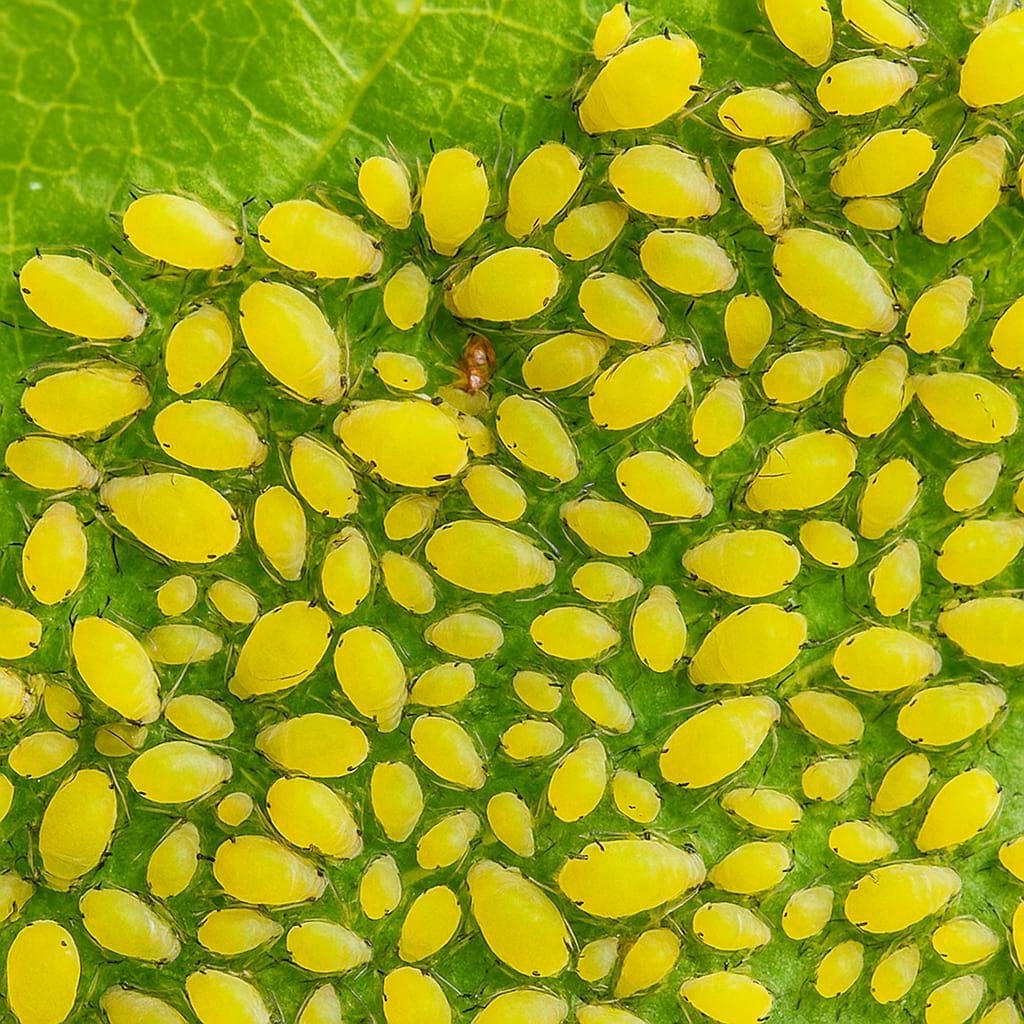
- sticky fresh growth can point to aphids
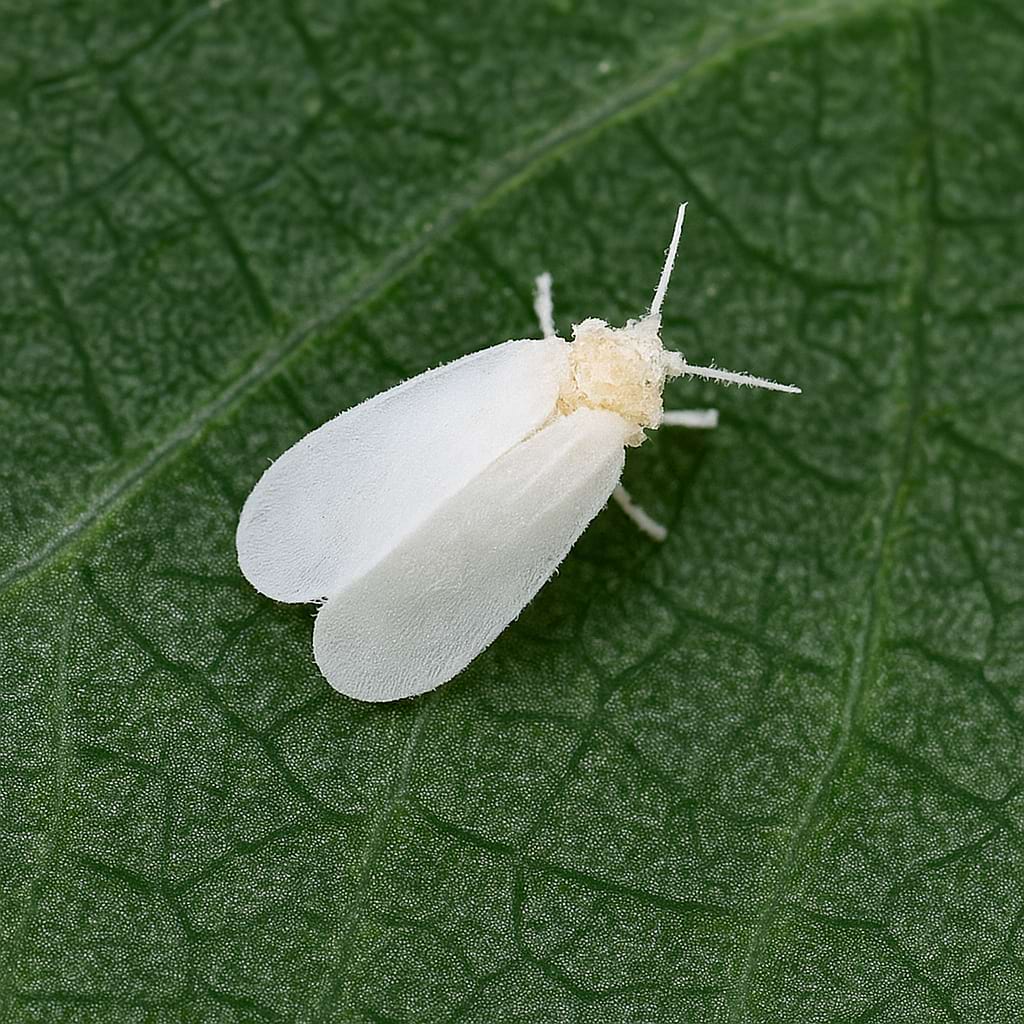
- little white fliers often mean whiteflies
Because leaves overlap tightly, small infestations stay hidden longer than on a looser plant.
How to Prevent and Treat
Keep the plant in good light, avoid chronic drought stress, and clean the leaves occasionally. If you find pests, isolate the plant, rinse what you can, and repeat insecticidal soap treatments until new growth is clean. Thinning a few offsets can help treatment by improving access and airflow.
🩺 Boat Lily Problems and Diseases
Yellow Leaves and a Soft Center
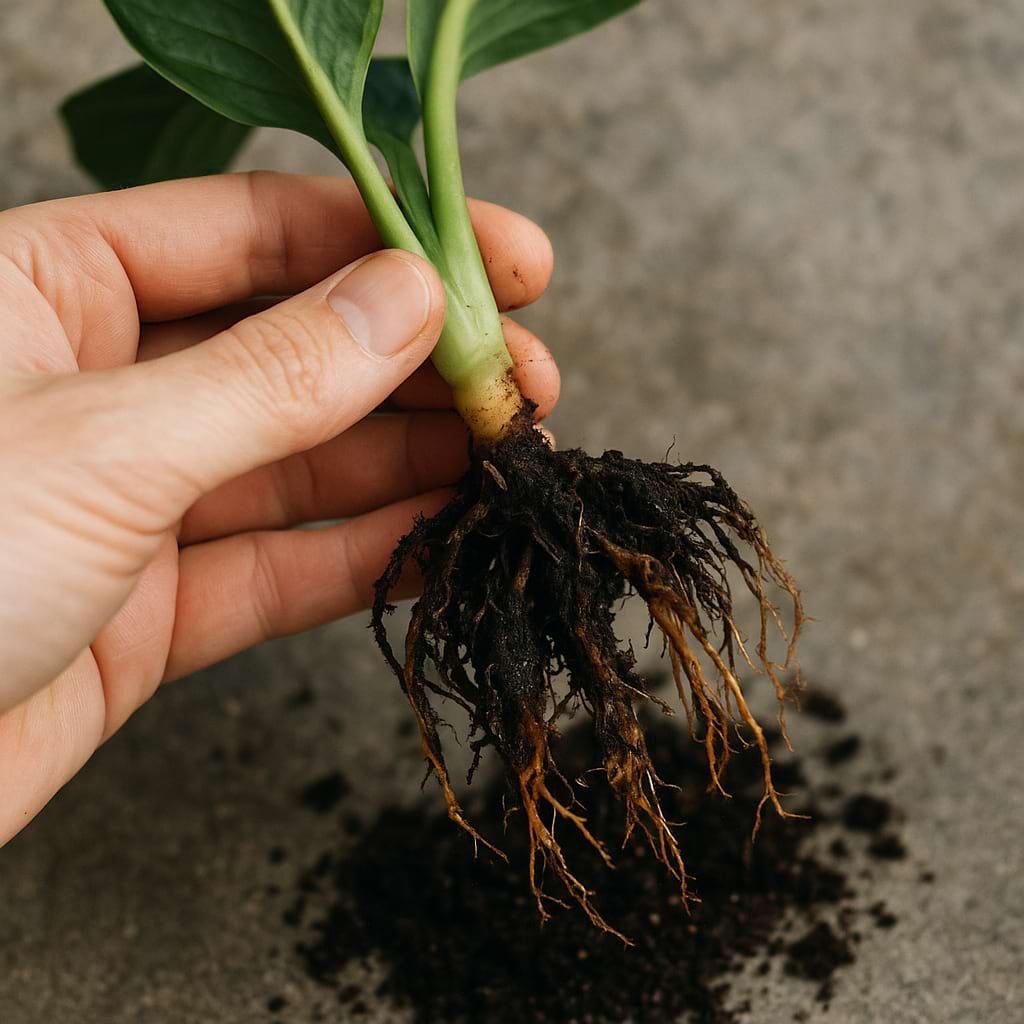
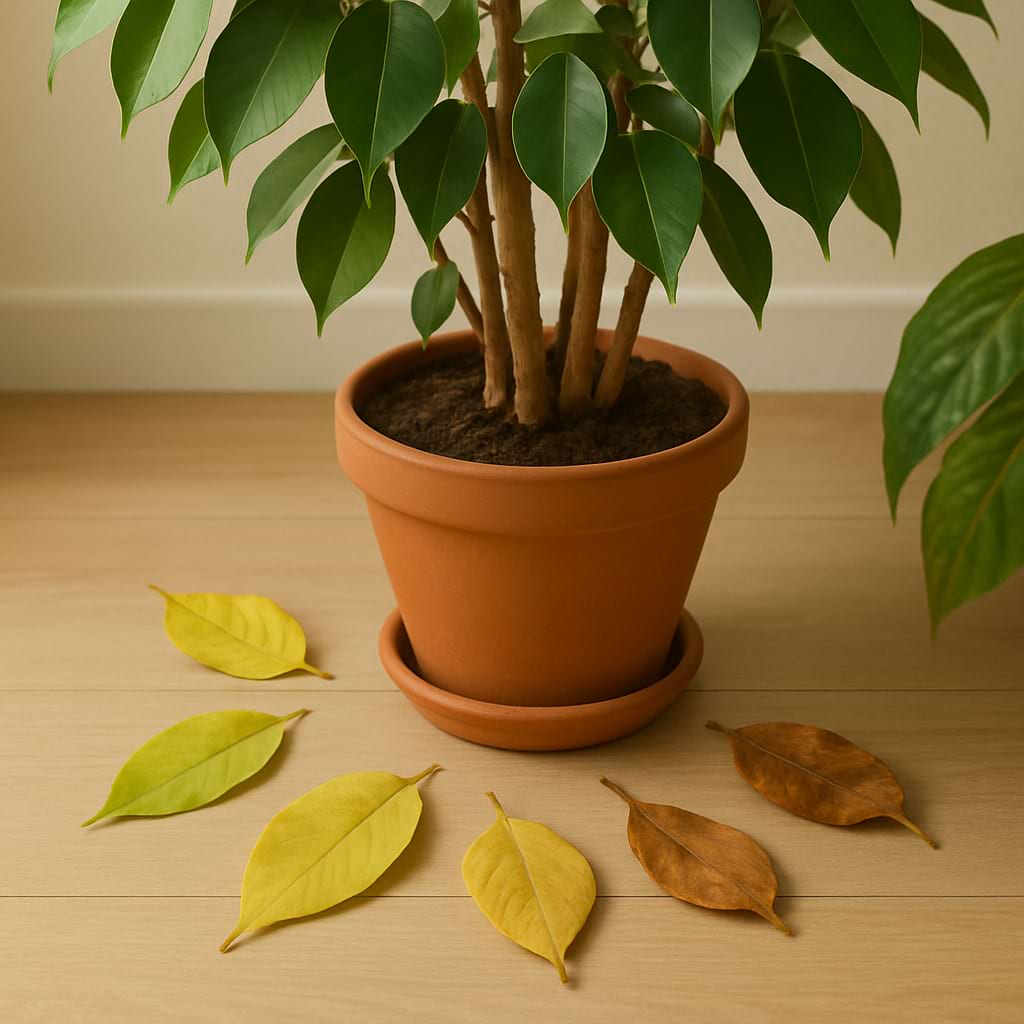
If Boat Lily is yellowing from the middle or leaf bases feel soft, think yellowing leaves crossing into root rot. Move quickly: stop watering, unpot, inspect roots and crown, remove mushy tissue, save any healthy offsets, and repot into fresh airy mix.
Floppy, Pale, or Falling Leaves
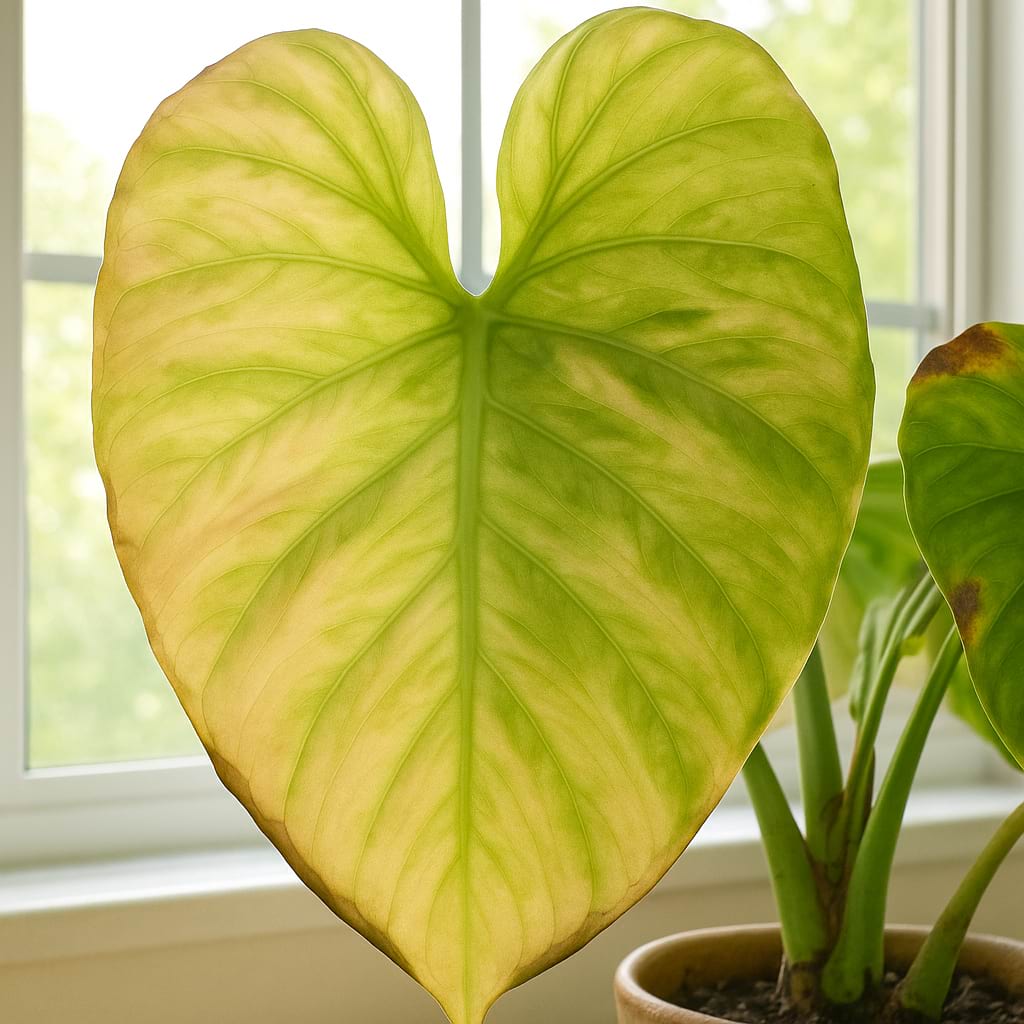
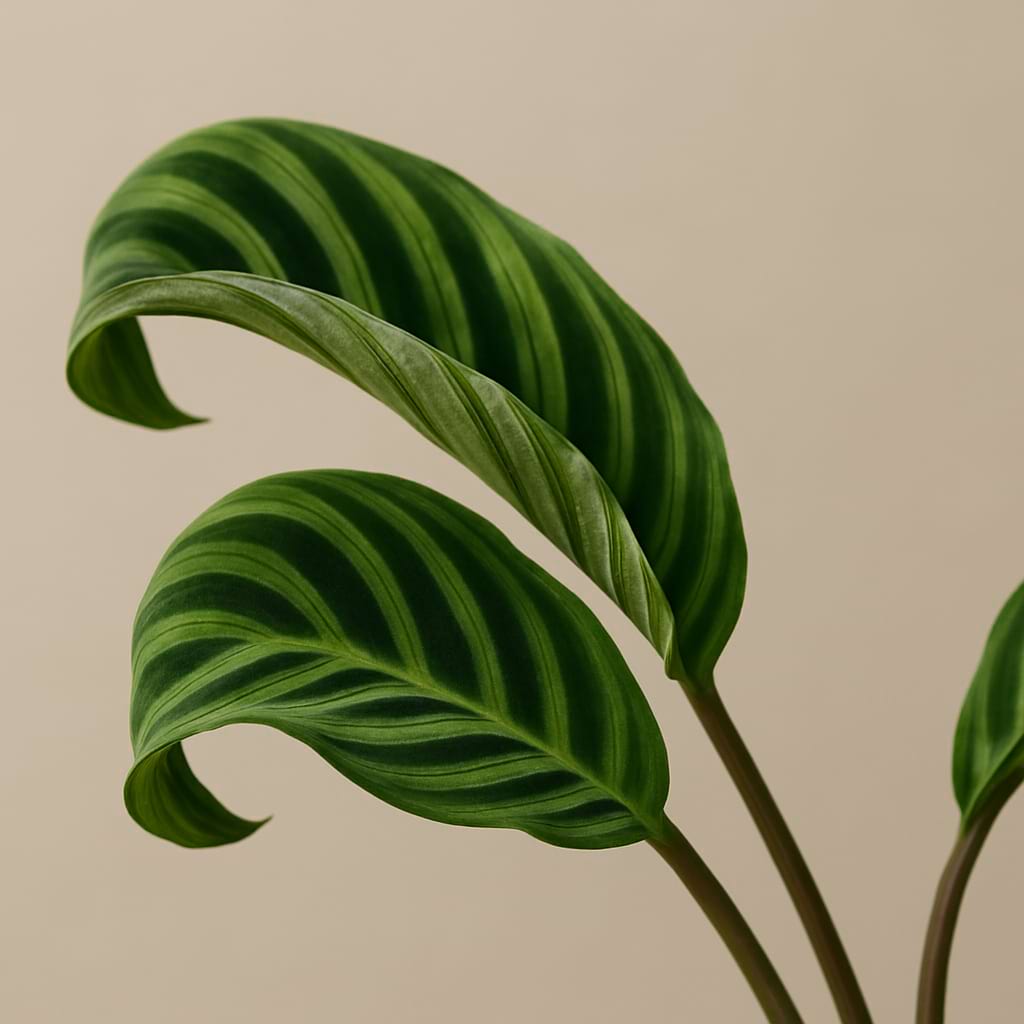
When the plant loses its tight stacked look but is not obviously rotting, the usual causes are low light, overcrowding, tired compacted soil, or chronic overwatering. This is where pale, faded leaves and leaf drop overlap. Increase light first, then look at soil.
Brown Tips and Leaf Edge Damage
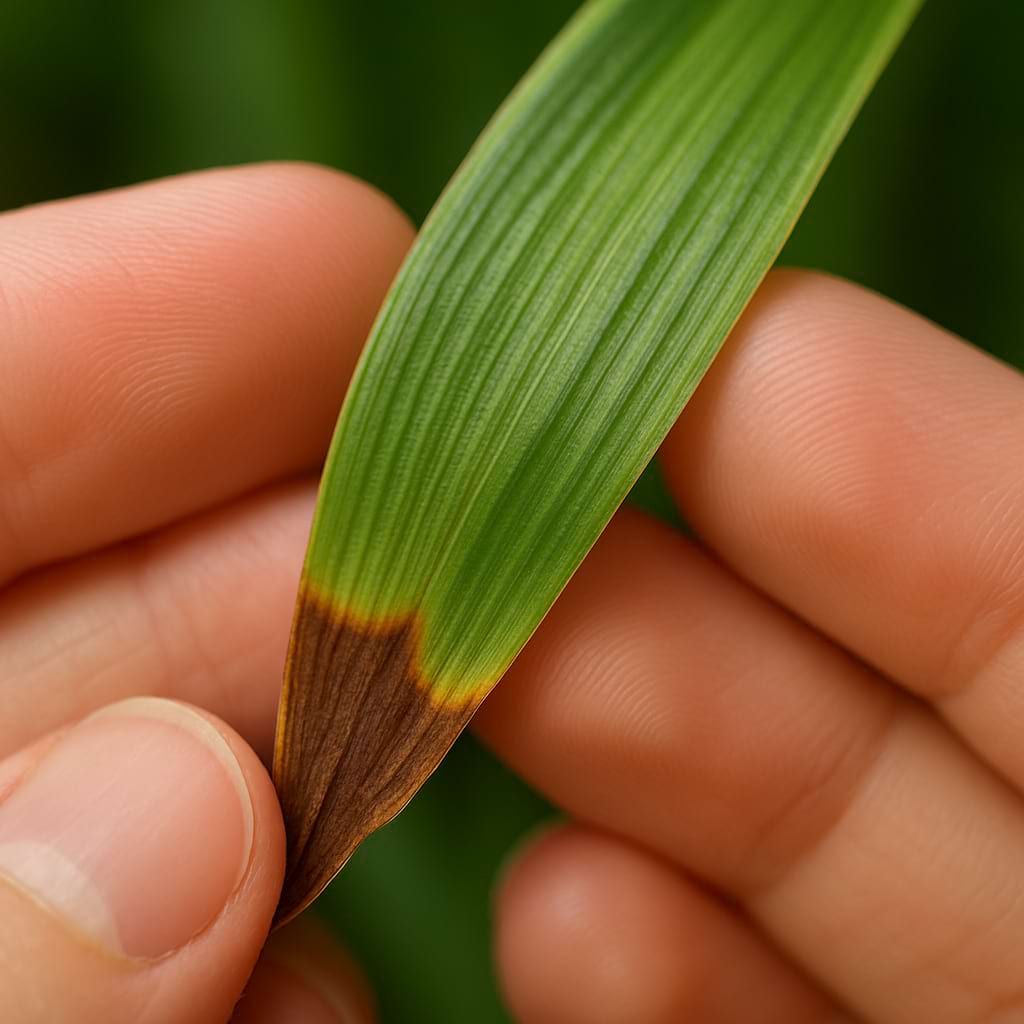
Brown tips usually come from environment: dry air, hard water or salt buildup, inconsistent watering, or too much direct sun on variegated forms. That is how brown crispy edges show up here. Flush the soil and tighten the routine.
Leaf Spot
Outdoor plants or plants kept too wet with poor airflow can develop spotting. Avoid placing it where irrigation soaks the crown daily. Water the soil, let the leaves dry, and do not let decaying old leaves pile up in the center.

🖼️ Boat Lily Display Ideas
Best Places to Display
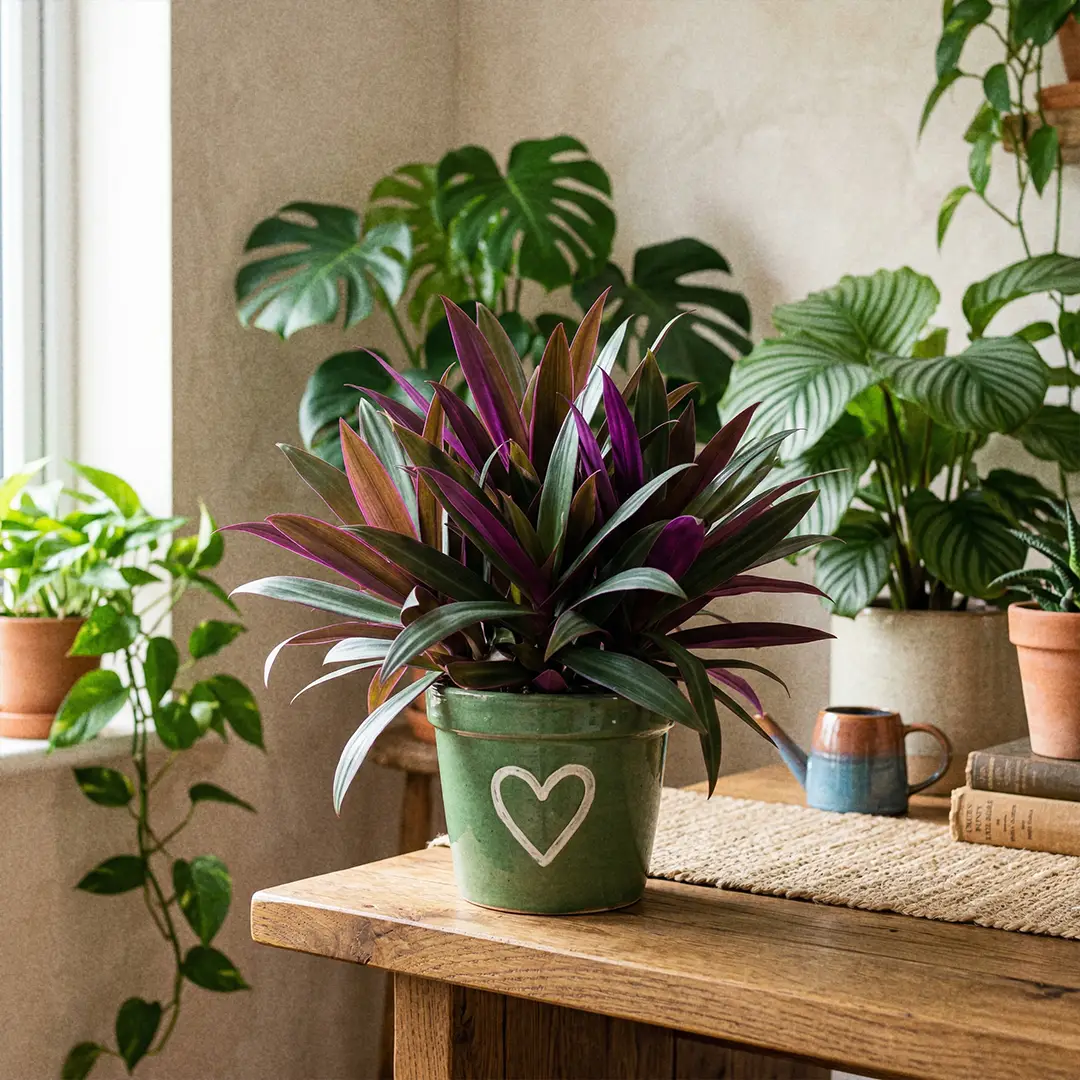
Boat Lily looks best where the side view matters. From above, it can read as just another green rosette. From the side, you see the stacked leaves and purple undersides. My favorites:
- a bright windowsill planter
- a shelf near an east or south window
- a tabletop in a bright room
- a shaded summer patio container
Pairing With Other Plants
It pairs well with softer or looser textures. I like it beside Turtle Vine, String of Hearts, or a more vertical plant like Ti Plant. It is also a useful contrast piece beside other rosette plants. A Walking Iris sits beautifully on the same bright windowsill, balancing the Boat Lily's dense rosette with its own architectural fan.
Outdoor Containers
Boat Lily works well in mixed patio containers and sheltered porch planters. The leaves stay crisp and architectural. In frost-free climates, container growing or controlled beds are the safer choice because it can spread in warm conditions.
👍 Boat Lily Care Tips (Pro Advice)
- Give it more light than you would give a Peace Lily.
- Let the top 1-2 inches dry instead of keeping the mix constantly damp.
- Use wide pots and airy soil, not deep heavy containers.
- Treat crowding as a repotting cue, not a sign to water more.
- Choose division over fancy propagation experiments.
- Thin and divide crowded clumps before the center turns stale.
- Wear gloves if your skin reacts to sap and keep the plant out of pet reach.
❓ Frequently Asked Questions
Is Boat Lily toxic to cats and dogs?
Yes, mildly toxic and irritating. The sap can bother the mouth, stomach, and skin of pets, so keep it out of chewing range.
Is Boat Lily the same as Moses in the Cradle or Oyster Plant?
Yes. All are common names for Tradescantia spathacea. Garden centers also use the older genus name Rhoeo.
How often should I water Boat Lily?
Water when the top 1-2 inches of soil are dry. In a bright room, every 7-10 days in spring and summer; winter may stretch to every 10-14 days.
Does Boat Lily bloom indoors?
Yes. Small white blooms tucked inside purple bracts appear regularly when the plant gets bright light and steady care.
Why is my Boat Lily getting floppy and pale?
Usually insufficient light, tired compacted soil, or roots staying too wet. Move it brighter, let the mix dry more between waterings, and repot if the clump is crowded.
What is the easiest way to propagate Boat Lily?
Division. Mature clumps produce offsets at the base, and each can be separated with some roots attached.
Why are the tips turning brown?
A mix of dry air, salt buildup, or inconsistent watering. Trim the dead tips, flush the soil occasionally, and steady the watering rhythm.
ℹ️ Boat Lily Info
Care and Maintenance
🪴 Soil Type and pH: Airy houseplant mix with perlite and bark or coarse sand
💧 Humidity and Misting: Average home humidity is fine, though 40-60% keeps leaf tips cleaner.
✂️ Pruning: Remove old lower leaves and spent flower bracts, and thin crowded offsets when the clump gets tight.
🧼 Cleaning: Wipe leaves gently and wear gloves if your skin reacts to sap.
🌱 Repotting: Every 1-2 years, or when offsets crowd the pot and airflow at the crown drops.
🔄 Repotting Frequency: Every 1-2 years
❄️ Seasonal Changes in Care: Grow steadily from spring through early fall, water less in winter, and divide crowded clumps in spring.
Growing Characteristics
💥 Growth Speed: Moderate
🔄 Life Cycle: Perennial
💥 Bloom Time: Can bloom through much of the year, especially in warm bright conditions
🌡️ Hardiness Zones: 9b-11 outdoors
🗺️ Native Area: Mexico and Central America
🚘 Hibernation: No true dormancy, but growth slows in cooler darker months
Propagation and Health
📍 Suitable Locations: Bright shelves, windowsill planters, desks, shaded patios, tropical mixed containers
🪴 Propagation Methods: Best propagated by division or by separating rooted offsets from the mother clump.
🐛 Common Pests: Spider Mites, Mealybugs, Aphids, Whiteflies
🦠 Possible Diseases: Root rot, fungal leaf spot, and occasional crown issues in stale wet conditions
Plant Details
🌿 Plant Type: Rosette-forming herbaceous perennial
🍃 Foliage Type: Evergreen
🎨 Color of Leaves: Green above, purple beneath; some cultivars add cream and pink striping
🌸 Flower Color: White flowers inside purple boat-shaped bracts
🌼 Blooming: Possible indoors, but foliage and bracts are the main show
🍽️ Edibility: Not edible; sap can irritate mouths and skin
📏 Mature Size: 8-18 inches
Additional Info
🌻 General Benefits: Architectural rosette habit, bold two-tone foliage, easy clump division, and strong tolerance for average indoor humidity
💊 Medical Properties: No established ornamental-use medical value
🧿 Feng Shui: Upright sword-like foliage is often associated with protective, grounding energy
⭐ Zodiac Sign Compatibility: Gemini
🌈 Symbolism or Folklore: Shelter, resilience, and quiet strength
📝 Interesting Facts: The common name Moses in the Cradle comes from the way the tiny white flowers sit inside folded purple bracts, almost like they are tucked into a little boat. Unlike the trailing Tradescantia people usually picture, Boat Lily grows as a stacked rosette and slowly builds a dense colony by producing offsets from the base.
Buying and Usage
🛒 What to Look for When Buying: Choose a plant with firm upright leaves, clean purple undersides, and several offsets starting at the base. Skip any pot with a collapsing center, mushy leaf bases, or a sour smell from constantly wet soil.
🪴 Other Uses: Useful as a patio accent, warm-climate edging plant, or strong foliage contrast in mixed tropical containers.
Decoration and Styling
🖼️ Display Ideas: Best displayed where the purple undersides and layered rosette shape can be seen from the side, not only from above.
🧵 Styling Tips: Boat Lily looks sharp in simple ceramics, warm wood settings, and mixed tropical groupings where its upright rosette breaks up softer trailing foliage.

Houseplant101 Forum
Questions & Comments
Ask a question, share your plant experience, or help other plant owners.
Comments are temporarily unavailable.
Open the Houseplant101 ForumNo comments yet
Be the first to ask a question or share your experience about this page.
Log in or create an account
Comments use your Houseplant101 Forum account, but you can stay on this page.
Create a new account